
REVIEW · EGYPT
From Marsa Alam: Private Day Trip to Luxor by Car
Ancient Egypt demands an early start. This private trip takes you from Marsa Alam to Luxor by air-conditioned car, with Karnak Temple and the Valley of the Kings packed into one long day. I like the door-to-door transport and the chance to have a private guide explain the monuments at your pace. The main drawback is the road time: expect more than five hours each way in some cases, with a day that can last close to 19 hours.
I also like that entrance fees, lunch, vehicle drinks, and a private English-speaking guide are included in the $375 price. Guides such as Aziz, Ragab, and Dia received especially strong praise for their clear explanations, patience, humor, and ability to adjust the pace. Just be ready for a physically demanding day that may begin around 2:15 or 2:55 in the morning.
Key points to know before booking
- A very long road day: The drive from Marsa Alam to Luxor can take over five hours each way, depending on the route, checkpoints, and hotel location.
- Four major ancient sites: You visit Karnak Temple, the Colossi of Memnon, three tombs in the Valley of the Kings, and the Temple of Hatshepsut.
- Private guiding makes a difference: Your guide can explain the carvings, statues, and royal tombs in detail, then give you time to look around independently.
- Lunch beside the Nile: A restaurant lunch is included, but drinks purchased at the restaurant are extra.
- Good transport support: The vehicle is air-conditioned, drinks are supplied during the drive, and blackout curtains help with the heat and early-morning sleep.
- Best for serious sightseers: This suits you if seeing Luxor matters more than having a relaxed holiday schedule.
Why this Marsa Alam to Luxor trip takes so long
The distance is the first fact to face. Marsa Alam is on Egypt’s Red Sea coast, while Luxor sits inland on the Nile. The route can involve a drive via Safaga, several checkpoints, and a second driver along the way. You may spend over five hours getting to Luxor and a similar amount returning.
Pickup is arranged from your accommodation, but the exact time depends on the hotel. Some departures have been around 2:15 or 2:55 in the morning, and the local partner sends the confirmed time at least one day before the trip. A delay of up to 10 minutes is possible.
That early start is not a minor detail. You will want to sleep in the car, so wear loose clothes and consider bringing a small travel pillow. One useful feature is the vehicle’s blackout curtains, which help block the sun while you rest. Drinks are provided in the car, and the air conditioning is important once the desert heat builds.
The private vehicle gives you more control than a large coach. You can travel with your own party, keep your bags to a minimum, and listen to your guide without a crowd around you. Still, private transport does not make the road shorter. If you dislike long drives, this may feel like too much effort for one day.
Large luggage and bags are not allowed, so bring only what you need for the day. Keep your passport or ID card, cash, sunglasses, comfortable shoes, and light clothing close at hand.
More Private Day Trips in Egypt
- Luxor: Abu Simbel Temple Private Guided Day Trip with Lunch
★ 4.6 · 546 reviews - Day-Trip to Alexandria from Cairo by Private Car
★ 4.5 · 480 reviews - Best Private Day Trip To Abu Simbel From Aswan
★ 4.5 · 235 reviews
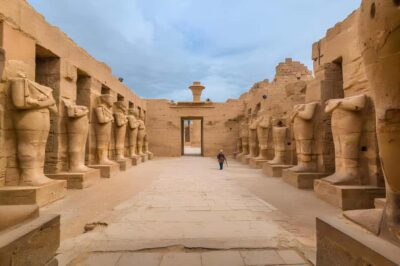
Karnak Temple and its forest of columns
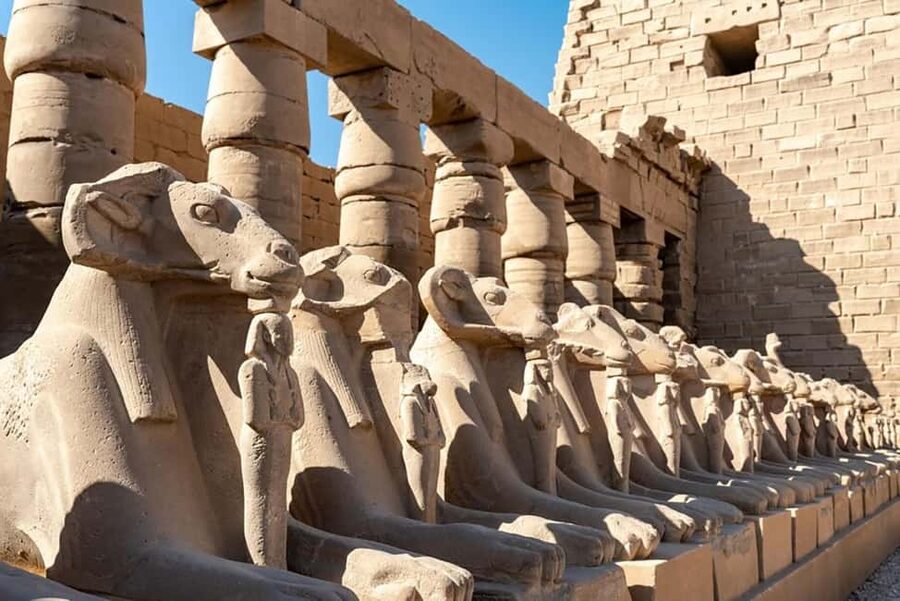
Karnak is the first major sight, and it is a powerful way to begin the Luxor portion of the day. The temple complex covers a large area, so you do not simply walk in, take a photograph, and leave. You move through broad courtyards, statues, sacred spaces, and long lines of columns while your guide explains how the site developed over many centuries.
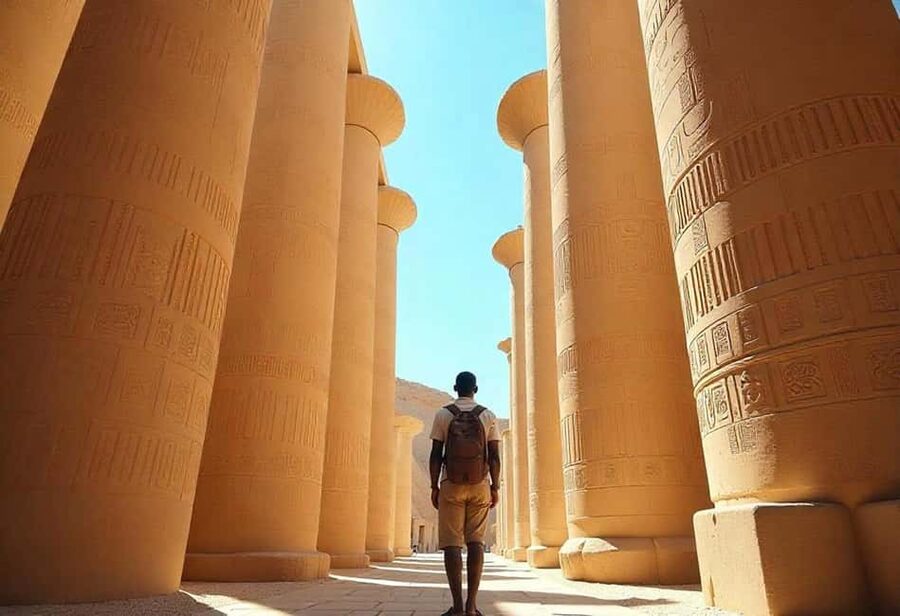
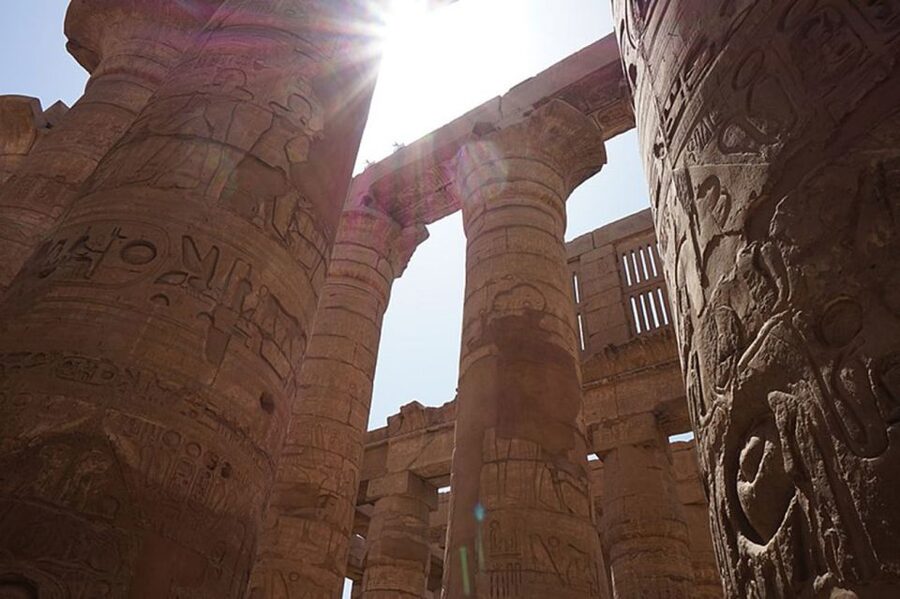
The most famous section is the Great Hypostyle Hall, with its enormous forest of columns. The hall is described as the largest room in any religious building in the world. Its scale is hard to grasp from a photograph. Look upward and across the rows rather than focusing only on individual carvings. The repeated columns create a strong sense of order and power.
This is where a good guide earns the cost of the trip. Aziz, Ragab, Dia, and other guides were praised for explaining the monuments in simple terms without rushing. A guide can point out the meaning of statues, explain the role of the temple, and place the rulers and building phases in the right order.
You also get some time after the explanation to look around alone. That matters at Karnak because the site can feel like too much information at once. A short pause lets you concentrate on details such as carved figures, damaged surfaces, and the sheer size of the hall.
Wear comfortable shoes. The complex involves walking over open ground, and you will still have several sites ahead of you. Sunglasses and cash are useful, especially during stops where you may want a drink or small personal purchase.
Lunch beside the Nile
After Karnak, the tour stops for lunch at a fine dining restaurant on the Nile. Lunch is included, which keeps the day simple and gives you a proper break between the east and west bank sights.
The setting is part of the appeal. After the hard stone and open desert around the monuments, sitting beside the river gives the day a change of pace. You can use this stop to eat, cool down, and prepare for the second half of the visit.
Restaurant drinks are not included, so carry some Egyptian cash if you want anything beyond the supplied meal. Drinks in the vehicle are included, but that does not cover purchases at lunch. A felucca ride is also not included, and it should not be treated as part of the standard program.
The Colossi of Memnon: a quick look at giant statues
The Colossi of Memnon are two statues of Pharaoh Amenhotep III, each about 60 feet tall. They are a shorter stop than the tombs and temples, but they provide a useful sense of scale before you continue into the Valley of the Kings.
The statues once marked the entrance to a much larger temple complex. Today, the surviving figures are the main attraction, so this stop is generally about seeing them, hearing the explanation, and taking photographs. Their size is most apparent when you stand close and compare the human figures around them.
Do not expect a long indoor visit here. The value is in the quick encounter and the context your guide adds. It also gives you a chance to stretch your legs after lunch and the drive.
Same base, a completely different day out:
- Luxor Day Trip from Hurghada Small Group & Tutankhamun Tomb
★ 4.8 · 5,366 reviews - From Aswan: Abu Simbel Temple Day Trip with Hotel Pickup
★ 4.4 · 2,807 reviews - Hurghada: Full-Day Trip to Cairo by Plane
★ 4.5 · 2,415 reviews - Hurghada: Cairo Pyramids, Sphinx & Egyptian Museum Day Trip
★ 4.7 · 2,271 reviews
Three tombs in the Valley of the Kings
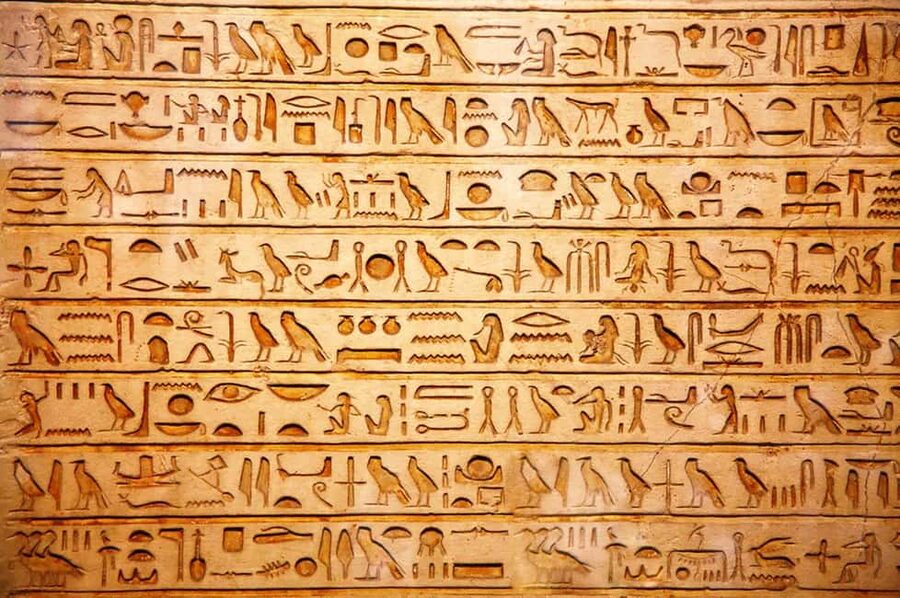
The Valley of the Kings is the emotional center of the day for many people. Instead of monumental temples spread across open ground, you enter tombs cut into the surrounding mountains. The setting feels stark and practical, with the royal burial chambers hidden away from the Nile valley.
Three tombs are included. Your guide explains the purpose of the tombs and helps you understand the painted scenes, symbols, and burial beliefs inside. The interiors can be narrow, warm, and physically tiring, so take your time and keep your expectations realistic.
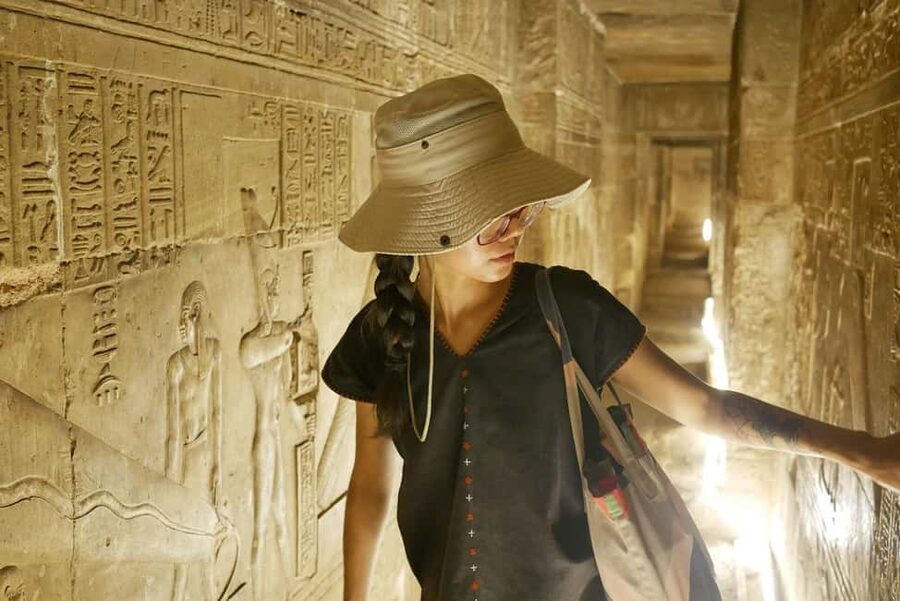
The walls are the real reason to come. Painted figures and symbols cover sections of the passageways and chambers, offering a closer look at ancient Egyptian beliefs than the huge outdoor temples do. The scale is more intimate, but the experience can be more demanding because of the enclosed spaces and walking.
One important cost detail: an additional visit to Tutankhamun’s tomb may be available for an extra fee. It is not part of the included entrance fees listed for the main program. If that tomb matters to you, ask the guide about the current supplement before entering the valley.
The three included tombs already provide a solid introduction. You do not need to add Tutankhamun’s tomb to make the visit worthwhile, but people with a special interest in the young pharaoh may consider the extra expense worth it.
Hatshepsut’s Temple beneath the sandstone cliffs
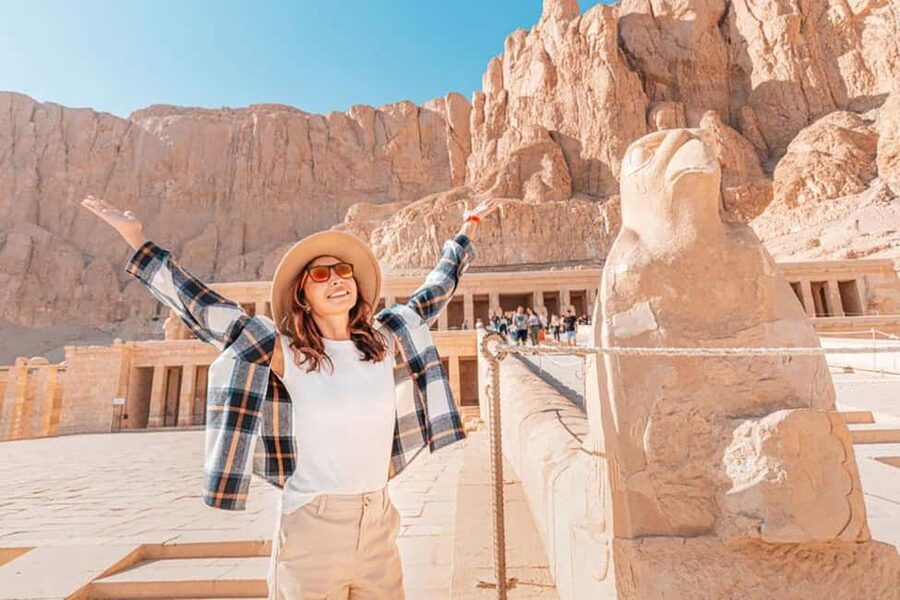
The Temple of Hatshepsut is a striking change from the underground tombs. It rises in terraces against pale sandstone cliffs, with long levels and broad stone surfaces leading the eye upward.
Hatshepsut was one of ancient Egypt’s most notable female rulers, and the guide’s explanation helps make sense of the site beyond its attractive photographs. This is a place where the political story matters as much as the architecture. Ask your guide about Hatshepsut’s rule and the way her monument presents royal authority.
The temple is exposed, so this is another stop where sunglasses, comfortable clothing, and water matter. The supplied vehicle drinks help, but carry cash if you want additional refreshments. Try not to rush your photographs. The cliffs, terraces, and open desert create some of the clearest views of the day.
The site also comes late in a tiring schedule. Your guide can adjust the pace, and this flexibility was a major strength for families and mixed-age groups. If you are traveling with children, the day is possible, but plan for fatigue. Clean restroom stops have been available along the route, including a stop associated with Cleopatra, though the long driving time remains the main challenge.
The private guide is the real value
At $375 per person, this is not a cheap day trip. The price makes more sense when you add up what is included: private roundtrip transport, an air-conditioned vehicle, drinks during the drive, a private English-speaking guide, entrance fees to the listed sights, and lunch.
A private guide also changes the feel of the visit. Aziz was praised for his patience and ability to adapt the pace. Ragab was repeatedly valued for detailed explanations, professionalism, and care. Dia was described as making ancient Egypt clear and entertaining. Guide quality can vary from person to person, but the strongest reports point to the guide as the part that turns a string of ruins into a connected story.
You also avoid joining a large group. That can mean reaching the attractions before the biggest tourist buses, as one experience described it. More importantly, you can ask questions, stop for photographs, and take a breather without waiting for a whole coach.
The drivers deserve attention too. The long road makes safe, steady driving important, and the drivers were praised for handling the transfers well. One practical limitation is that the Luxor guide joins the tour in Luxor rather than necessarily riding with you from Marsa Alam. A second driver may take part during the journey, and not every driver speaks English.
Is this suitable for families?
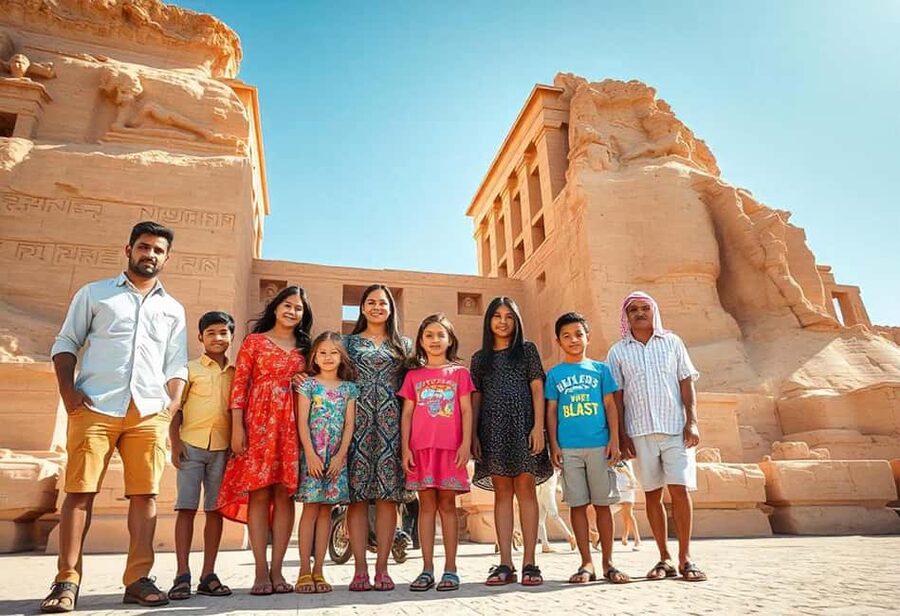
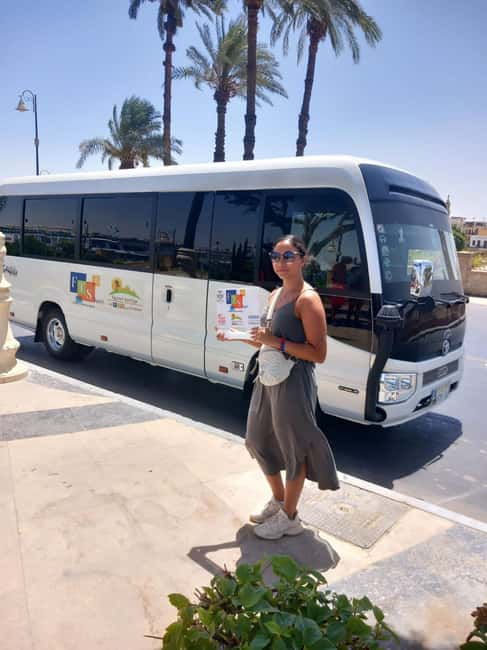
The trip can work with children, especially because the vehicle is private and the guide can adjust the pace. Stops with restroom facilities and a dedicated car make it easier than a large group tour.
The age of your children and their tolerance for a long night drive matter a great deal. A family with children nearly four and six managed the day, but the total time on the road reached about 19 hours. That is a serious stretch for anyone, especially after walking around temples and tombs.
Bring familiar snacks if your children need them, but remember that large bags are not allowed. Keep the essentials small and easy to reach. A pillow could help children sleep during the early drive, since the vehicle is comfortable but not designed as a sleeper.
What the $375 price really buys you
The strongest value comes from combining several expensive or inconvenient pieces into one private day. You do not have to arrange a separate driver, find a guide in Luxor, purchase site tickets on your own, or organize lunch.
The price is easier to justify if Luxor is a major priority during your Egypt holiday. Four major sites in one day would be difficult to arrange independently from Marsa Alam, especially with the checkpoints and long route.
It is harder to justify if you want a restful beach break. The road time can exceed the estimates suggested by map apps, and the journey may feel longer than expected. You are paying for access and convenience, not for a leisurely schedule.
The included lunch and vehicle drinks help, but budget extra for restaurant drinks, personal expenses, and any optional felucca ride or Tutankhamun tomb visit. The tour accepts reserve-now, pay-later booking, and cancellation up to 24 hours before departure for a full refund, which gives you some flexibility if your plans change.
Should you book this Luxor day trip?
Book it if you want to see Luxor from Marsa Alam without arranging the transport yourself, and if you accept that the day will be long, early, and physically demanding. The private car, included admissions, lunch, and strong guide reports make it a practical choice for a once-only visit.
Think twice if you need a relaxed holiday rhythm or if long drives leave you miserable. In that case, staying overnight in Luxor would be less exhausting, but that is not the format offered here.
For most determined sightseers, I would book this trip only after confirming the pickup time and accepting the five-plus-hour drive. Once that is clear, the itinerary gives you a serious look at Karnak, royal tombs, Hatshepsut, and the Colossi of Memnon in one concentrated day.
FAQ
Where does the tour depart from?
The tour includes pickup from your accommodation in Marsa Alam and roundtrip transport to Luxor.
How long is the drive from Marsa Alam to Luxor?
The drive can take over five hours each way. The route may include travel via Safaga and several checkpoints, so the total day can approach 19 hours.
What time does pickup take place?
Pickup time depends on your hotel. Some departures have been around 2:15 or 2:55 in the morning. You receive the exact time at least one day before the trip, and a delay of up to 10 minutes may occur.
Which sights are included?
The standard program includes Karnak Temple, the Colossi of Memnon, three tombs in the Valley of the Kings, and the Temple of Hatshepsut.
Is lunch included?
Yes. Lunch at a restaurant beside the Nile is included. Drinks purchased at the restaurant are not included.
Is Tutankhamun’s tomb included?
No. A visit to Tutankhamun’s tomb may be available for an additional fee. Ask about the supplement before entering the Valley of the Kings.
What should I bring?
Bring your passport or ID card, comfortable shoes, sunglasses, comfortable clothing, and cash. Large bags and luggage are not allowed.
More 1-Day Tours in Egypt
- Hurghada: Orange Bay Day Trip with Water Sports and Lunch
★ 4.9 · 1,746 reviews - From Cairo Alexandria Catacombs, Citadel Day Trip with Lunch
★ 4.6 · 1,312 reviews - 1-day trip to Cairo with flight from Hurghada / Makadi Bay / Soma Bay / El Gouna
★ 5.0 · 1,193 reviews - From Hurghada: Full-Day Trip to Cairo by Plane
★ 4.5 · 1,186 reviews
Just added around Egypt
- Hurghada:Eden Island Full-Day Trip with Water sports & Lunch★ 4.8 · 65 reviews
- Hurghada: Full-Day Trip to Cairo by Plane★ 4.1 · 513 reviews
- Hurghada: Giza Pyramids, Sphinx, Museum & Old Souq Day Trip★ 4.5 · 152 reviews
- Hurghada: Eden Island Day Trip with Water Sports and Lunch★ 4.8 · 69 reviews
- From Luxor: Day Trip to Dendera & Abydos Temples with Guide★ 4.3 · 22 reviews
- From Hurghada: Full-Day Trip to Cairo by Plane★ 4.2 · 37 reviews
- From Hurghada: Grand Egyptian Museum Pyramids Cairo Day Trip★ 4.2 · 187 reviews
- From Hurghada: 2-Day Trip to Cairo by Plane★ 3.8 · 22 reviews
Day Trips from Egypt, compared.
Luxor Day Trip from Hurghada Small Group & Tutankhamun Tomb
Read our review →
Cairo Pyramids, Sphinx & Egyptian Museum Day Trip
Read our review →
Orange Bay Day Trip with Water Sports and Lunch
Read our review →
From Cairo Alexandria Catacombs, Citadel Day Trip with Lunch
Read our review →
1-day trip to Cairo with flight from Hurghada / Makadi Bay / Soma Bay / El Gouna
Read our review →
Browse the lists this tour appears in