
REVIEW · ITALY
The Nuraghe Tour: Day Trip from Cagliari
Bronze Age towers, quiet hills, and no crowds. I like the small group of six or fewer, which gives you room to ask questions and explore without feeling rushed. I also like the guide’s focus on both Nuragic culture and modern Sardinia, including useful advice about places to eat and things to see around Cagliari. The main consideration is the four-hour schedule, which leaves little time for extra stops.
The tour travels from Cagliari into the Trexenta countryside and the municipality of Suelli. There, you visit Nuraghe Piscu, a 3,500-year-old complex with a central tower, courtyard, well, and outer defensive wall. The site is peaceful and atmospheric, but you should bring comfortable shoes and clothing because the visit takes place on a hill and includes time outdoors.
Guides Claudia, Genna, and Barbara have earned especially strong praise for their passion, clear explanations, and friendly approach. The experience has a 4.9 rating from 38 bookings, and the transport has received a perfect score from all recorded ratings.
Key points at a glance
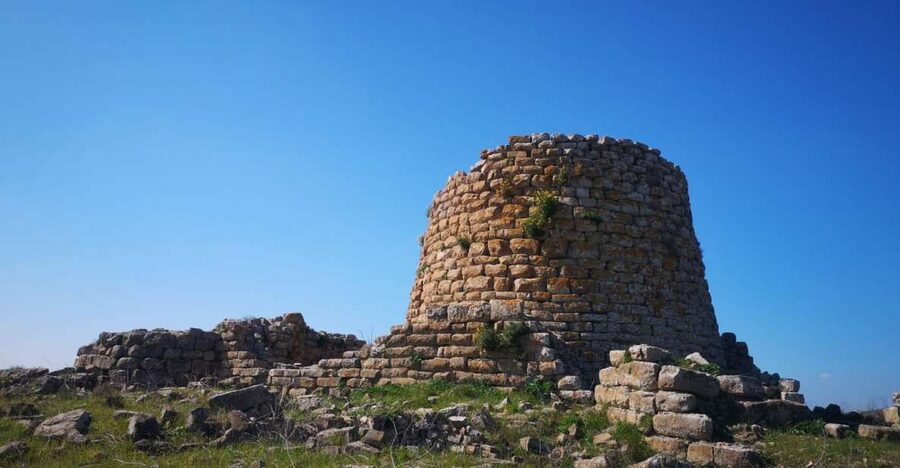
- Nuraghe Piscu is a three-lobed Bronze Age complex: You see a central tower that once reached about 10 meters, along with a courtyard, well, and turreted outer wall.
- The tour starts and ends in Cagliari: Meet at Viale La Plaia, 1, in front of the ENI Gas Station, then travel into the Trexenta countryside.
- You get inside the nuraghe: This is not only a roadside viewing stop. The visit takes you into the ancient structure and its surrounding remains.
- The group is limited to six people: That makes it easier to hear the guide and ask detailed questions about Nuragic life and engineering.
- The countryside is part of the experience: You get broad views from the hill, plus the chance to see fields, wild herbs, and flowers during the drive and visit.
- The price is $100 per person: Food and drinks are not included, but the fee covers the guide, transport, and a 2.5-hour guided visit.
Why Nuraghe Piscu makes a good Cagliari day trip
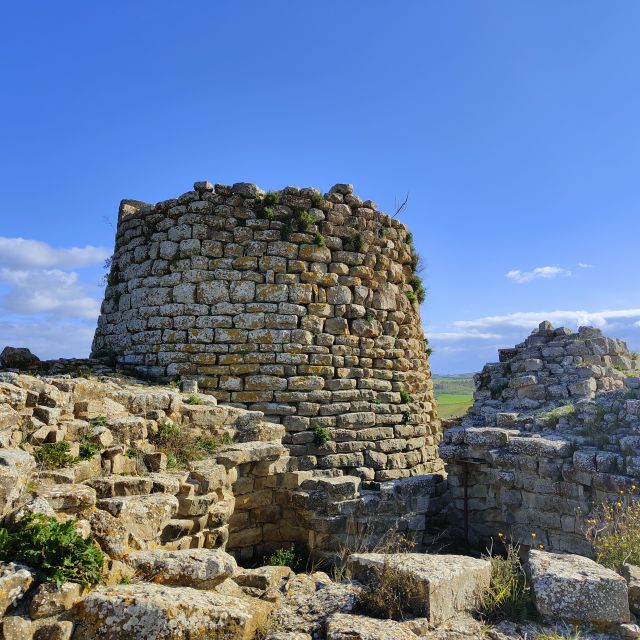
Cagliari gives you sea views, Roman and medieval remains, and plenty of urban life. Nuraghe Piscu offers a very different view of Sardinia. Instead of seeing the island through its later Roman, Spanish, or Italian chapters, you spend time with the Nuragic civilization, a prehistoric culture known for its distinctive stone towers.
That change of setting matters. The site sits in the heart of Trexenta, in the municipality of Suelli, away from the main city streets. You trade traffic and apartment blocks for open countryside, a hilltop position, and a quiet archaeological site. For me, that makes the trip feel like a real change of pace rather than another stop inside Cagliari.
The central question of the visit is simple: who built these towers, and how did they use them? The guide helps you think through the remains instead of simply pointing out old stones. You learn about the structure, the settlement, the people who lived there, and the strategic reason for choosing this position.
Nuraghe Piscu was part of a village that housed around 100 people. That detail helps you picture the place as more than a single tower. You are looking at the remains of a small community, with a central building, working areas, water access, and a surrounding defensive structure.
A few more day trips from Italy worth a look
- Tuscany Day Trip from Florence: Siena, San Gimignano, Pisa and Lunch at a Winery
★ 5.0 · 21,634 reviews - Florence: Pisa, Siena and San Gimignano Day Trip with Lunch
★ 4.6 · 9,771 reviews - Cinque Terre Day Trip with Optional Hiking or Pisa
★ 5.0 · 8,486 reviews
Meeting in Cagliari and heading toward Trexenta
The meeting point is Viale La Plaia, 1, in front of the ENI Gas Station. This is also where you return at the end, keeping the day simple and easy to plan around.
The tour lasts four hours in total. The drive takes you from Cagliari toward Trexenta and Suelli, while the main visit at Nuraghe Piscu lasts about 2.5 hours. The remaining time covers transport and the start and end of the visit.
Transport is one of the strongest parts of the arrangement. The available information describes it as comfortable, and the transport rating is perfect across the recorded feedback. That matters because the site is outside Cagliari, and arranging your own route would add effort to what is meant to be a half-day outing.
The trip is offered in Italian and English. If you do not speak Italian, English-language guiding is available. Claudia received repeated praise for explaining complex subjects clearly and for answering questions in a friendly way. Genna was also described as well prepared and attentive, while Barbara was praised for driving and helping make the transfer comfortable.
You should allow a little flexibility around the meeting point. It is specified clearly, but the tour begins from a public roadside location rather than a hotel lobby. Have the address ready on your phone and arrive prepared to identify the ENI station.
Entering a 3,500-year-old Nuragic complex
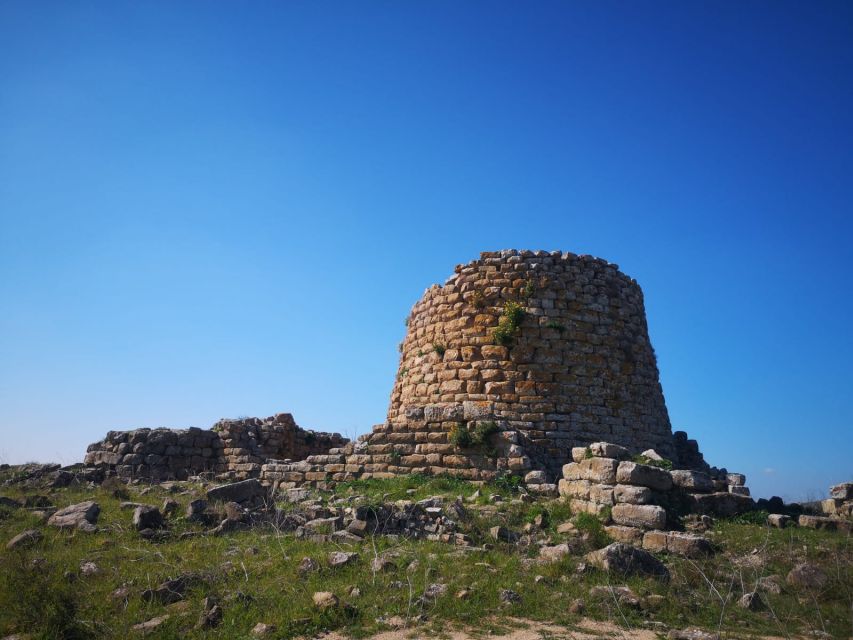
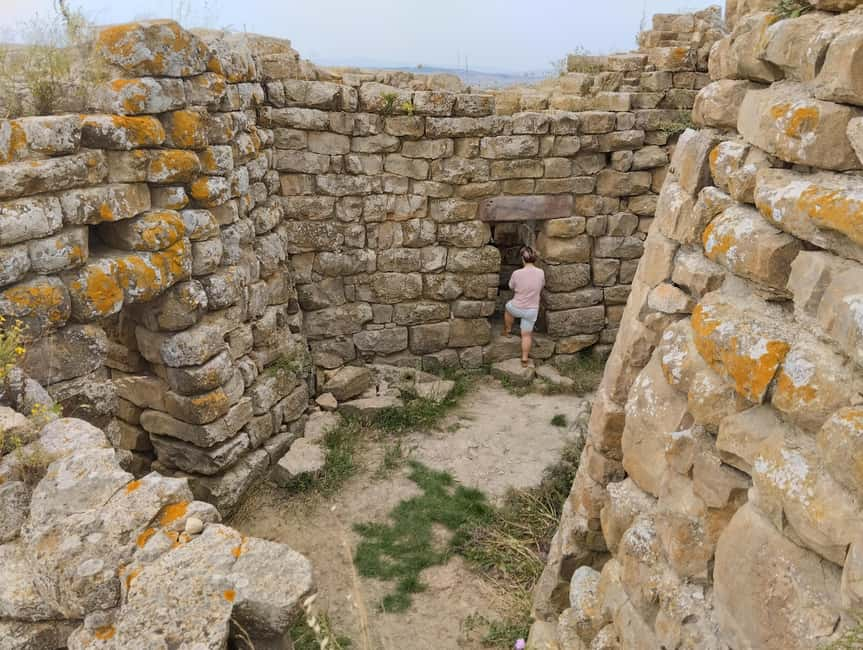
The main visit begins when you reach the hilltop setting of Nuraghe Piscu. Its position gives you wide views over the surrounding countryside, so the setting is not an afterthought. The ancient builders selected a place with strategic value, and you can still understand why the location mattered.
The complex is described as a three-lobed nuraghe. Its central tower once reached 10 meters, a striking achievement for Bronze Age builders working without modern machinery. The guide explains the engineering and construction in practical terms, helping you notice how the structure was planned rather than treating it as a mysterious pile of stones.
You also see the courtyard, the well, and the turreted antemurale, an outer defensive wall that surrounds the main structure. Each feature adds another piece to the story. The tower suggests authority and protection. The courtyard points to shared activity. The well shows the importance of managing water. The antemurale gives you a sense of how the site was organized and defended.
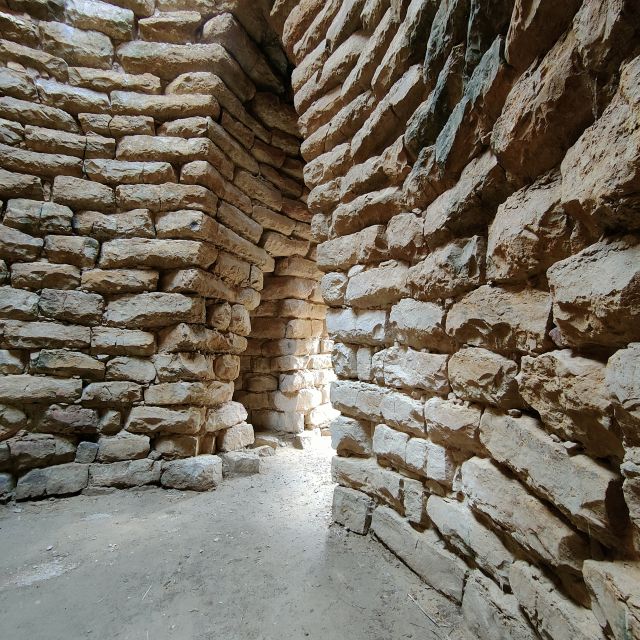
The experience includes going inside the nuraghe. That changes the visit. From the outside, the tower can seem like an impressive but distant monument. Inside, you get a better sense of its scale, thick stone construction, and enclosed spaces.
The terrain is not described as difficult, but you should wear shoes that are comfortable for walking outdoors. Comfortable clothing is also advised. A hilltop archaeological site is not the place for stiff city shoes or clothing that limits movement.
Meeting the people behind the stones
The guide does more than explain dates and architectural terms. You learn about the population connected with the village, which was home to around 100 inhabitants. That human scale is useful because it helps you imagine daily life within the complex.
A settlement of that size needed water, shelter, food, work areas, and protection. The courtyard and well become easier to understand when you think about them as parts of an active community. The guide also discusses the development and possible uses of the nuraghe, giving you a clearer sense of how the structure fitted into Nuragic society.
The Nuragic civilization remains mysterious in many ways. That uncertainty is part of the appeal, but it can also make a site difficult to understand on your own. Without context, you may see towers and walls without knowing what is certain, what is debated, and what archaeologists have inferred.
A good guide can make that uncertainty useful rather than frustrating. Claudia was praised for her detailed explanations, enthusiasm, and ability to connect the site with Sardinia as a whole. Several comments also point to her travel tips, including suggestions about food and places to visit in the Cagliari area.
This personal touch is especially valuable in a small group. With no more than six participants, you have a better chance of asking about a particular stone feature, a technical detail, or the relationship between the nuraghe and the wider island. You are not simply following a large crowd from one point to the next.
Same base, a completely different day out:
- From Naples: Sorrento, Positano & Amalfi Coast – Small Group Tour
★ 5.0 · 8,643 reviews - From Rome: Pompeii, Amalfi Coast, and Sorrento Day Trip
★ 4.6 · 7,031 reviews - From Rome: Pompeii, Amalfi Coast and Positano Day Trip
★ 4.6 · 6,620 reviews - From Milan: Como Private Boat, Bellagio and Lugano Day Trip
★ 4.8 · 6,271 reviews
The Trexenta countryside beyond the ruins
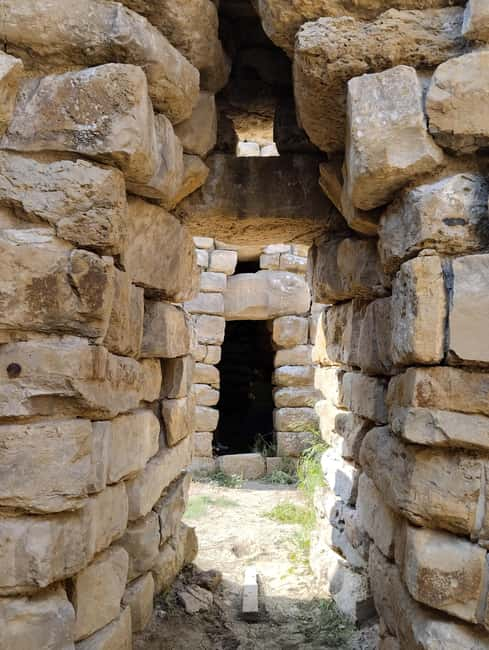
The countryside adds quiet pleasure to the trip. The route leads away from Cagliari and into an area where fields, hills, herbs, and flowers form part of the view. In spring, the setting can be especially appealing, with wild herbs and flowers noted as part of the experience.
The hilltop position also gives you panoramic views. These are not just pleasant photo opportunities. They help explain the practical side of the site. A raised position provided visibility and made the complex easier to defend, while also connecting it to the surrounding territory.
I would not book this trip only for dramatic scenery. The main reason to go is the archaeology and the guide’s interpretation. Still, the countryside keeps the visit from feeling like a narrow history lesson. You get a short outing into rural Sardinia, with time to look around and enjoy the setting.
The four-hour length is a useful balance. You get enough time for a proper guided visit, but you do not lose an entire day if you have other plans in Cagliari. The tradeoff is that the schedule does not appear to include a meal, museum visit, or a series of additional archaeological sites.
How the $100 price works for you
At $100 per person, this is not the cheapest way to spend four hours in Sardinia. The price makes more sense if you value a small group, guided interpretation, and transport from Cagliari.
The fee includes the tour guide and the transfer to and from Nuraghe Piscu. It does not include food or drinks, so you should eat before setting out or plan a meal after returning to Cagliari. No food stop is listed as part of the schedule.
The value comes from access and explanation. You could potentially reach an archaeological site independently, but you would need to manage the route and then make sense of the remains on your own. Here, the guide fills in the architectural and cultural context, while the transport removes much of the practical work.
The small group also supports the price. A six-person limit allows the guide to adjust the pace, explain details, and check that you are following the story. Feedback specifically praises the intimate feel, detailed presentation, and comfortable transfer.
I would see this as a worthwhile splurge for someone with a strong interest in archaeology or Sardinian culture. If you mainly want a relaxed scenic drive and a quick photo stop, the cost may feel high for a half-day outing.
Which visitors will enjoy it most
This tour suits you if you want to understand Sardinia beyond its beaches and city centers. It is a good choice for anyone interested in ancient engineering, archaeology, local culture, and the unanswered questions around the Nuragic civilization.
It also works well for couples and solo visitors who prefer a small, conversational group. The limited size gives the experience a more personal feel, and the guides have been praised for checking in with participants and making space for questions.
You should also consider it if you want practical help during your time in Cagliari. Claudia has shared food suggestions and other local tips during the outing, adding value beyond the ruins themselves.
I would hesitate to recommend it if you need a full-day program with several major sights, a included meal, or a long list of scheduled stops. This is a focused visit to one archaeological complex. Its strength is attention, not quantity.
Families and older visitors should consider their own comfort with outdoor walking and uneven archaeological ground. The instructions only specify comfortable shoes and clothing, so you should not assume a fully paved site or indoor museum-style visit.
What to bring and how to plan the day
Wear comfortable shoes and clothing. That is the clearest practical advice, and it matters because Nuraghe Piscu sits on a hill and the visit takes place around ancient stone structures.
Bring water for your own comfort, since food and drinks are not included. The tour information does not specify that refreshments are supplied, so plan accordingly.
Give yourself enough time to reach Viale La Plaia, 1, in front of the ENI Gas Station. The same location is used for the return. Since the tour has a fixed four-hour duration, arriving late could reduce the time available at the archaeological site.
If you are building a full day around this trip, plan lunch or another activity after your return. The schedule is compact and focused, which makes it easy to combine with other Cagliari plans, but it does not include a meal or additional stop.
The booking terms are flexible. You can cancel up to 24 hours before departure for a full refund, and you can reserve now while paying later. Starting times depend on availability, so check the schedule that suits your plans.
Should you book the Nuraghe Tour?
I would book this tour if you want a well-explained introduction to Sardinia’s ancient past without committing to a full day away from Cagliari. Nuraghe Piscu gives you a real archaeological site, a hilltop setting, and the chance to enter a Bronze Age structure rather than simply view it from the road.
The strongest reasons to go are the small group, comfortable transport, and guides such as Claudia and Genna, who bring energy and clear explanations to a subject that can otherwise feel hard to understand. The price is fair for that combination, though food is extra and the outing focuses on one site.
Choose it for depth, calm, and local context. Skip it if you want a packed sightseeing schedule or a beach-centered day. For a short cultural trip into the Sardinian countryside, it offers a useful look at the island before the familiar chapters of Roman and modern history.
FAQ
How long does the Nuraghe Tour from Cagliari last?
The tour lasts four hours in total. The guided visit at Nuraghe Piscu takes about 2.5 hours.
Where does the tour start?
Meet at Viale La Plaia, 1, in Cagliari, in front of the ENI Gas Station.
Where does the tour end?
The tour returns to Viale La Plaia, 1, in Cagliari.
How much does the tour cost?
The price is $100 per person.
What is included in the price?
The tour guide is included, along with transport to and from Nuraghe Piscu.
Are food and drinks included?
No. Food and drinks are not included.
What languages are available?
The tour is available in Italian and English.
How many people are in the group?
The group is limited to six participants.
What should I wear or bring?
Wear comfortable shoes and comfortable clothing.
Just added around Italy
- Castellammare: San Vito Lo Capo Boat Day Trip with Swimming★ 3.5 · 26 reviews
- Florence: Day Trip to the Saturnia Thermal Baths★ 4.7 · 32 reviews
- From Rome: Hadrian’s Villa & Villa d’Este Day Trip & Lunch★ 4.5 · 157 reviews
- From Rome: Villa D’Este & Villa Adriana Day Trip with Lunch★ 4.4 · 289 reviews
- Day trip Rome by car : Tivoli Unesco Villa D’este & Hadrian★ 5.0 · 56 reviews
- Taormina: Mount Etna and Alcantara Gorge Day Trip★ 4.8 · 22 reviews
- From Florence: Siena and Chianti Day Trip with Dinner★ 4.2 · 126 reviews
- From Sorrento: Amalfi Coast Full-Day Trip by Boat★ 4.8 · 367 reviews
Day Trips from Italy, compared.
Tuscany Day Trip from Florence: Siena, San Gimignano, Pisa and Lunch at a Winery
Read our review →Pisa, Siena and San Gimignano Day Trip with Lunch
Read our review →
Sorrento, Positano & Amalfi Coast – Small Group Tour
Read our review →
Cinque Terre Day Trip with Optional Hiking or Pisa
Read our review →
Como Private Boat, Bellagio and Lugano Day Trip
Read our review →
Pompeii, Amalfi Coast and Positano Day Trip from Rome
Read our review →Browse the lists this tour appears in