REVIEW · ZIMBABWE
Matobo Hills Day Trip with Rhino Tracking
Rhinos, rock art, and giant granite hills make this day special. From Bulawayo, you spend about eight hours exploring Matobo National Park by safari truck and on foot, with time for wildlife, history, scenic viewpoints, and lunch. I like the chance to approach white rhinos under careful guidance, and I like how the trip joins natural sights with Ndebele and colonial history. The main drawback is that you need to walk outdoors in changing weather, and the itinerary can feel full if you prefer a slow, unhurried day.
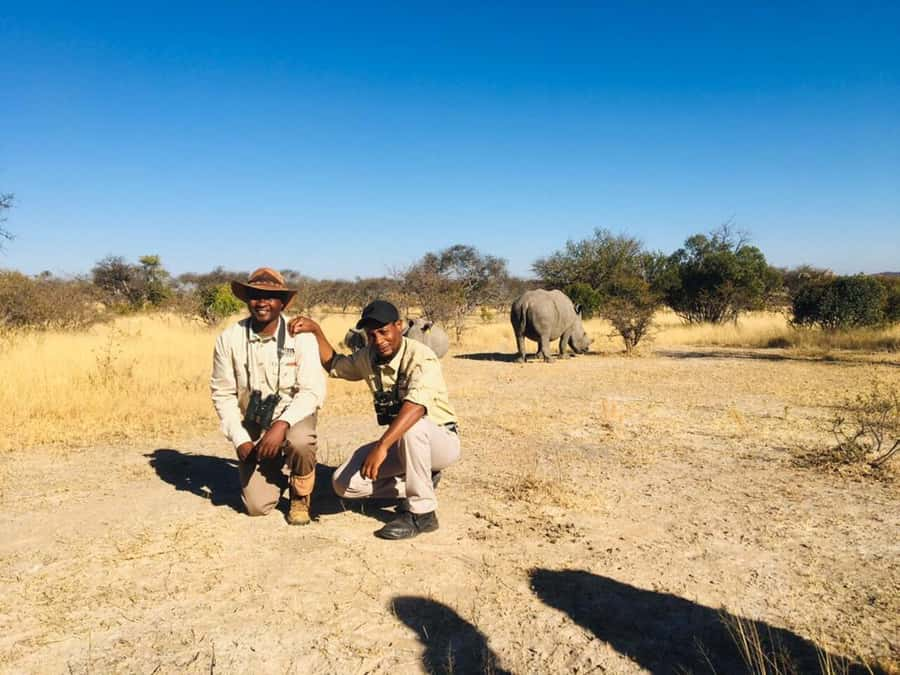
The strongest part is the guide. Blessing, an experienced rhino guide and former rhino ranger, has earned repeated praise for his calm approach, clear English, and sharp eye for animals and birds. He also brings fruit, snacks, and drinks, which is welcome if lunch comes later than planned. Wear dull-colored clothing, closed shoes, and a hat. Bright colors are not allowed, for good reason around wildlife.
Key things to know before you go
- Rhinos are tracked on foot: Sightings are never guaranteed, but the guide works patiently to find animals and explains how to behave near them.
- The approach can be very close: Past encounters have placed visitors within roughly 6 or 7 meters of rhinos, so listening to the guide is essential.
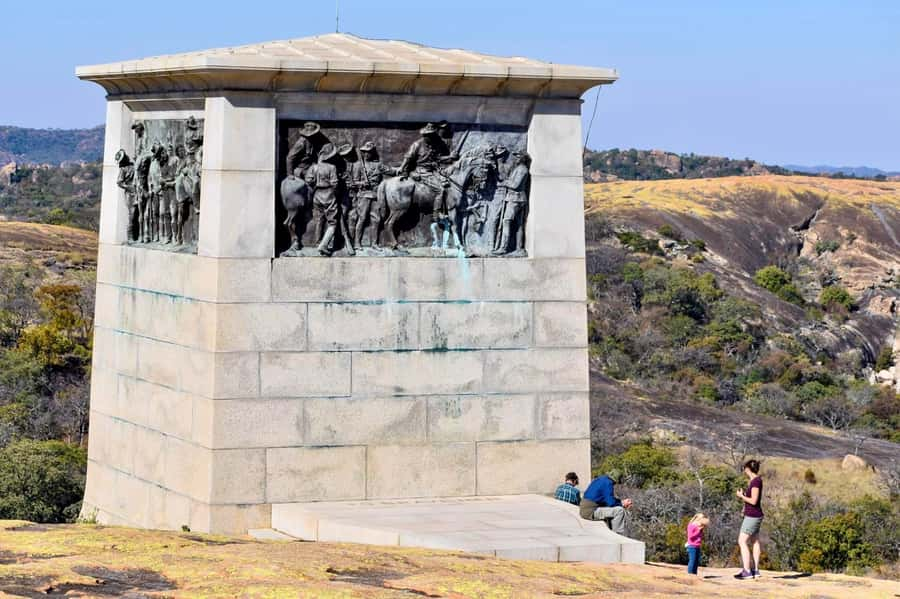
- Matobo is more than a game drive: You also visit rock paintings, balancing rocks, sacred sites, and Cecil Rhodes’ grave.
- The day mixes driving and walking: One walk described by a participant covered about 500 meters and was not difficult, but outdoor mobility is still needed.
- Lunch comes at a local lodge or restaurant: Food has been praised, with scenic views, though the meal may be later in the day.
- The price covers the main costs: At $140 per person, the fee includes transport, entry fees, drinks, lunch, and the guided experience.
Why Matobo Hills deserves a full day
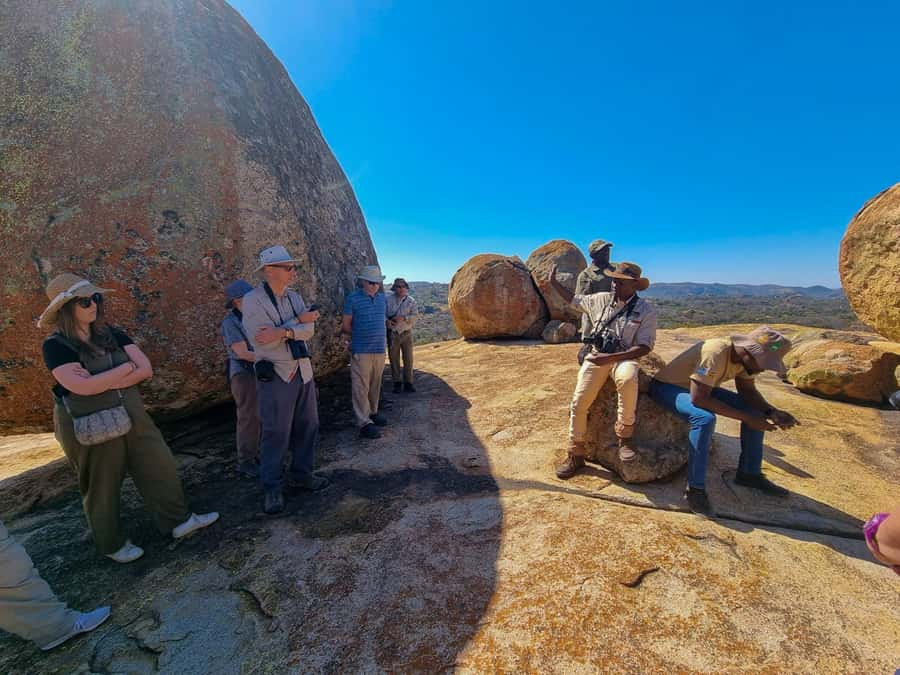
Matobo Hills is one of Zimbabwe’s most unusual protected areas. Huge rounded granite formations rise from open country, creating piles of balancing rocks, narrow passages, and high viewpoints. The setting feels ancient even before you learn about the people who have lived here and used these rock shelters.
The area is a UNESCO World Heritage Site, but the label alone does not explain its appeal. You are not simply looking at scenery from a vehicle window. You are moving through a place where wildlife protection, rock art, sacred locations, Ndebele history, and colonial history all sit close together.
I especially like the variety. One hour may involve searching for rhino tracks, the next may bring a discussion of healing plants or a stop at prehistoric paintings. Then the truck climbs toward a viewpoint, and the day shifts again to wide views across the Matobo Hills.
The history is not polished into a single simple story. Your guide discusses Ndebele kings and their encounters with early European settlers, along with the Matabele wars and the Shangani Patrol, in which 3,000 warriors were killed. The tour also visits Cecil Rhodes’ burial place, giving you a chance to think about how colonial figures are remembered in Zimbabwe.
A few more day trips from the world worth a look
- Tuscany Day Trip from Florence: Siena, San Gimignano, Pisa and Lunch at a Winery
★ 5.0 · 21,634 reviews - From Amsterdam: Zaanse Schans, Volendam & Marken Day Trip
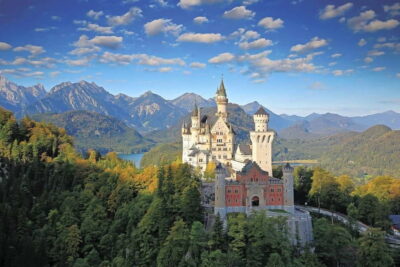
★ 4.4 · 18,501 reviews - From Munich: Neuschwanstein & Linderhof Castle Full-Day Trip
★ 4.6 · 14,646 reviews
Leaving Bulawayo in the white safari truck
Pickup is included in Bulawayo, and you should look for the white open safari truck. An open vehicle gives you better views and makes it easier to spot smaller animals and birds, though it also leaves you exposed to sun, wind, and dust.
The drive itself is part of the day. You get scenic views on the way to Matobo National Park, and the guide can begin explaining what you are seeing before the walking sections start. Since this is an eight-hour outing, the pickup time matters. Check the available starting time and arrive ready for a full day outside.
You receive bottled water and drinks, and Blessing has also been praised for carrying fruit and snacks. That small detail matters. Rhino tracking does not always happen on a strict timetable, and a morning break can keep your energy up before lunch.
Bring sunscreen, insect repellent, and a sun hat. Comfortable walking shoes are more useful than fashionable footwear, especially on uneven ground. Choose neutral outdoor clothing rather than bright colors, and bring an extra layer if the weather may change.
Walking quietly toward white rhinos
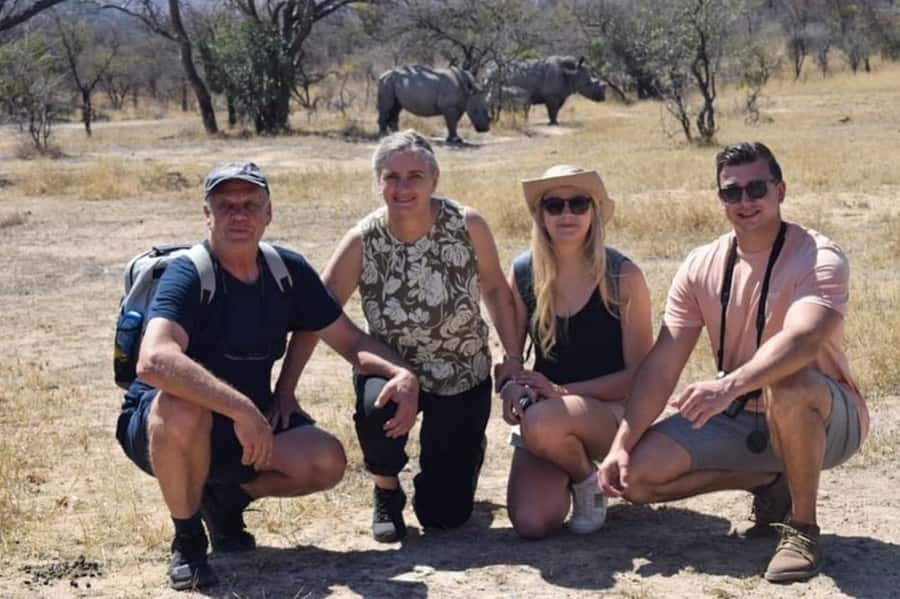
The rhino tracking is the heart of the trip. You leave the vehicle and follow signs of the animals on foot, with the guide reading the ground and explaining rhino behavior. The point is not simply to get a photograph. You learn how to move, when to stop, and why the guide chooses a particular route.
Sightings depend on the animals and the conditions of the day. That uncertainty is part of the experience, so you should not book this expecting a guaranteed close encounter. The guide may need several attempts to locate rhinos at a useful distance.
When a sighting comes together, the encounter can be remarkably close. One reported meeting involved a young male white rhino approaching to within a few centimeters of the guide’s knee before moving on. Another placed the group about 6 or 7 meters away. These moments sound thrilling, but they also show why discipline matters.
You must stay still, keep quiet, and follow every instruction. Do not treat the rhino as a tame animal or move for a better photograph. The guide’s experience helps you read the animal’s behavior, including signs that it is uncomfortable or wants more space.
Blessing receives particularly strong praise for this part of the outing. His former work as a rhino ranger gives him useful practical experience, and his calm manner helps you understand what to do without panic. That is a major part of the value of the tour. You are not just being driven to an animal. You are being taught how to share space with it responsibly.
Rock paintings and a short walk through the hills
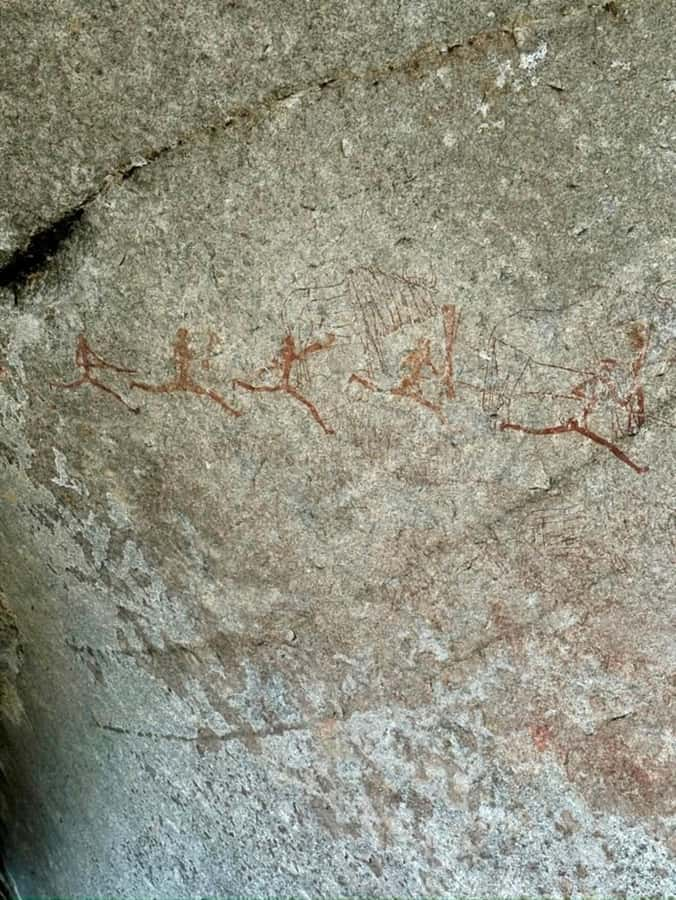
The Bushmen paintings add a human dimension to the day. These prehistoric images are found on rock surfaces and offer a direct connection to people who used the Matobo area long before modern tourism.
Your guide explains the paintings and the role they play in understanding the area. The same broad subject also connects to the history of rhino conservation, since the paintings helped support interest in the animals and the successful reintroduction of rhinos to Matobo National Park.
The walking portion is described as manageable rather than strenuous. One route covered about 500 meters, but you still need to be comfortable walking outdoors over natural ground. The tour is not suitable for wheelchair users or people with back problems, and anyone with limited mobility should take that seriously.
Along the way, you may learn about local plants, including their healing properties, and watch for smaller wildlife and birds. This is where a good guide makes a large difference. Without explanation, a plant can look like an ordinary shrub. With context, it becomes part of the place’s living culture.
Same base, a completely different day out:
- Lisbon: Pena Palace, Sintra, Cabo da Roca, & Cascais Daytrip
★ 4.7 · 9,981 reviews - Florence: Pisa, Siena and San Gimignano Day Trip with Lunch
★ 4.6 · 9,771 reviews - From Marrakech: Day Trip to Ouarzazate and Ait Benhaddou
★ 4.7 · 9,447 reviews - Cinque Terre Day Trip with Optional Hiking or Pisa
★ 5.0 · 8,486 reviews
Balancing rocks, sacred sites, and wide views
Matobo’s granite formations give the park its character. Balancing rocks appear to defy gravity, while rounded hills and exposed stone create changing views from one stop to the next.
The tour includes scenic drives and viewpoints, as well as sacred and historical sites. These stops help break up the wildlife tracking and give you time to absorb the setting. You may find the views especially striking after the close focus of a rhino encounter.
World’s View is one of the key stops. From here, you see the Matobo Hills from a broad vantage point and visit Cecil Rhodes’ grave. A morning tea break has been part of this stop, and it can be a pleasant pause before continuing.
The Cecil Rhodes visit is not presented as a simple celebration. The guide discusses his role and the wider colonial story, while also explaining the relationship between Ndebele rulers and early European settlers. If you care about history, this adds weight to the visit. If you prefer a wildlife-only outing, this section may feel less central, but it is an important part of understanding Matobo.
Lunch with a view in Matobo Hills
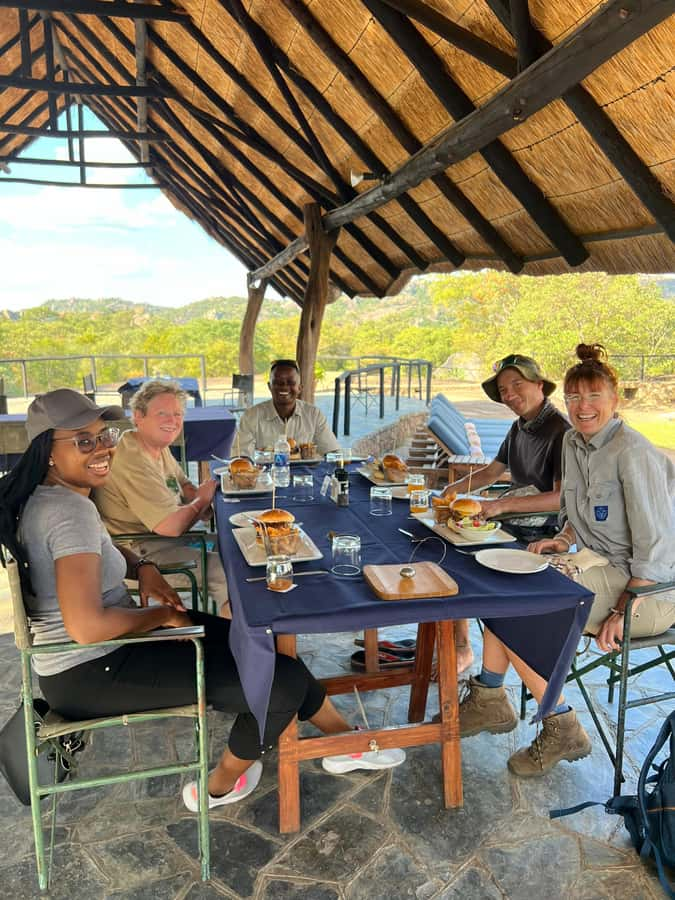
Lunch is included at a local restaurant or lodge in the hills. The meal has been praised for its quality, generous portions, and local flavors, and the setting can be just as memorable as the food.
The timing may be later than you expect. One day had lunch a little late, though the meal and the lodge view made the wait worthwhile. The supplied snacks and drinks help bridge the gap, but you should still eat a proper breakfast before pickup.
I like that lunch takes place in the Matobo area rather than sending you back to Bulawayo for a standard city meal. It keeps the day connected to the place you are visiting and gives you a comfortable break after walking and wildlife viewing.
The food is part of the $140 value. You are paying for a full day rather than a short park transfer, and the price includes lunch, park entry, drinks, transport, and guiding. For visitors already staying in Bulawayo, that makes the trip easier to compare with arranging separate transport, entrance fees, and a specialist rhino guide.
How much variety fits into eight hours
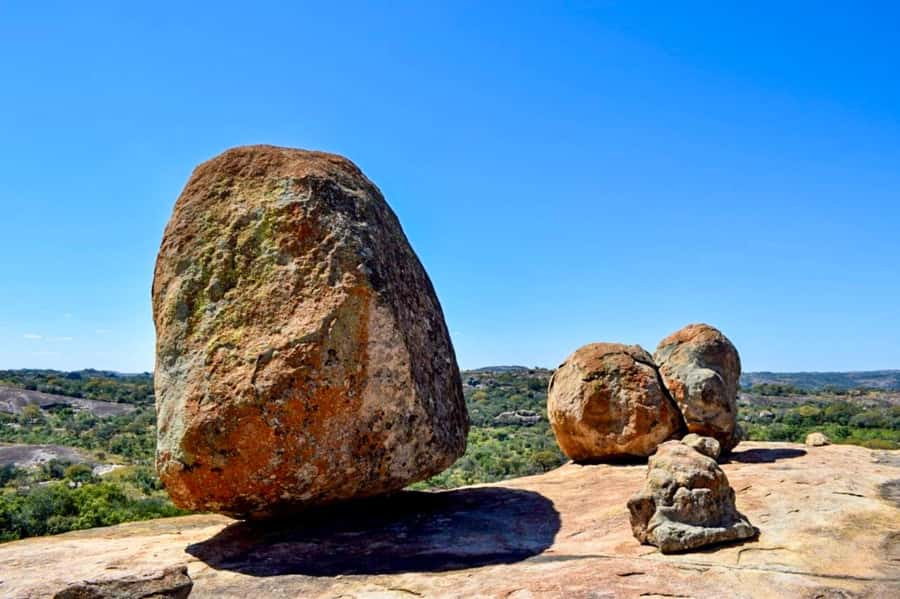
The schedule covers a lot: pickup, scenic driving, a guided park visit, wildlife viewing, rhino tracking, rock paintings, balancing rocks, sacred sites, Cecil Rhodes’ grave, a possible arts and crafts market stop, and lunch.
That variety is a strength if you want a broad introduction to Matobo. You can sample the park’s natural and cultural sides in one day, rather than choosing between a game drive and a history excursion.
It can also make the day feel busy. Rhino tracking is unpredictable, and time spent waiting for a good sighting may shift the timing of snacks or lunch. You should think of the schedule as flexible rather than a minute-by-minute plan.
The tour includes both a game drive and a walking experience. If your priority is a quiet, long walk, this may move too quickly between stops. If you want to see as much of Matobo as possible from Bulawayo, the full schedule is a good fit.
The guide makes the difference
Blessing is the name most closely associated with this experience, and the feedback about him is unusually consistent. He is praised for arriving early, speaking clear English, answering questions, explaining history, and noticing small animals that are easy to miss.
His best quality may be his judgment around rhinos. He does not simply get close for the sake of a dramatic photograph. He watches the animal, chooses when to advance, and tells you exactly how to react. That combination of confidence and restraint is what turns a risky-looking encounter into a controlled wildlife experience.
He also adds useful human touches. Snacks, fruit, drinks, and stories during breaks make the day feel cared for without turning it into a luxury tour. For a private or small group outing, the guide can also adjust the emphasis toward wildlife, history, or scenery, although the exact group size and flexibility are not specified.
Who should book this Matobo day trip?
I would recommend it to you if you are staying in Bulawayo and want one strong day outside the city. It suits people who enjoy wildlife but also want history, rock art, views, and local food.
It is especially good for first-time visitors to Matobo because the guide connects the major sights. You are not left to figure out why a grave, a cave painting, a rhino, and a sacred rock formation belong in the same day.
You should think twice if you have back problems, use a wheelchair, or dislike walking over uneven outdoor ground. It is also not ideal if you need a guaranteed rhino sighting or a fixed lunch time.
At $140 per person, I consider it fair value because the fee includes the guide, transport from Bulawayo, entry costs, lunch, water, drinks, and the chance to track rhinos on foot. The price makes the most sense if you would otherwise need to arrange each part separately.
Cancellation is flexible up to 24 hours before departure, and you can reserve now and pay later. Those terms are useful when your Zimbabwe plans are still shifting, but the main decision is simpler: can you handle a full outdoor day and do you want more than a standard vehicle safari?
Should you book it?
Book this trip if you want the most varied one-day introduction to Matobo Hills from Bulawayo. The combination of close rhino tracking, ancient paintings, granite formations, Rhodes’ grave, local history, and lunch in the hills gives you a fuller sense of the area than a short sightseeing drive.
I would choose it for the guide-led wildlife experience, not just the checklist of stops. Blessing’s patient approach and practical rhino knowledge are the strongest reasons to go. Pack light, wear muted clothing and sturdy shoes, and accept that the day’s timing may change around the animals.
FAQ
Where does the Matobo Hills tour start and finish?
The tour includes pickup in Bulawayo and returns you to Bulawayo after the day in Matobo National Park.
How long does the experience last?
The full experience lasts about eight hours, with around seven hours listed for the Matobo National Park visit and activities.
Is rhino tracking done on foot?
Yes. The tour includes an opportunity to track rhinos on foot, along with vehicle-based wildlife viewing and scenic driving.
Are rhino sightings guaranteed?
No guarantee is stated. The guide makes repeated efforts to find rhinos, but wildlife sightings depend on the animals and conditions on the day.
How close might I get to the rhinos?
Past encounters have brought people to roughly 6 or 7 meters from rhinos, while one encounter came even closer. You must stay still and follow the guide’s instructions.
What other sights are included?
The day includes Bushmen rock paintings, balancing rocks, sacred sites, scenic viewpoints, Cecil Rhodes’ grave, wildlife viewing, and a possible arts and crafts market visit.
Is lunch included?
Yes. Lunch at a local restaurant or lodge in the Matobo Hills is included, along with bottled water and drinks.
What should I wear and bring?
Bring a sun hat, sunscreen, insect repellent, and closed-toe walking shoes. Wear comfortable outdoor clothing and avoid bright colors.
Is the tour suitable for wheelchair users?
No. The experience is not suitable for wheelchair users, and it is also not recommended for people with back problems.
What language is the tour conducted in?
The live guided tour is conducted in English.
What happens if I need to cancel?
You can cancel up to 24 hours in advance for a full refund. The experience also offers a reserve-now, pay-later option.
Just added around the world
- Day trip from Agadir to Massa in 4X4★ 5.0 · 31 reviews
- Day Trips from Agadir to Marrakech with Amazing guide★ 4.5 · 26 reviews
- Agadir Morocco: Day Trip To Taroudant & Tiout Oasis with Lunch★ 4.5 · 67 reviews
- 4WD Agadir Day Trip to Massa★ 5.0 · 39 reviews
- Agadir Day Trip To Legzira & Tiznit★ 3.5 · 20 reviews
- Murray River Day Trip from Adelaide Including Lunch Cruise aboard the Proud Mary★ 4.0 · 105 reviews
- Day Trip From Addis Ababa To Debre Libanos & Portuguese Bridge★ 4.5 · 64 reviews
- Day trip to Adadi Mariyam and Melka kunture★ 4.5 · 20 reviews
1-Day Tours, compared.
Tuscany Day Trip from Florence: Siena, San Gimignano, Pisa and Lunch at a Winery
Read our review →
Neuschwanstein & Linderhof Castle Full-Day Trip
Read our review →Pisa, Siena and San Gimignano Day Trip with Lunch
Read our review →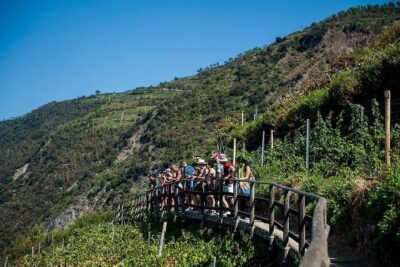
Cinque Terre Day Trip with Optional Hiking or Pisa
Read our review →