
REVIEW · PARIS
Giverny and Monet’s House Half Day Trip from Paris Guide or Audio
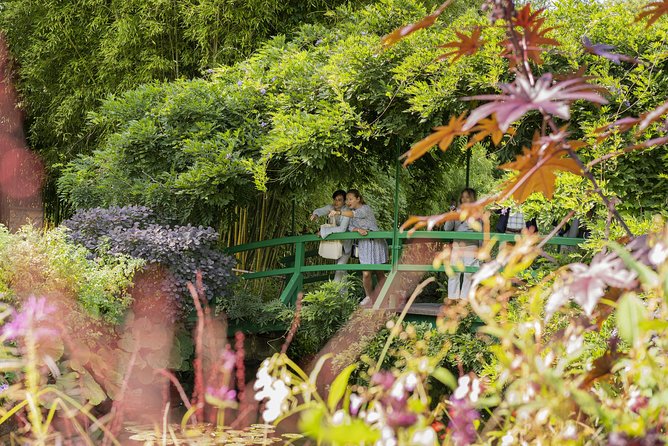
Monet’s garden is a painting you can enter. This half-day outing makes a visit to Giverny simple, with round-trip coach travel, admission to the house and gardens, and a choice between an audio guide and an art historian. I especially like the easy central Paris departure and the chance to see the water lily pond, Japanese bridge, and rooms where Claude Monet lived and worked. The main drawback is time: with roughly three hours on the road, the visit can feel short and crowded.
I also like the flexibility of choosing a morning or afternoon departure. Guides such as Alex, Philippe, Agnès, Clémence, and Krystle have been praised for keeping groups together and adding useful stories about Monet’s family and working life. Still, the experience depends heavily on the season, crowd levels, guide, and, with the audio option, your own phone and headphones.
Key points to know before booking
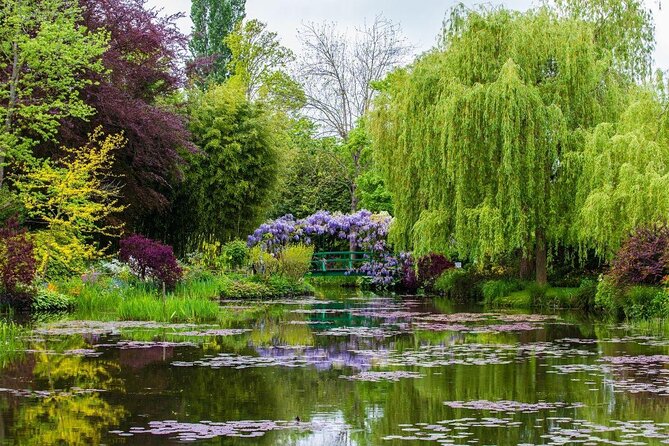
- The famous water lily pond is only one part of the visit: You will also see the Clos Normand gardens, orchards, Japanese bridge, house, studio, and Japanese print collection.
- The journey takes about 1 hour and 30 minutes each way: The coach removes the trouble of arranging transport to Giverny yourself, but it leaves limited time at the property.
- You can choose your touring style: Pick an audio guide for independent wandering or a live guide, with an art historian option available when selected.
- Crowds can change the entire experience: Late morning and high-season visits may feel packed, while an early or later departure can offer a calmer visit.
- The meeting point is near the Eiffel Tower: Departure is from 45 Avenue de la Bourdonnais, with the return normally to the same meeting point.
- The $102.57 price buys convenience as much as admission: It is most useful if you value organized transport, reserved entry, and a simple half-day plan.
Why Giverny matters to Monet fans
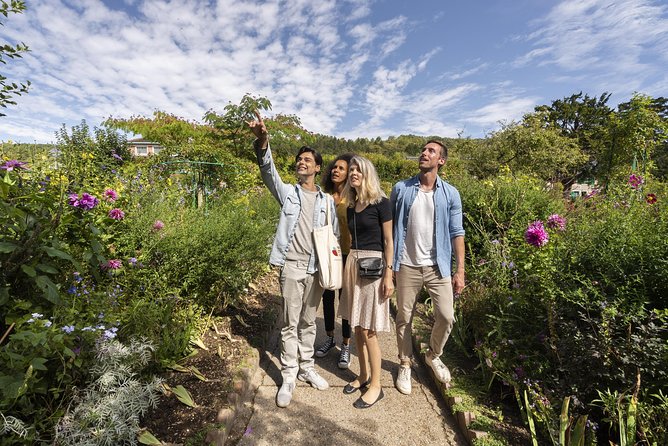
Claude Monet was not simply a painter who found a pretty garden. He shaped the property at Giverny around the subjects he wanted to paint, especially reflections, changing light, flowers, water, and Japanese-inspired garden design.
That context makes the visit more rewarding. You are not looking at a random country house. You are seeing the setting that fed some of Monet’s best-known work. The water lily pond and Japanese bridge are familiar from reproductions, but the real pleasure is noticing how plants, paths, water, and light work together.
The house adds another layer. Its rooms, kitchen, bedrooms, studio, and private collection show the domestic side of Monet’s life. The collection of Japanese engravings is especially important, and it helps explain the visual ideas behind the bridge, pond, bamboo, and garden layout.
If you already know Monet’s paintings, the visit can feel almost theatrical. If you know little about him, the garden still works as a beautiful country outing, though a good live guide adds useful meaning.
A few more day trips from Paris worth a look
- From Paris: Giverny Day Trip with Audio Guide or Live Guide
★ 4.3 · 2,372 reviews - Bruges Guided or Audio Trip with Canal Cruise Option from Paris
★ 4.0 · 795 reviews - Athens: Peloponnese Highlights Day Trip and V.R. Audio Guide
★ 4.5 · 1,425 reviews
The 1-hour-30-minute coach ride from Paris
The tour begins at 45 Avenue de la Bourdonnais, 75007 Paris. This is a practical central location near the Eiffel Tower, and the departure area gives you a useful landmark for finding your way back after the tour.
The coach ride takes about an hour and a half through the countryside toward Giverny. That is a significant part of a five-hour-15-minute experience, so you should understand the tradeoff before paying. You gain a straightforward route and avoid arranging trains, local transport, and admission on your own. In return, you spend several hours in transit for a relatively short visit.
The coach is described as comfortable, and many people appreciate having the return trip organized. That matters after walking around the gardens, especially on a warm day. One poor experience involved weak air conditioning and a delay while the driver sought help, so comfort is not guaranteed on every departure. It appears to be an exception rather than the normal pattern, but it is worth keeping in mind during hot weather.
The group can include up to 30 people. That is not a tiny private outing, but it is manageable when the guide is good at setting clear meeting instructions. Alex, Agnès, Philippe, and Clémence received particular praise for pacing groups, answering questions, and choosing sensible routes through busy areas.
Entering the Fondation Claude Monet
Once you arrive, the visit centers on the Fondation Claude Monet, which includes the house and gardens. Priority admission is included, a useful feature during the busiest months. It does not mean the grounds will be empty. High-season crowds can still create queues and make the paths feel tight.
The front gardens and orchards offer the first burst of color. Flower displays vary by season, so do not expect the exact scene pictured in a brochure. Spring and summer bring strong color and fuller planting, while autumn can offer soft light, changing foliage, and fewer people. One late-October visit was especially appreciated for its smaller crowd.
The garden is broad enough to reward a slow look, but the organized portion may move at a steady pace. A live guide can point out planting choices, Monet’s working methods, and details about his family. A good guide also helps you find a practical route when the property is crowded.
The best guides do not merely march you from one photo stop to another. Alex was praised for timing the route around the house and gardens, while Agnès was noted for explaining parts of Monet’s life and keeping the group together. That kind of attention can make a major difference in a place where paths quickly fill with people.
The Clos Normand and the Japanese bridge

The Clos Normand is the garden most closely associated with the classic Giverny image. Here you can walk among flower beds, trees, and paths designed to create layers of color and shape. It is the section where you are most likely to feel as if you have stepped into one of Monet’s compositions.
The Japanese bridge is the obvious photo stop, but it is not the only reason to linger. Look beyond the bridge at the relationship between the bamboo, weeping willows, pond, and water surface. The garden’s appeal comes from the combination, not from one isolated object.
The itinerary allows about 45 minutes for the Fondation Claude Monet portion and another 25 minutes for the Clos Normand gardens. These times should not be read as a leisurely private visit. They indicate how quickly the organized experience can move, particularly when the property is busy.
Several people wished for another 30 minutes. That is a fair criticism if you enjoy photography, plants, or quiet observation. You may get enough time to see the major features, but not enough to sit beside the pond, study every flower bed, and explore every corner without watching the clock.
Same base, a completely different day out:
- Normandy D-Day Sites & Cemetery Day Trip from Paris with Lunch
★ 5.0 · 6,877 reviews - Day Trip to Mont-Saint-Michel from Paris
★ 4.5 · 4,876 reviews - Loire Valley Castles Day Trip from Paris with Complementary Wine
★ 4.5 · 3,907 reviews - From Paris: Giverny, Monet’s Home & Gardens Half-Day Trip
★ 4.5 · 2,887 reviews
Monet’s house, studio, and Japanese prints
After the gardens, you can enter Monet’s house and explore at your own pace. The house includes the kitchen, bedrooms, and other rooms restored after Monet’s son donated the property to the French Academy of Fine Arts.
The rooms help turn the artist from a famous name into a real person with routines, tastes, and a home life. The kitchen is a highlight for anyone interested in historic interiors, while the Japanese engravings are important for understanding the influence of Japanese art on Monet’s work.
The studio is another essential stop. It connects the private house with the professional painter. You can then browse the large shop, which sells reproductions, pottery, table settings in Monet’s favorite blue and yellow colors, and flower seeds.
The shop is more than a quick retail stop. It offers useful souvenirs for people who want something connected to the garden rather than a generic Paris gift. On one particularly hot visit, the air-conditioned shop and seating area were even described as a welcome break, though that should not be its main purpose.
Audio guide or live art historian?
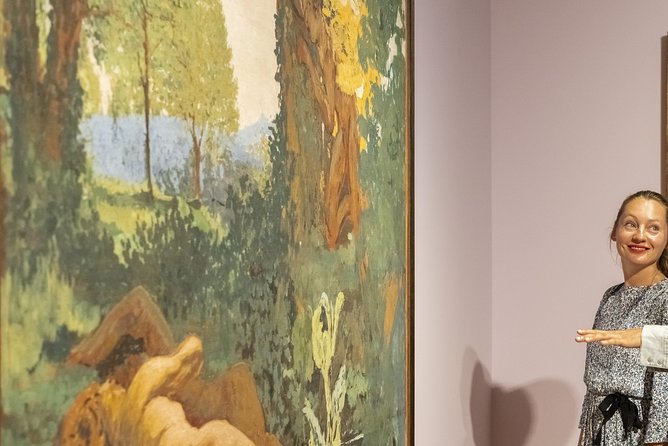
Your choice of guide can shape the whole visit.
The audio option gives you freedom. You can move at your own speed, stop for photos, and pause the commentary when a garden path catches your attention. The downloadable app is offered in 10 languages: Chinese, English, French, German, Italian, Japanese, Korean, Portuguese, Russian, and Spanish.
Bring a fully charged phone and your own headphones. Headphones are not included, and a dead battery or faulty audio can leave you with little explanation. One audio device stopped working partway through a visit, and help was limited, so this option suits independent visitors who are comfortable managing their own equipment.
The live guide is the better choice if you want context without planning your own route. The strongest guides add stories about Monet’s life, family, garden design, and final years while also watching the clock. They can keep the group moving through a busy property and tell you where to look.
The live option is not automatically better. One poor experience included very little information about Monet and advice that felt unrelated to the visit. Since the quality can vary by departure, the audio option may appeal to visitors who prefer control and privacy.
Crowds, seasons, and the best departure time
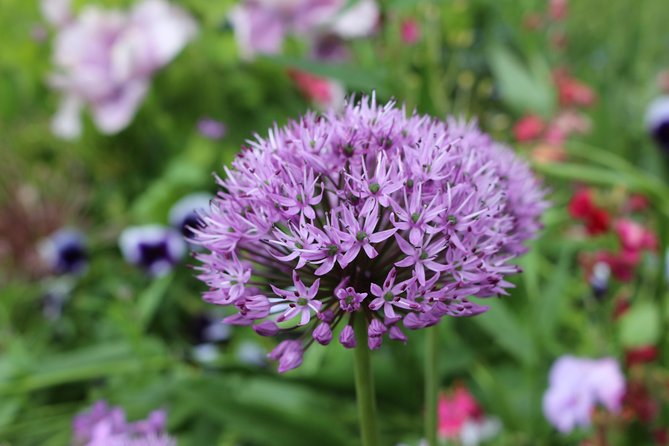
Crowds are the main weakness of this outing. Giverny is popular, and the narrow paths around the pond and bridge can become crowded even outside the peak summer months. September can still feel packed, while a beautiful-weather day may attract large numbers.
Morning visits often have better light and can be quieter, though morning is also described as a busy period at times. The afternoon can be a good choice if you want to avoid the earliest rush, but you may encounter warmer conditions and less time before the return journey. The tour offers morning and afternoon options, so compare the schedule with your priorities.
Season matters as much as time of day:
- Spring: Often the strongest choice for fresh planting and flower color.
- Summer: Long daylight and full gardens, but heat and crowds can be serious.
- Early autumn: Softer light and possible relief from peak-season numbers.
- Late October: Fewer people can make the visit calmer, although the flower display may be less dramatic.
The garden is worth seeing in different seasons, but no departure can guarantee empty paths or perfect blooms. If you want a quiet, contemplative experience, a half-day coach tour during a busy period may disappoint.
Is $102.57 good value?
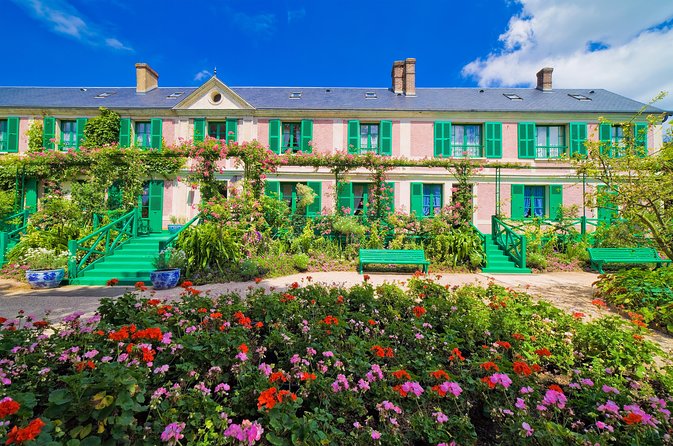
At $102.57 per person, this is not the cheapest way to visit Giverny. The price makes more sense when you count the round-trip coach, entry to the house and gardens, priority admission, and the convenience of having the route arranged from central Paris.
I would call it fair value for a first visit if you do not want to handle the transport yourself. You can leave from a central location, ride directly through the countryside, enter the property, and return to Paris without organizing several separate pieces.
The value drops if you mainly want extended garden time. With about three hours spent on the road, the visit can feel expensive for anyone who wants to wander slowly or spend much of the day photographing flowers. A longer Giverny outing would suit that purpose better, but this option is designed for people with limited time in Paris.
The tour also saves mental energy. That matters during a short Paris stay when every morning and afternoon count. You pay for simplicity, not just for a ticket.
Who should book this half-day visit?
I would recommend it to:
- First-time visitors to Giverny
- Monet fans who want to see the famous pond and bridge
- People with only half a day available
- Visitors who prefer organized transport from Paris
- Anyone who wants a live guide to explain Monet’s life and garden
- Visitors comfortable with a moderate amount of walking on mostly flat, sidewalk-like paths
I would hesitate to recommend it to:
- Anyone who dislikes crowds
- Serious garden photographers who need long, unhurried sessions
- People who want a full day in the village and at the property
- Visitors who prefer completely independent travel
- Anyone booking during hot weather who is sensitive to coach conditions
The tour is not presented as a village walking tour. Its focus is Monet’s property, house, studio, and gardens. You may see the surrounding countryside on the drive, but the main visit happens inside the foundation.
Practical details before you go
The activity ends back at the meeting point, but confirm the exact return instructions on the day. One departure caused confusion when the drop-off location differed from what the person expected, and another visitor had trouble finding the meeting place after exploring. Listen carefully to the guide’s instructions and do not assume you can return to the coach from any point.
Wear comfortable shoes. The paths are mostly flat, but you will walk through gardens, between flower beds, across the property, and through the house. Bring water and weather protection, since food and drinks are not included.
The tour is generally suitable for most people, and it operates near public transport at the Paris meeting point. Free cancellation is available until 24 hours before the scheduled start time. Changes or cancellations inside that window are not accepted for a refund.
Should you book the Giverny tour?
Book it if you want the simplest practical route from Paris to Monet’s home and gardens, especially on a short visit. The coach, included admission, and central meeting point remove much of the hassle, while a strong guide can make the limited time count.
Choose the live guide if Monet’s life, garden design, and Japanese influences matter to you. Choose the audio option if you want to stop and photograph at your own pace, but charge your phone and bring headphones.
The honest warning is time. You are buying a convenient half-day introduction, not a slow day in the garden. If you accept the crowds and limited hours, Giverny can be one of the most memorable art-related trips from Paris. If you want solitude, long garden walks, or perfect photography conditions, plan for a longer visit instead.
FAQ
How long is the Giverny and Monet’s House tour?
The experience lasts approximately 5 hours and 15 minutes, including the coach journey from Paris and the return trip.
How long does the coach ride to Giverny take?
The journey takes about 1 hour and 30 minutes each way through the French countryside.
Where does the tour begin?
The meeting point is 45 Avenue de la Bourdonnais, 75007 Paris, France.
Where does the tour end?
The activity ends back at the meeting point in Paris.
Is admission to Monet’s house and gardens included?
Yes. The entrance ticket includes Monet’s house and the gardens.
Can I choose between an audio guide and a live guide?
Yes. The available option depends on what you select when booking. A live guide or art historian guide is available with the appropriate option.
Which languages are available for the audio guide?
The downloadable audio app is available in Chinese, English, French, German, Italian, Japanese, Korean, Portuguese, Russian, and Spanish.
Do I need to bring headphones?
Yes. Headphones are not included with the audio-guided option, so you should bring your own.
Is food included?
No. Food and drinks are not included.
How many people can join the tour?
The group can include a maximum of 30 people.
Can I cancel for a full refund?
Yes. You can cancel at least 24 hours before the scheduled start time for a full refund. Cancellations or changes made less than 24 hours before departure are not accepted for a refund.
More 1-Day Tours in Paris
- Normandy D-Day Small-Group Day Trip with Omaha Beach, Cemetery & Cider Tasting
★ 5.0 · 2,786 reviews - Mont Saint Michel Day Trip from Paris with English Speaking Guide
★ 4.5 · 2,750 reviews - Normandy D-Day Beaches and American Cemetery Day Trip from Paris
★ 4.5 · 2,673 reviews - From Paris: Mont Saint Michel Day Trip with a Guide
★ 4.6 · 1,970 reviews
Just added around Paris
- Paris: Private Day Trip to Champagne with 8 Tastings & Lunch★ 5.0 · 29 reviews
- Paris: Normandy D-Day Sights Day Trip with Hotel Transfers★ 4.4 · 23 reviews
- From Paris: Giverny and Monet’s Home Day Trip★ 4.8 · 118 reviews
- From London: Paris Day Trip with Lunch on Eiffel Tower★ 4.5 · 239 reviews
- From Paris: Guided Day Trip to Monet’s Garden in Giverny★ 4.8 · 751 reviews
- From Paris: Versailles Full-Day Trip by Train★ 4.8 · 86 reviews
- From Paris: Versailles Palace and Gardens Guided Day Trip★ 4.5 · 57 reviews
- From Paris: Normandy D-Day Beaches Day Trip with Lunch★ 4.9 · 35 reviews
Day Trips from Paris, compared.


Loire Valley Castles Day Trip from Paris with Complementary Wine
Read our review →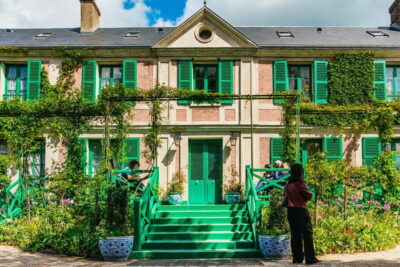
Giverny, Monet’s Home & Gardens Half-Day Trip
Read our review →
Normandy D-Day Small-Group Day Trip with Omaha Beach, Cemetery & Cider Tasting
Read our review →
Mont Saint Michel Day Trip from Paris with English Speaking Guide
Read our review →
Normandy D-Day Beaches and American Cemetery Day Trip from Paris
Read our review →
Giverny Day Trip with Audio Guide or Live Guide
Read our review →
Browse the lists this tour appears in