REVIEW · QATAR
From Doha: Day Trip to North And West Qatar With Pickup
Qatar’s best surprises lie beyond Doha. This eight-hour trip takes you from Purple Island’s mangroves to the archaeological remains of Al Zubara, then across the desert to Zekreet’s rocks and Richard Serra’s giant steel sculpture. It is a packed day, but it gives you a clear look at Qatar’s coast, desert, old villages, art, and heritage in one outing.
I especially like the mix of places. You get history at Al Zubara Fort and Jumail, then very different scenery around Zekreet and the Richard Serra installation. The guides also receive strong praise for their friendliness and care, with names such as Abood, Abdullah, Adnan, Hassan, and Abdul Rahman appearing often in recent feedback.
The trade-off is simple: this is a lot of Qatar in one day, and you will spend plenty of time in the vehicle. The route includes long transfers across open country, so it suits you best if you want variety and context rather than a slow visit to one or two sites.
Key points to know before booking
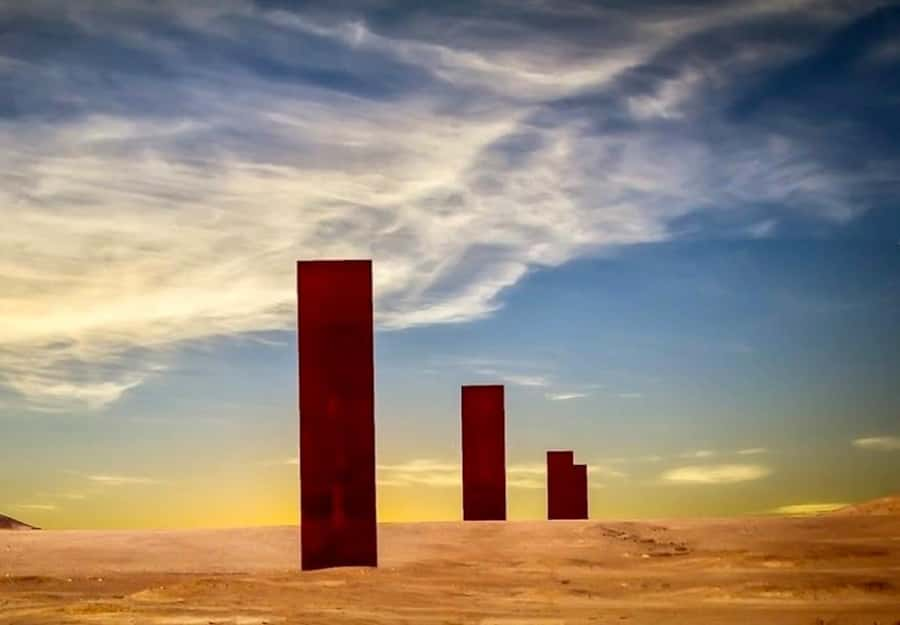
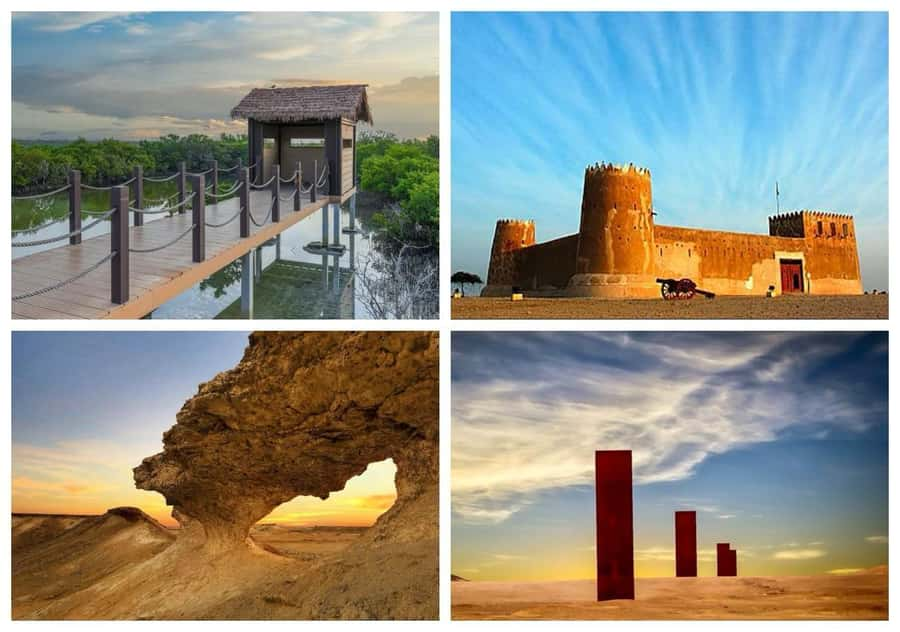
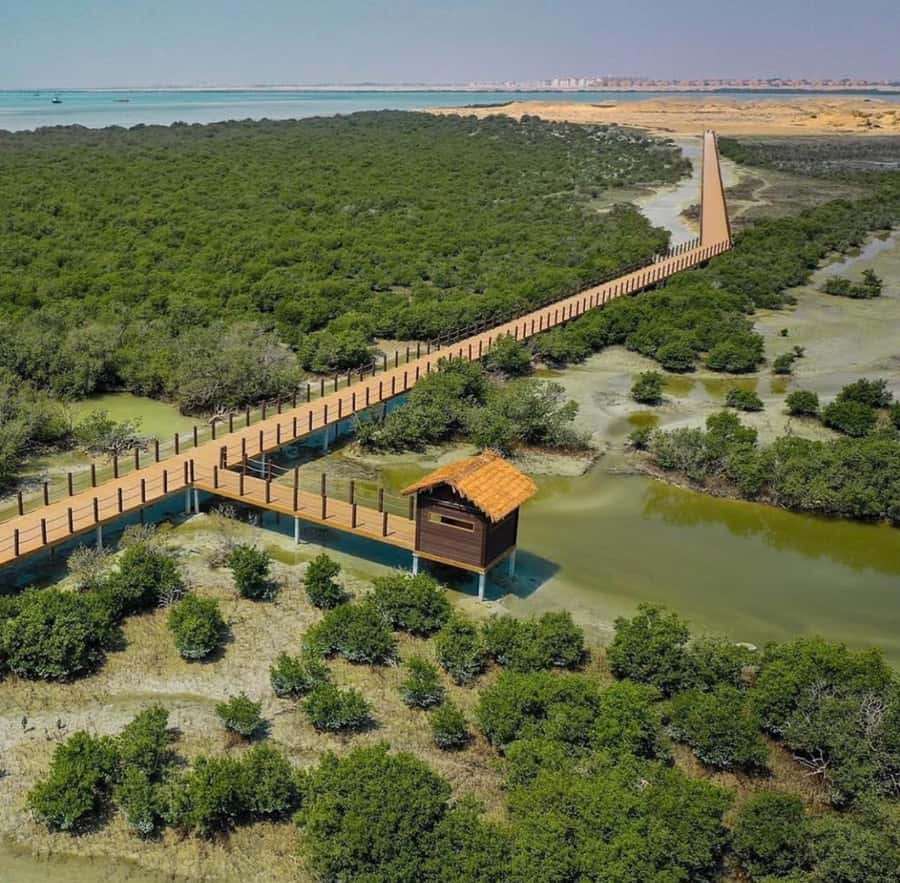
- Purple Island starts the day with mangroves and coastal scenery, a gentler opening before the long desert drives.
- Al Zubara Fort offers the main heritage stop, with a UNESCO-listed archaeological setting and traditional Qatari building styles.
- Jumail’s abandoned village gives you a striking photo stop, especially if you like old stone-and-mud structures.
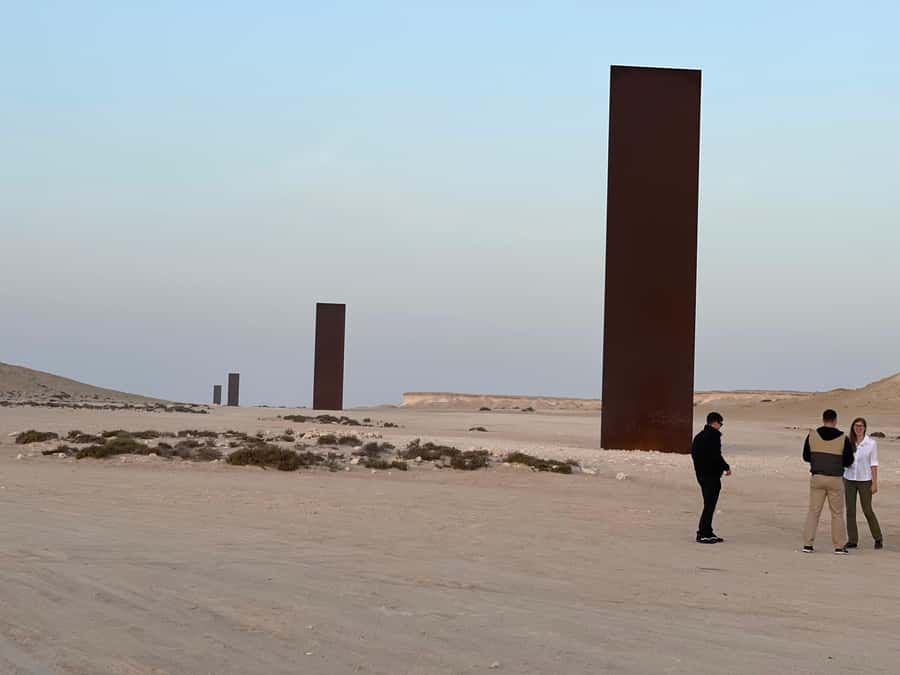
- Richard Serra’s East-West sculpture is the artistic high point, four enormous steel plates set far out in the desert.
- A 4WD vehicle, hotel or airport pickup, water, tea, and insurance are included in the $71 price.
- The tour can be private, but the standard experience is a group outing, so timing and stop lengths may vary.
Why this day trip is worth your time
Doha is polished, modern, and easy to visit. It is also only one part of Qatar. Outside the capital, the country becomes quieter and more open, with fishing towns, old settlements, pale limestone, mangroves, and broad desert views.
That contrast is the real reason to book this trip. You are not simply checking off famous sights. You are seeing how Qatar connects its coastal economy, traditional settlements, archaeological past, and modern art.
At $71 per person, the price is fair for a full day with a 4WD vehicle, an air-conditioned ride, pickup, bottled water, tea or coffee, and insurance. You would need to arrange transport to these scattered sites yourself if you explored independently, and the route covers a wide stretch of the country.
Lunch and snacks are not included. That matters on an eight-hour trip, so bring something small or use the stop at a gas station to buy food. You should also bring sunglasses and a camera. There is no need to bring much else, but sun protection is sensible for outdoor stops.
A few more day trips from the world worth a look
- Tuscany Day Trip from Florence: Siena, San Gimignano, Pisa and Lunch at a Winery
★ 5.0 · 21,634 reviews - From Amsterdam: Zaanse Schans, Volendam & Marken Day Trip
★ 4.4 · 18,501 reviews - From Munich: Neuschwanstein & Linderhof Castle Full-Day Trip
★ 4.6 · 14,646 reviews
Purple Island and the Al Thakira mangroves
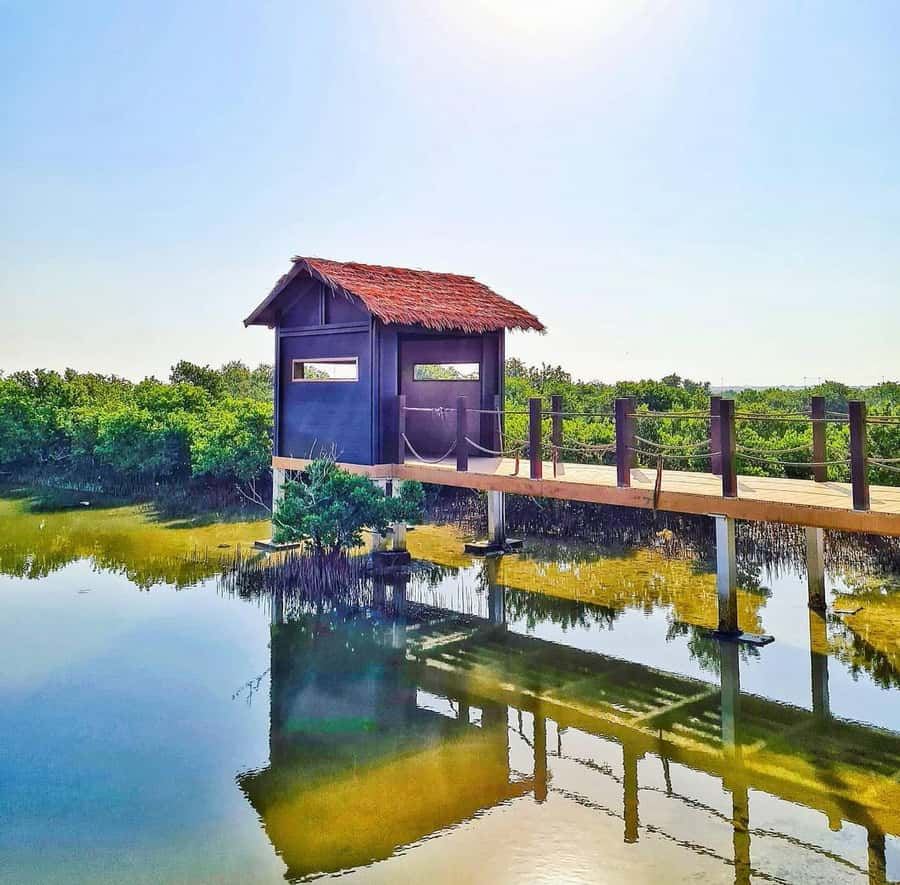
The day begins with pickup in Doha, followed by a drive of about 35 minutes to Purple Island. The name may sound tropical, but the appeal here is the setting: low coastal land, mangroves, shallow water, and open views.
This is a good first stop because it eases you into the day. You can walk, take photographs, and see a side of Qatar that is easy to miss from the capital’s highways and towers. The area is tied to the country’s coastal environment and older economic life, making it more than a quick photo backdrop.
Do not expect a long nature expedition. The stop is presented as a visit, guided tour, walk, and photo opportunity. The value comes from seeing the mangroves in context, not from spending hours on a trail.
After roughly 20 minutes of driving, the route continues toward Al Zubara Fort.
Al Zubara Fort and Qatar’s old coastal world
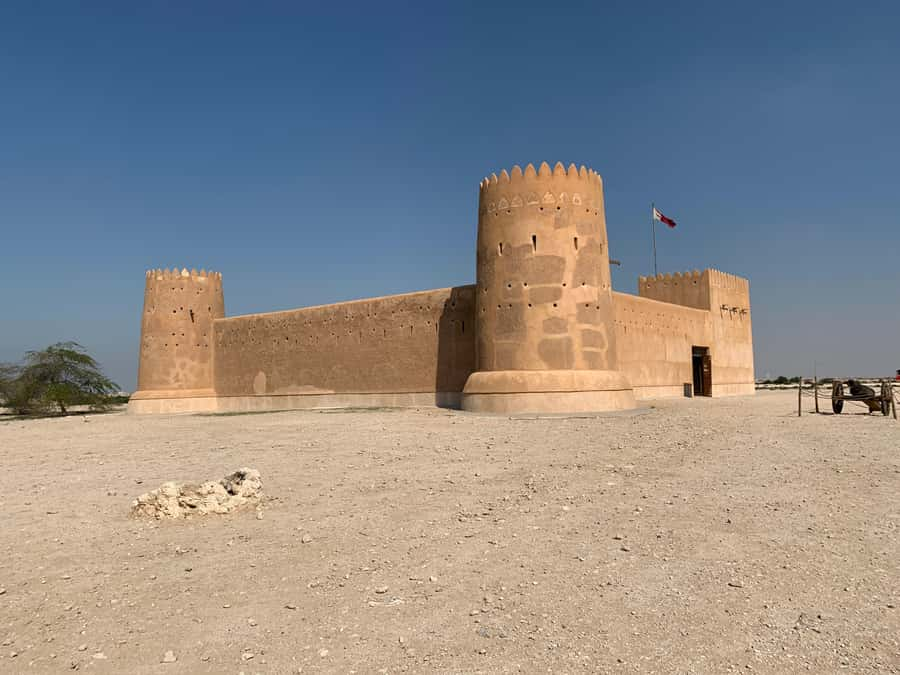
Al Zubara Fort is the day’s main historical site. It is part of the UNESCO-listed Al Zubara archaeological area, known for its remains and the wider setting around the old settlement.
The fort itself is the kind of place that benefits from a guide. A quick walk around the walls gives you photographs, but the explanation helps connect the building to Qatar’s coastal trade, fishing, pearling, and settlement patterns. The surrounding archaeological area also gives the stop a sense of scale that a single museum room cannot provide.
The tour includes time for a guided visit and photographs. Recent guides such as Abood, Abdullah, Adnan, and Abdul Rahman have been praised for explaining Qatar’s history and culture clearly, which is useful here. The quality of the stop depends partly on how well the guide brings the remains to life.
One practical point: Al Zubara is not a quick city attraction. It sits well outside Doha, and the point of visiting is the combination of fort, ruins, and remote setting. If you want a full museum experience with extensive indoor exhibits, this will feel more open and basic. If you prefer seeing heritage in its original setting, it is one of the strongest parts of the day.
Jumail’s abandoned village
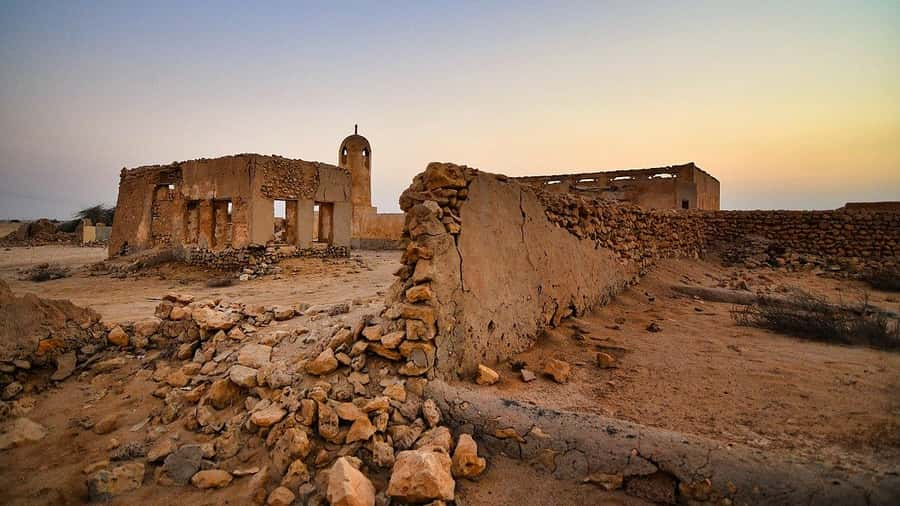
A short transfer of about 10 minutes brings you to Jumail, an abandoned village. This is one of the most atmospheric stops because the remains feel less polished and more immediate than a restored monument.
The village houses are associated with traditional construction using limestone and mud. Their worn walls and empty rooms show how older settlements were built before modern Qatar transformed the coast and desert.
You will mainly walk, look, and photograph. The stop is not described as a long archaeological visit, so keep your expectations realistic. Its appeal is visual and human: you are looking at the traces of a former community rather than a finished attraction.
This is also a good place to pay attention to the guide. The buildings alone do not explain who lived there, how the settlement functioned, or why it was abandoned. A guide such as Hassan, Adnan, or Abdullah can make the difference between a few interesting ruins and a meaningful cultural stop.
Same base, a completely different day out:
- Lisbon: Pena Palace, Sintra, Cabo da Roca, & Cascais Daytrip
★ 4.7 · 9,981 reviews - Florence: Pisa, Siena and San Gimignano Day Trip with Lunch
★ 4.6 · 9,771 reviews - From Marrakech: Day Trip to Ouarzazate and Ait Benhaddou
★ 4.7 · 9,447 reviews - Cinque Terre Day Trip with Optional Hiking or Pisa
★ 5.0 · 8,486 reviews
Crossing toward Al-Shahaniya
The route then heads toward Al-Shahaniya Municipality, with about 35 minutes in the vehicle. This is where the day begins to feel more like a full-country outing than a collection of nearby attractions.
The area is connected with Qatar’s desert interior and camel racing culture. Several guests specifically enjoyed finishing near the camel racetrack, and the camel tracks are included in the described tour experience. The exact emphasis may depend on the day’s timing and guide, so treat it as part of the wider Al-Shahaniya stop rather than a guaranteed long racetrack visit.
This section also gives you a break between the coastal heritage sites and the western desert. You may see broad empty views along the drive, with the occasional roadside stop. The scenery is quiet rather than dramatic at every moment, but that open space helps you understand Qatar’s size beyond Doha.
The Zekreet desert and its strange rock formations
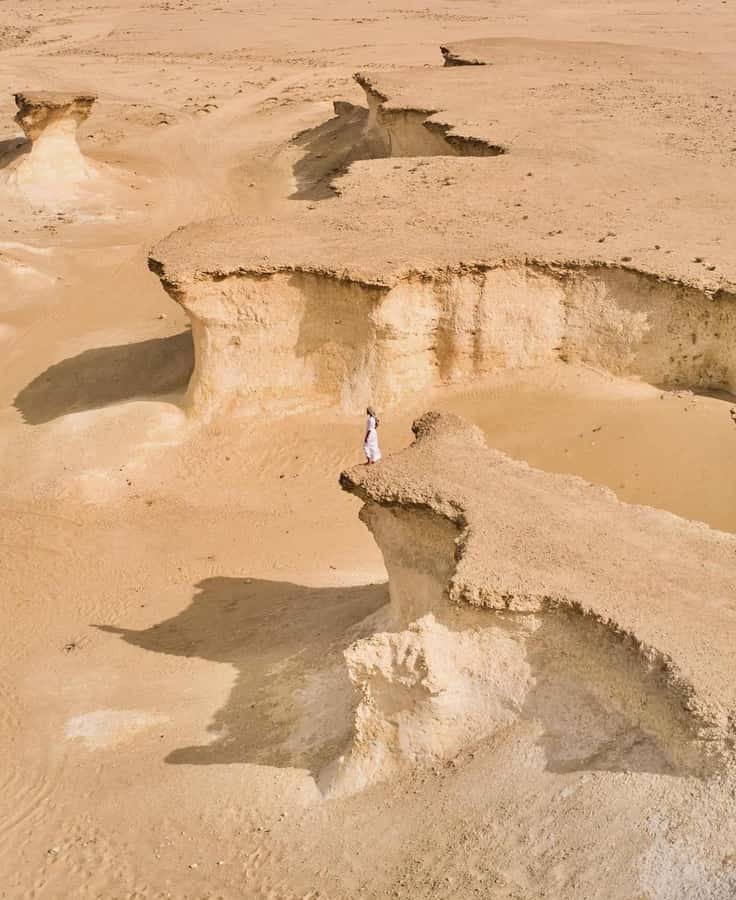
The western portion of the day brings you to Zekreet, where pale limestone formations rise from the desert. The shapes are irregular and often surprising, which is why this area works so well for photography.
One of the featured sights is the famous umbrella-shaped rock. It is an unusual natural form and a favorite subject for photographs. You can walk around, look at the rock from different angles, and take advantage of the open setting.
The tour also includes the Zekreet Peninsula and a wildlife reserve. The supplied information does not promise animal sightings, so I would treat the reserve as a chance to see a protected desert area rather than a wildlife safari. The peninsula’s appeal lies in its combination of coastal views, rock formations, and sparse desert scenery.
There is a lot of outdoor walking here, even if each walk is fairly short. Wear comfortable shoes, bring sunglasses, and keep water with you. Bottled water is provided, but Qatar’s sun can make even a brief stop feel demanding.
Zekreet Fort and the western coast
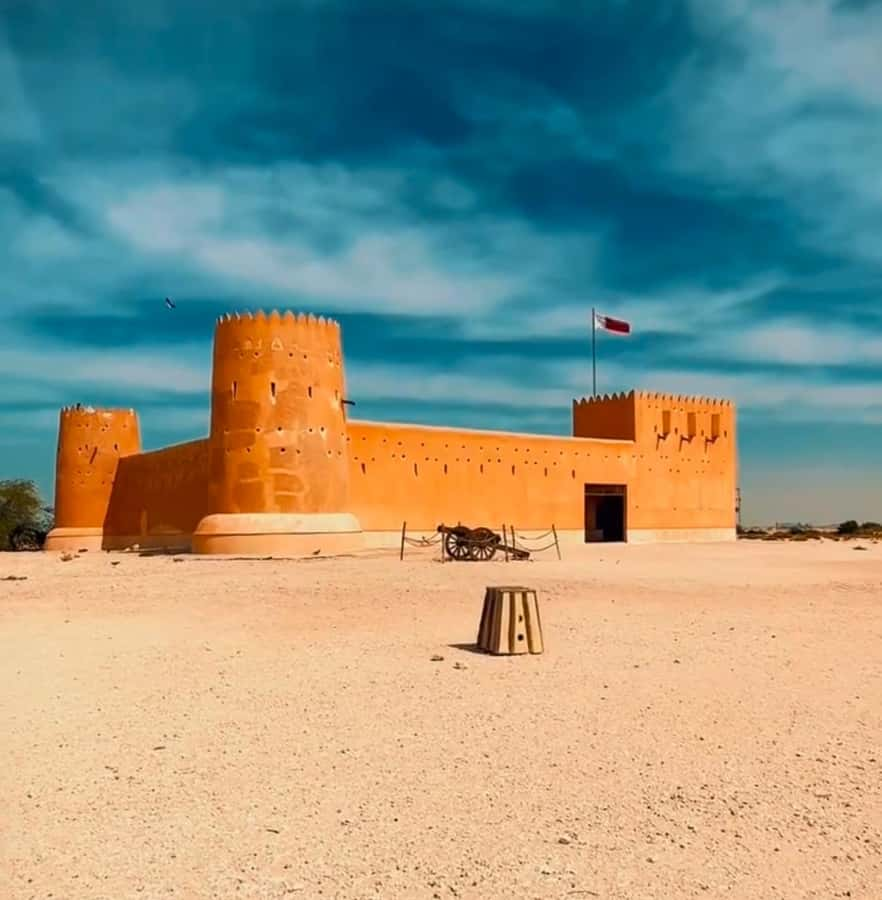
The Zekreet Fort is described as an eighteenth-century landmark on Qatar’s west coast. Compared with Al Zubara, it is a smaller and more rugged historical stop, but it adds variety to the day.
The setting is part of the attraction. You are not visiting a grand urban monument. You are seeing a historic structure surrounded by dunes and open country, where the distance from modern Doha becomes part of the experience.
The fort may appeal most if you enjoy modest ruins and remote places. If you need elaborate displays, polished interiors, or a long guided museum visit, it may feel brief. The guide’s explanation matters again, especially for understanding why this spot was important and how it fits into the west coast story.
Richard Serra’s East-West sculpture
Richard Serra’s East-West sculpture is the most unexpected stop. Four huge steel plates stretch across the desert, creating a powerful contrast between industrial art and the quiet surroundings.
This is not a quick monument beside a city road. The artwork is placed in a broad, isolated area, and the distance between the plates makes you notice the scale of the desert. The result is simple but memorable: straight lines, weathered steel, pale ground, and open sky.
You do not need to be an art expert to enjoy it. The guide can explain the installation, but you can also take it in on your own terms. Photographers will find plenty to work with, especially when people appear small beside the steel forms.
The drive to reach it is part of the price of admission, so to speak. You spend time crossing the desert, but the isolation is exactly what gives the sculpture its force. This is one of the stops that makes the tour more than a standard heritage circuit.
How the transport and timing shape the day
The tour lasts about eight hours and uses a 4WD vehicle with air conditioning. That is the right setup for a route that includes desert tracks, distant sites, and several stretches between stops.
The listed transfers add up to roughly two hours and 25 minutes, before counting shorter movements between individual sights. In practice, you should expect a full day with plenty of driving. Some people will find that tiring, especially in hot weather, while others will appreciate the chance to cover places that are difficult to link without a vehicle.
Pickup is available from hotels and the airport in Doha. That is particularly useful if you have a long stopover or are visiting Qatar from a cruise ship, as one recent guest specifically found the tour a good way to see the country with only one day available.
The standard outing is a group tour, but a private group option is available. A small group can make the day more comfortable and give you more room to ask questions. Recent feedback also describes groups of four, though you should not assume every departure will be that small.
English is the stated tour language. Guides have included Abood, Abdullah, Adnan, Hassan, Abdul Rahman, Saleem, Salman Khan, and others. The strongest pattern in the feedback is praise for punctuality, safe driving, clear explanations, photography help, and attention to comfort.
Food, comfort, and small practical details
Lunch is not included, and neither are snacks. Plan ahead. You can bring food, or you may have an opportunity to buy snacks during a gas-station stop, as one recent account described.
Water and tea or coffee are included. That is a useful touch on a long desert day, though it does not replace carrying a bottle during walks. The air-conditioned vehicle should provide relief between stops.
Sunglasses are listed as essential items, and I agree. The light can be strong around pale rock, sand, and open water. A camera is also worthwhile because the day offers very different subjects: mangroves, fort walls, abandoned homes, rock shapes, a camel-racing area, and modern sculpture.
Pets are not allowed. Free cancellation up to 24 hours before the trip and reserve-now, pay-later booking add flexibility, but the main practical question is still your available time. Do not book this if you only have a few spare hours.
Who should book this Qatar tour?
I would choose this trip if you want to see beyond Doha without renting a car or planning a complicated route. It is especially good for first-time visitors, stopover visitors, cruise passengers, photographers, and anyone curious about Qatar’s older settlements and desert scenery.
You should also book it if you value a guide’s interpretation. The forts and villages are more rewarding when someone explains what you are seeing, and the guides receive unusually consistent praise for being friendly, patient, and attentive.
I would hesitate if you dislike long drives, want a relaxed pace, or prefer to spend a full day at one archaeological site. The route covers a lot of ground, and some stops are short photo visits rather than extended explorations.
Should you book it?
For $71, this is a strong-value way to see the north and west of Qatar in one day. You receive transport, pickup, a guide, water, tea or coffee, and access to a varied route that would be awkward to organize alone.
Book it for the range of experiences: mangroves at Purple Island, the old village of Jumail, Al Zubara’s UNESCO-listed setting, Zekreet’s rock formations, the umbrella-shaped rock, and Richard Serra’s striking desert artwork. Skip it only if the thought of several hours in a vehicle bothers you. For most visitors with a free day, this is one of the more useful ways to understand Qatar beyond its capital.
FAQ
How long is the North and West Qatar tour?
The tour lasts approximately eight hours, including travel between Doha and the sites.
Where does the tour begin?
Pickup is available in Doha, including hotels and the airport.
What language is the tour conducted in?
The stated tour language is English.
Is transportation included?
Yes. The tour includes 4WD transportation in an air-conditioned vehicle.
Is lunch included?
No. Lunch and snacks are not included.
Are drinks provided?
Bottled water and coffee or tea are included.
Which major historical site does the tour visit?
The route includes Al Zubara Fort, a UNESCO-listed heritage site and archaeological area.
Does the tour visit Purple Island?
Yes. Purple Island is included as an early stop, with mangroves, walking, sightseeing, and photo opportunities.
Will I see Richard Serra’s desert artwork?
Yes. The tour includes Richard Serra’s East-West installation in the desert.
Can I book a private group?
Yes. A private group option is available, while the standard experience is offered as a group tour.
Just added around the world
- Antalya / Belek : Pamukkale Day Trip w/ Optional Hot Air Balloon★ 4.5 · 247 reviews
- Day Trip to Keukenhof Gardens from Amsterdam with Tour Guide★ 4.5 · 77 reviews
- Charms of Brussels and Bruges Day Trip from Amsterdam★ 5.0 · 305 reviews
- Guided Day Trip – Volendam, Zaanse Schans, Marken & Edam★ 4.0 · 232 reviews
- Giethoorn Guided DayTrip from Amsterdam★ 4.5 · 494 reviews
- Bruges Day Trip from Amsterdam★ 4.5 · 204 reviews
- Amsterdam: Day trip to Tulip Farm, Keukenhof + Windmill Cruise★ 4.5 · 211 reviews
- Rotterdam, Delft and the Hague Day Trip from Amsterdam★ 4.5 · 55 reviews
1-Day Tours, compared.

Tuscany Day Trip from Florence: Siena, San Gimignano, Pisa and Lunch at a Winery
Read our review →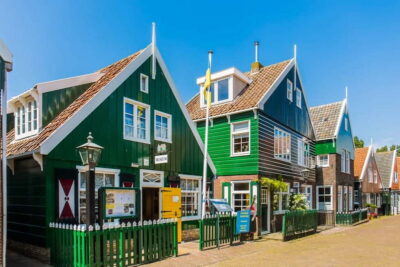

Neuschwanstein & Linderhof Castle Full-Day Trip
Read our review →Pisa, Siena and San Gimignano Day Trip with Lunch
Read our review →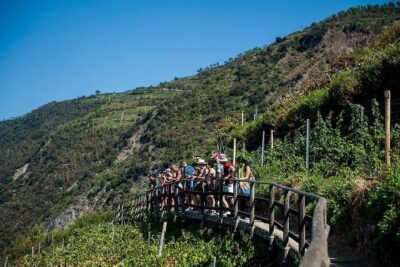
Cinque Terre Day Trip with Optional Hiking or Pisa
Read our review →