
REVIEW · AZERBAIJAN
Baku: Gobustan, Volcanoes, Fire Temple and Yanardag Day Trip
Azerbaijan’s fire country is best seen beyond Baku. This day trip links prehistoric rock art, bubbling mud volcanoes, an ancient fire temple, and the ever-burning hillside of Yanardag in one long outing. I like the no-shopping-stop format, and I like the unusual mix of archaeology, geology, oil history, and Zoroastrian tradition. The main consideration is time: six to eight hours covers a lot of ground, so some stops can feel brisk.
The $29 price is strong value if you want several major sights without arranging separate transport. You get hotel pickup, a guide, transport, and entrance fees when the selected option includes them. Lunch costs extra, and the mud volcano visit is skipped in rainy weather, so keep both points in mind before booking.
Key points at a glance
- See four very different sides of Azerbaijan: prehistoric carvings, Soviet-era off-road transport, sacred fire, and the country’s oil past.
- Gobustan is the cultural centerpiece: the museum and outdoor rock sites explain how early people lived and viewed their world.
- The mud volcano ride adds real adventure: older Lada vehicles may carry you over rough ground to the volcanic area.
- There are no shopping stops: your day is spent at historical and natural sights rather than carpet, jewelry, or souvenir stores.
- Guides make a major difference: Sayed, Elcan, Leyla, Musa, Mahabat, Ughur, and others have earned praise for clear explanations and friendly care.
- Rain can change the plan: the mud volcano stop is omitted for safety when conditions are wet.
Why this Baku day trip works so well
Baku is a modern capital with grand architecture and a strong oil-era identity, but many of Azerbaijan’s most unusual sights lie outside the center. This tour gives you a practical way to reach them without renting a car or piecing together taxis.
I especially like the range of the route. You begin near Bibi-Heybat with oil history, move into the prehistoric world at Gobustan, cross dry coastal country to the mud volcanoes, then return toward the Absheron Peninsula for fire-related sights. It is not a single-theme outing. It is a compact lesson in why Azerbaijan is often linked with earth, fire, and oil.
The tour is offered as a private or small-group outing. That matters on a full day. A smaller group makes it easier to hear the guide, ask questions, and get help with photos. Past groups have sometimes been as small as four people, while other departures use a comfortable van or bus.
The schedule is active rather than leisurely. Planned sightseeing time includes about 30 minutes at Bibi-Heybat, one hour at the Gobustan Museum, 20 minutes at the mud volcanoes, 40 minutes at Ateshgah, and 30 minutes at Yanardag. Driving fills the gaps, and traffic or weather can affect the exact pace.
More ancient ruins day trips in the world:
- Athens: Cape Sounion & Poseidon Temple Sunset Half-Day Trip
★ 4.8 · 8,241 reviews - London: Windsor, Stonehenge, Bath, and Roman Baths Day Trip
★ 4.5 · 5,131 reviews - From Aswan: Abu Simbel Temple Day Trip with Hotel Pickup
★ 4.4 · 2,807 reviews
Bibi-Heybat and Azerbaijan’s oil story
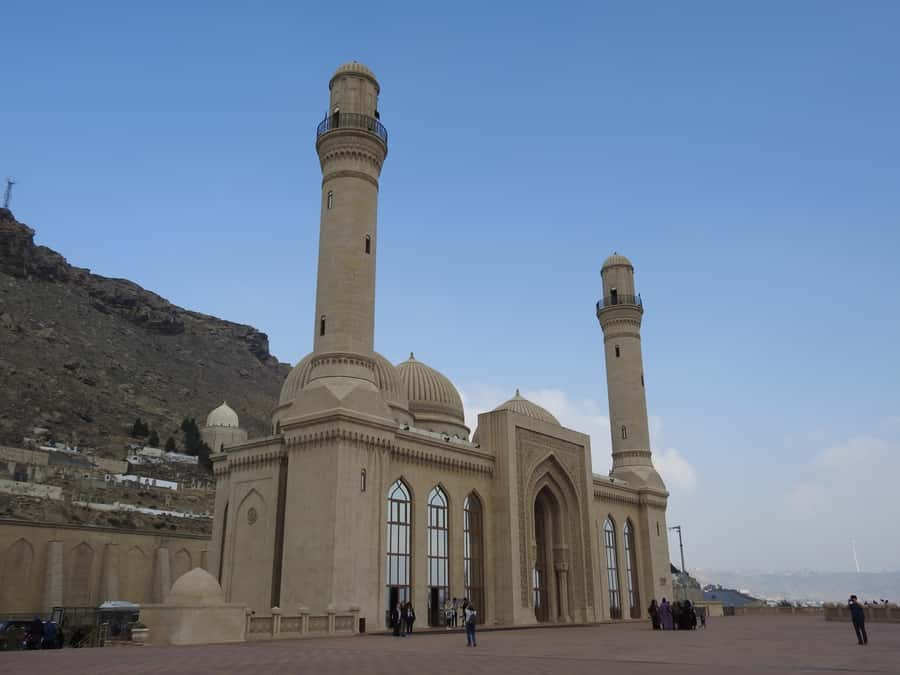
The first stop is near Bibi-Heybat Mosque, where you see an early industrialized oil well. This is a useful opening because Azerbaijan’s modern identity cannot be separated from petroleum.
The stop is brief, around 30 minutes, so do not expect a long museum visit or a full account of the oil industry. Instead, think of it as context before Gobustan. The oil well helps explain how this part of the world moved from natural flames and hand-worked wells to large-scale oil production.
Bibi-Heybat also gives you a quick look at one of the area’s important religious landmarks. The tour information focuses on the oil well, but the mosque adds visual and cultural interest to the stop. Your guide can help connect the site to the wider story of Baku and the Absheron region.
This is one place where a strong guide matters. Sayed has been praised for making history easy to follow, while Samir has been noted for his enthusiasm about Azerbaijan’s past. Names can change by departure, but the best guides turn a short stop into a useful introduction rather than a photo break.
Gobustan’s rock art and Stone Age clues
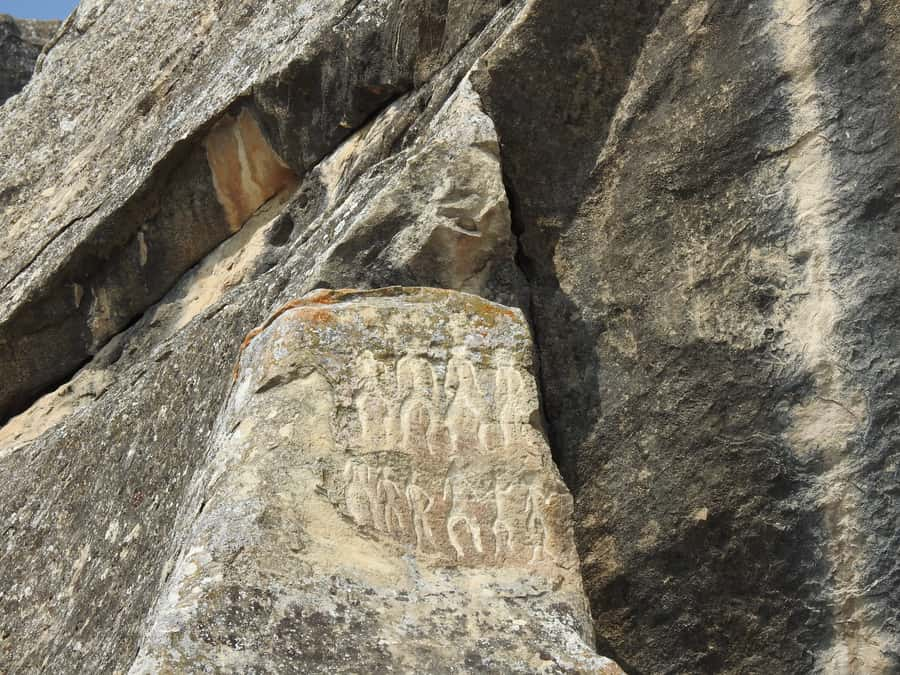
Gobustan National Park is the main archaeological stop. It lies about 70 kilometers from Baku and includes an indoor museum as well as outdoor rock sites.
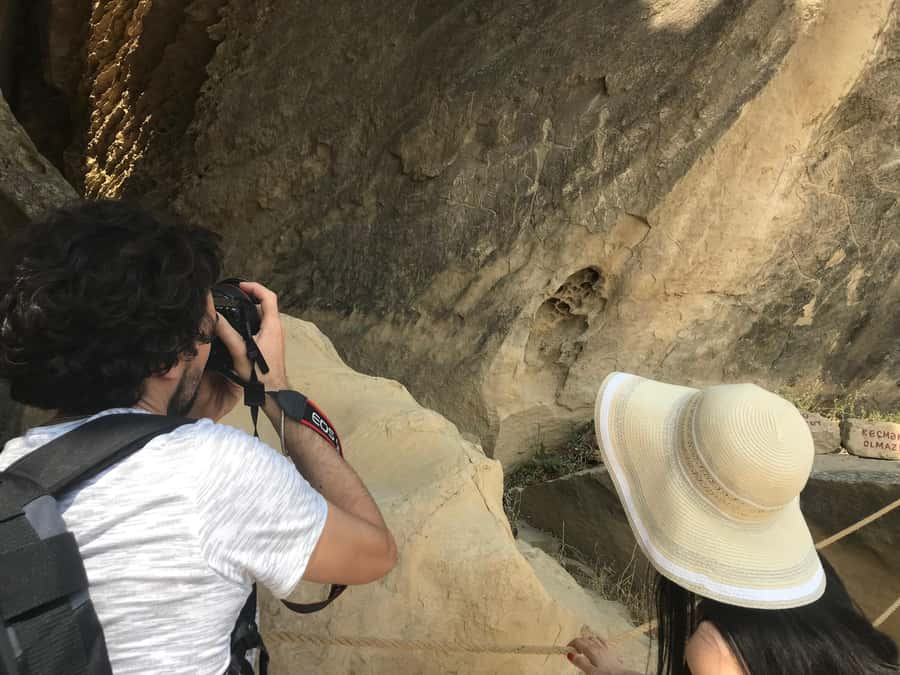
Inside the museum, you get the basic framework for understanding the carvings. Outside, prehistoric images appear on cave walls and exposed rocks. The drawings reflect hunting, daily work, animals, ceremonies, and the way early people understood their surroundings.
I like Gobustan because the carvings are not presented as isolated pictures. They offer clues about an old way of life. You are looking at evidence of human activity, not simply decorative marks on stone. The guide’s explanation helps you read the scenes and understand why the location matters.
The visit lasts about an hour, which is enough for an overview but not for a slow archaeological study. If prehistoric art is your main interest, you may wish the schedule allowed more time. For most people, though, the museum and outdoor visit provide a solid introduction without making the whole day feel like a specialist field trip.
Wear shoes suitable for uneven ground. The outdoor part involves moving around rock surfaces, and your attention will be split between footing, carvings, and the wide views around you. Bring water, especially in warmer months. One summer visitor specifically wished water had been supplied in the vehicle, so carrying your own is sensible.
The mud volcanoes and the memorable Lada ride
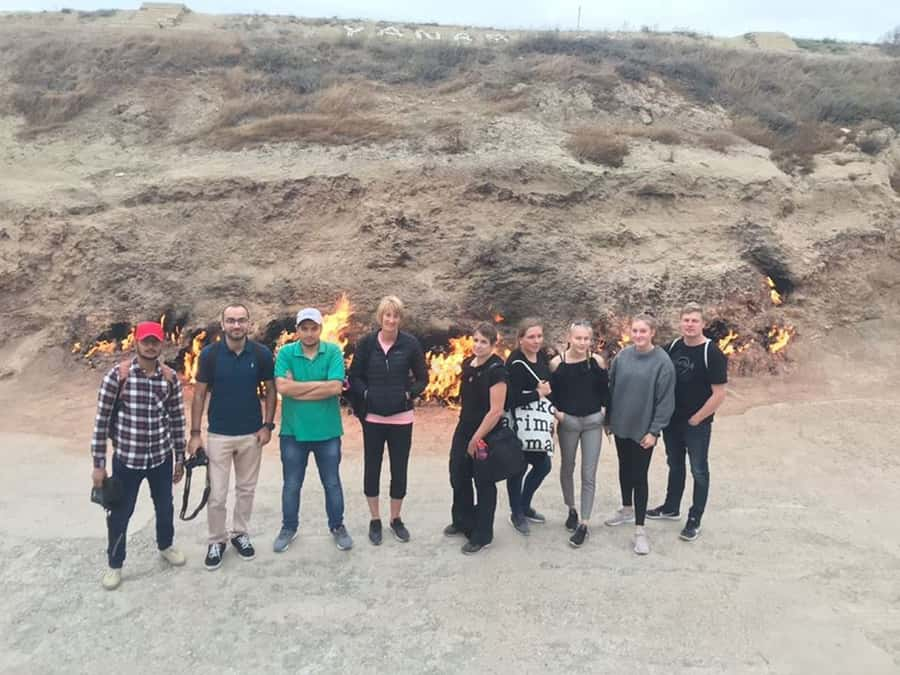
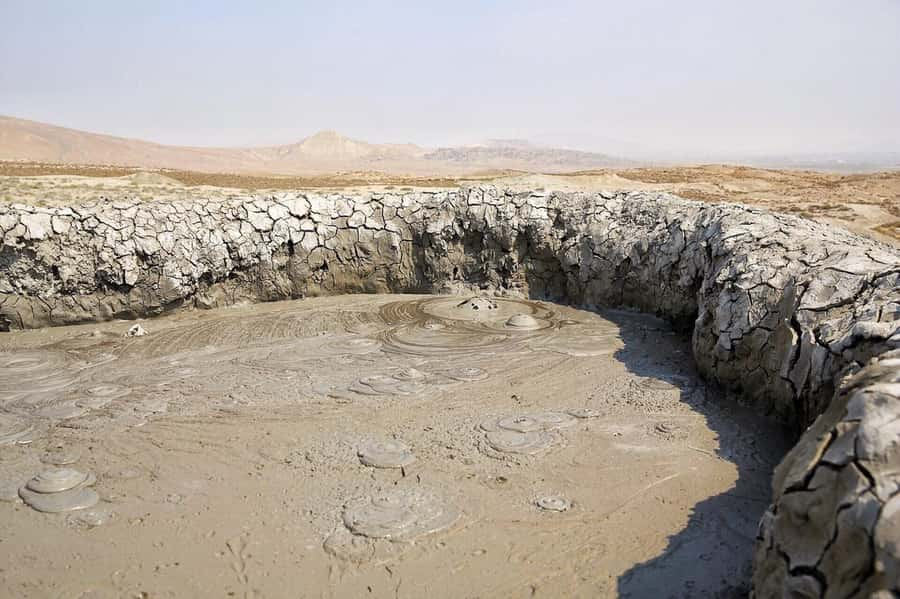
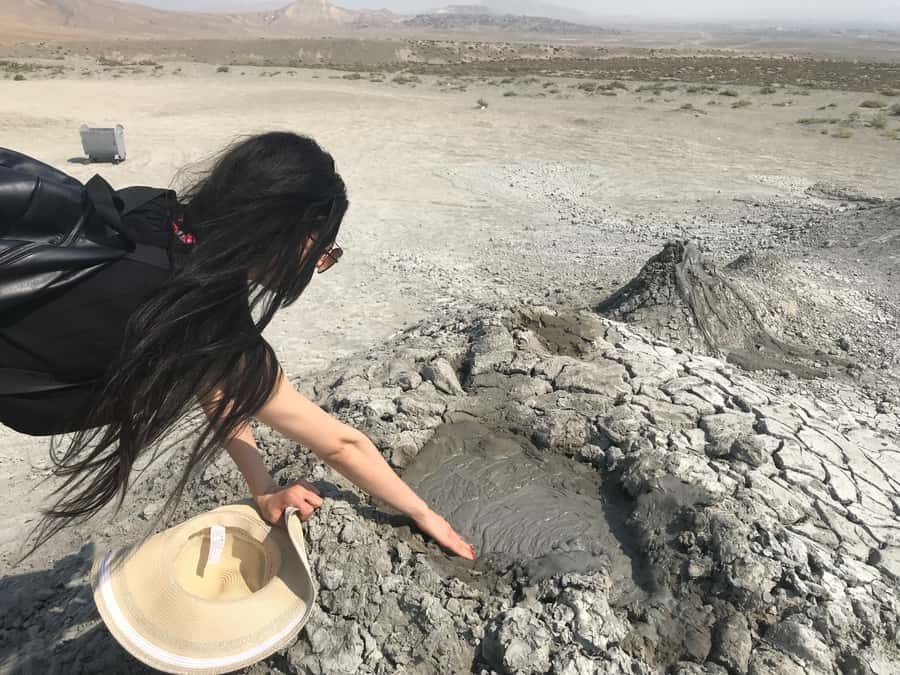
Azerbaijan is home to hundreds of mud volcanoes, and the stop near Gobustan is one of the day’s most unusual moments. These are not lava volcanoes. They push mud and gases toward the surface, creating low, raw formations that look unlike the rest of the route.
The visit itself is short, around 20 minutes, but the transport can be part of the fun. Several people singled out the off-road ride in older Soviet Lada vehicles as a highlight. The rougher ride gives the stop a sense of place and makes the approach feel more like an expedition than a standard coach excursion.
Do not expect a volcanic spectacle on demand. The appeal is the strange ground, the bubbling mud, and the chance to see a geological feature that is easy to miss if you remain in central Baku. Conditions can vary, and the tour skips this stop on rainy days for safety. Heavy rain has caused some departures to leave the volcanoes out.
That weather rule is practical, not a minor footnote. If the mud volcanoes are your top priority, check the forecast and accept that the route may change. The rest of the tour still offers plenty to see, but the volcanic stop is the part most affected by wet ground.
A few more day trips from the world worth a look
- Tuscany Day Trip from Florence: Siena, San Gimignano, Pisa and Lunch at a Winery
★ 5.0 · 21,634 reviews - From Amsterdam: Zaanse Schans, Volendam & Marken Day Trip
★ 4.4 · 18,501 reviews - From Munich: Neuschwanstein & Linderhof Castle Full-Day Trip
★ 4.6 · 14,646 reviews - Florence: Pisa, Siena and San Gimignano Day Trip with Lunch
★ 4.6 · 9,771 reviews
Lunch at a local buffet
After Gobustan and the volcanoes, the group stops at a buffet-style restaurant. Lunch is not included, and the usual cost is about $8 to $12.
The buffet format works well on a busy day because you can choose quickly and sample several Azerbaijani dishes. Dishes and quality can vary, but the food stop gives you a chance to eat something local without spending time searching for a restaurant on your own.
The lunch stop is also the tour’s least consistent element. Some people found the food selection good and the venue pleasant, while others wished the lunch arrangement were better. I would treat it as convenient rather than a major culinary event.
Bring a little flexibility into your schedule. A buffet is useful when everyone has different tastes, but the stop may feel less personal than eating at a small family-run restaurant. Since lunch is extra, budget for it separately from the $29 tour price.
Ateshgah, the fire temple
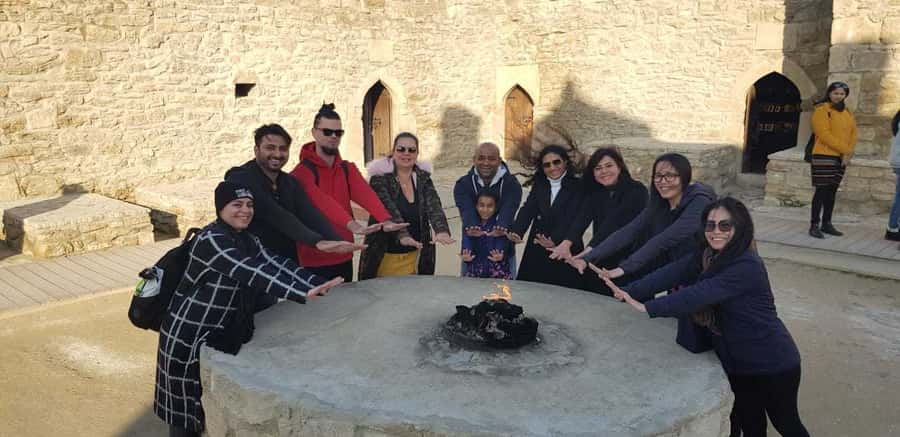
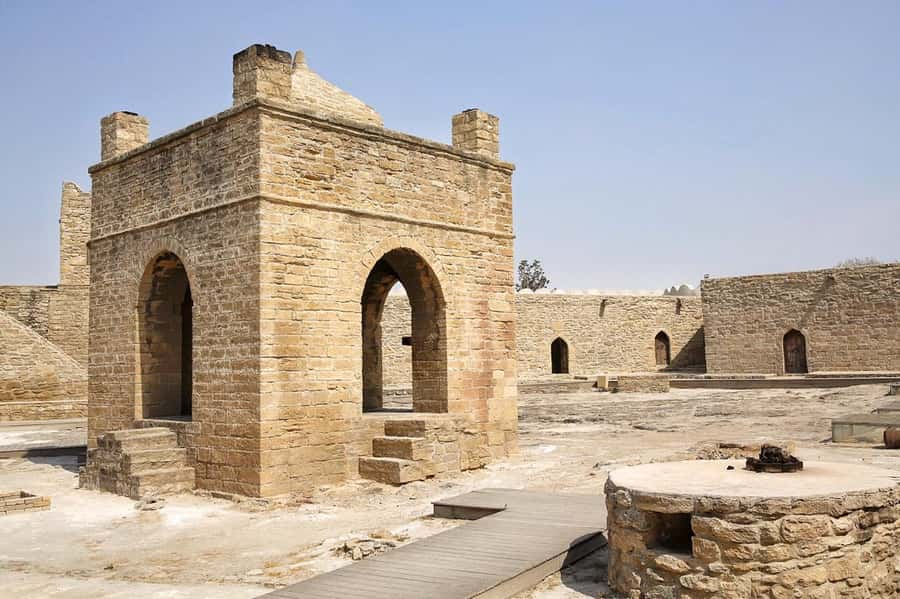
Ateshgah is an ancient Zoroastrian fire temple and former place of worship for fire followers. It is one of the strongest cultural stops because it connects Azerbaijan’s natural flames with a religious tradition that once spread across parts of the region.
The temple complex has a calm, enclosed feel after the open ground of Gobustan. You can study the structure, learn how fire worship shaped the site, and hear how merchants and pilgrims were linked to its past. The visit lasts about 40 minutes, giving you enough time for an explanation and a look around without turning the stop into a long formal museum visit.
I find Ateshgah especially valuable when paired with Yanardag later in the day. At the temple, fire has a religious meaning. At Yanardag, the flame is a natural gas fire burning from the hillside. The two places are different, but together they explain why fire has such a strong place in Azerbaijan’s identity.
The guide’s role is important here. A good explanation prevents the temple from becoming just another old building. Several guides, including Leyla, Elcan, and Ughur, have been praised for adding stories, answering questions, and keeping the history accessible.
Yanardag and the flame on the hillside
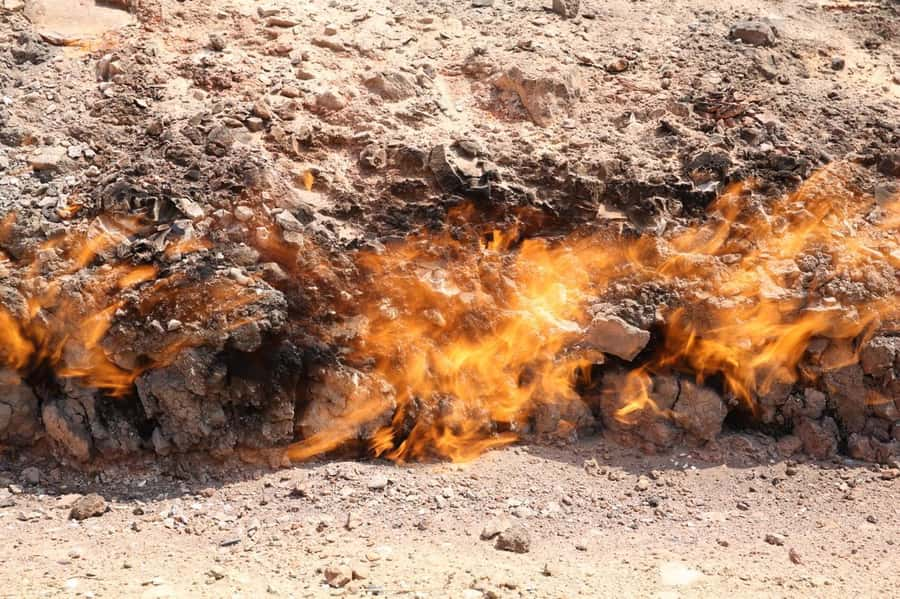
Yanardag, or the burning mountain, is a natural gas fire that burns continuously on a hillside of the Absheron Peninsula. It is the final major sight and one of the easiest places to understand visually: you see flames rising from the ground.
The stop lasts about 30 minutes. That is generally enough because the attraction is compact, though you may want more time for photographs if the area is busy. The flame feels most striking when you consider how naturally it appears from the earth, with no stage machinery or theatrical setup.
Yanardag is not a vast mountain hike. It is a short sightseeing visit, so set your expectations correctly. You are going to see the fire, hear its story, and take in the surrounding area, not spend hours walking through a remote wilderness.
The timing also gives the day a clear ending. After the archaeology and rough terrain of Gobustan, Yanardag provides a simple final image: fire emerging from the Absheron ground. It is an effective last stop before returning to Baku.
Guides, transport, and the pace of the day
The most consistently praised part of this outing is the guiding. Sayed is often described as warm, funny, clear, and passionate about Baku’s past. Mahabat has been praised for careful organization and helpful explanations, while Leyla has been noted for her kindness, photos, and ability to keep commentary simple.
Other guides named by travelers include Elcan, Musa, Samir, Ughur, Aqil, Asaf, Nazir, Irana, Yashar, and Haider. The specific guide depends on the date, but the repeated pattern is useful: expect the quality of the day to depend heavily on who leads your group.
Transportation is included, and hotel pickup and drop-off are provided from a range of listed Baku locations. You meet the guide in your hotel lobby, and the provider contacts you the day before to confirm the pickup time. That makes the start easier, especially if you are staying in a hotel rather than near a central meeting point.
The route is long enough that comfort matters. Reports describe comfortable buses and vans, but the mud volcano excursion may use older off-road Lada vehicles. You get a mixed transport day: regular road travel for the main route and a rougher vehicle for the volcanic area.
The schedule can feel tight. One person specifically wished for more time at the stops, while others found the pace comfortable and the day well organized. If you like lingering over one museum or taking long photographs, this may feel fast. If you want to see many major sights in one day, the pace is a fair trade.
The real value of the $29 price
At $29 per person, this is a strong-value outing. You receive transportation, hotel pickup and return, a professional guide, and entrance fees when you select the option that includes tickets. You would pay much more in time and taxi fares if you tried to arrange Bibi-Heybat, Gobustan, the volcanoes, Ateshgah, and Yanardag separately.
The value is strongest for a first visit to Baku. You get a broad introduction to the region rather than a single attraction. The no-shopping-stop promise also matters because every hour goes toward the route, meals, or sightseeing.
Remember the extras. Lunch costs about $8 to $12, and the included-ticket details depend on the option you choose. The tour is inexpensive, but your total day cost will be higher once you add food.
Free cancellation up to 24 hours before departure and the option to reserve now and pay later make the booking less rigid. The tour is offered in English and Russian, with private and small-group formats available.
Who should book this outing?
I would choose this tour if you have one full day in Baku and want to see the most important sights outside the city without dealing with transport planning. It suits first-time visitors, history fans, photographers, and anyone curious about Azerbaijan’s unusual geology.
It is also a good fit if you prefer guides who explain rather than simply drive you from place to place. The strongest departures seem to be those led by guides who answer questions, share stories, and help with photographs.
I would hesitate if you want a slow, highly focused visit to Gobustan. The route covers too much ground for that. I would also reconsider if rainy weather is forecast and the mud volcanoes are the main reason you are booking.
Should you book this Baku day trip?
Book it if you want a practical, well-priced day covering Gobustan, mud volcanoes, Ateshgah, and Yanardag, with oil history at Bibi-Heybat along the way. The no-shopping format, hotel pickup, and small-group option make it easy to recommend for most short stays in Baku.
Go in expecting a full schedule, an extra charge for lunch, and a possible change if rain closes the volcanic area. With those limits understood, this is one of the most efficient ways to see the fire, stone, and earth that define the region beyond Azerbaijan’s capital.
FAQ
How long does the Baku day trip last?
The tour lasts about six to eight hours, depending on traffic, group timing, and the exact departure schedule.
Is hotel pickup included?
Yes. Pickup and drop-off are included from the listed Baku locations. You meet the guide in your hotel lobby, and the provider contacts you the day before to confirm the pickup time.
What language is the tour conducted in?
Live guiding is available in English and Russian.
Is lunch included in the price?
No. The tour stops at a buffet-style restaurant where you can buy lunch. The usual cost is about $8 to $12.
Will the tour visit the mud volcanoes in rainy weather?
No. The mud volcano stop is skipped on rainy days for safety reasons.
Are entrance tickets included?
Museum tickets and entrance fees are included if you select the option that includes them. Check the chosen booking option carefully.
Can I book a private or small-group tour?
Yes. Private and small-group formats are available.
Just added around the world
- Agadir Morocco: Day Trip To Taroudant & Tiout Oasis with Lunch★ 4.5 · 67 reviews
- Day trip from Agadir to Massa in 4X4★ 5.0 · 31 reviews
- Day Trips from Agadir to Marrakech with Amazing guide★ 4.5 · 26 reviews
- 4WD Agadir Day Trip to Massa★ 5.0 · 39 reviews
- Agadir Day Trip To Legzira & Tiznit★ 3.5 · 20 reviews
- Murray River Day Trip from Adelaide Including Lunch Cruise aboard the Proud Mary★ 4.0 · 105 reviews
- Day Trip From Addis Ababa To Debre Libanos & Portuguese Bridge★ 4.5 · 64 reviews
- Day trip to Adadi Mariyam and Melka kunture★ 4.5 · 20 reviews
Ancient Ruins Day Trips, compared.
Windsor, Stonehenge, Bath, and Roman Baths Day Trip
Read our review →
Volubilis Roman Ruins, Mouly Idriss, & Meknes Day Trip
Read our review →
Cairo Pyramids, Sphinx & Egyptian Museum Day Trip
Read our review →
Discover the Ancient Ruins of Pompeii: Day Trip from Rome
Read our review →
Stonehenge and Bath Day Trip from London with Optional Roman Baths Visit
Read our review →
Mykonos Town: Archaeological Site of Delos Guided Day Trip
Read our review →Browse the lists this tour appears in