
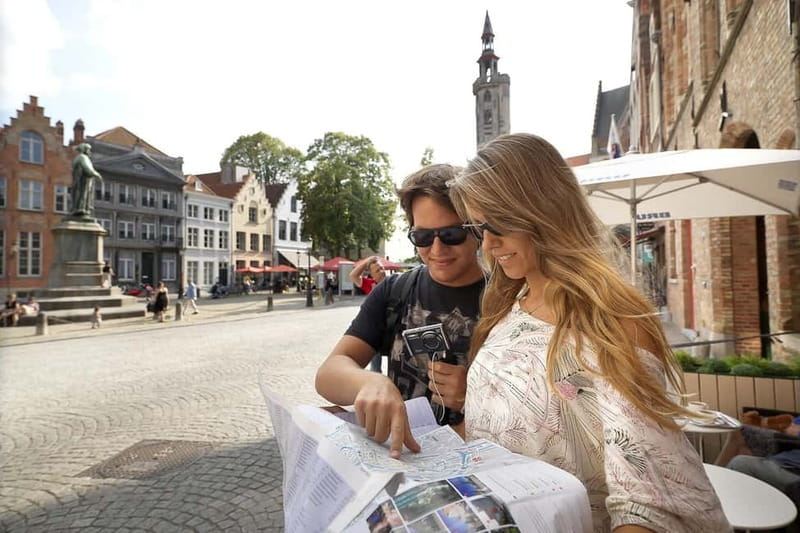
REVIEW · BELGIUM
From Brussels: Bruges Full-Day Trip by Train
Bruges rewards slow looking. This day trip pairs a comfortable train ride with a 2.5-hour guided walk through canals, squares, churches, and quiet corners that are easy to miss alone. I like the efficient route from Brussels and the generous three hours of free time afterward. The main drawback is that the guided portion involves plenty of walking, and some people may find the schedule a little tight for lunch, museums, and shopping.
The strongest part is the guiding. Louise, Louisa, David, Heloise, and Julian have all been praised for bringing Bruges’ history and legends to life without making the walk feel like a lecture. I also like that you can return to Brussels independently, rather than being tied to a single departure. Just remember that the optional canal cruise costs extra, and a train problem or platform change can occasionally slow the day.
Key points to know before booking
- Friday, Saturday, and Sunday departure: Meet at the white umbrella outside the Tourist Information Office on Grand Place at 8:30 AM for the 9:30 AM departure.
- Train travel instead of a coach: The ride from Brussels gives you a comfortable way to reach Bruges and avoids a long road transfer.
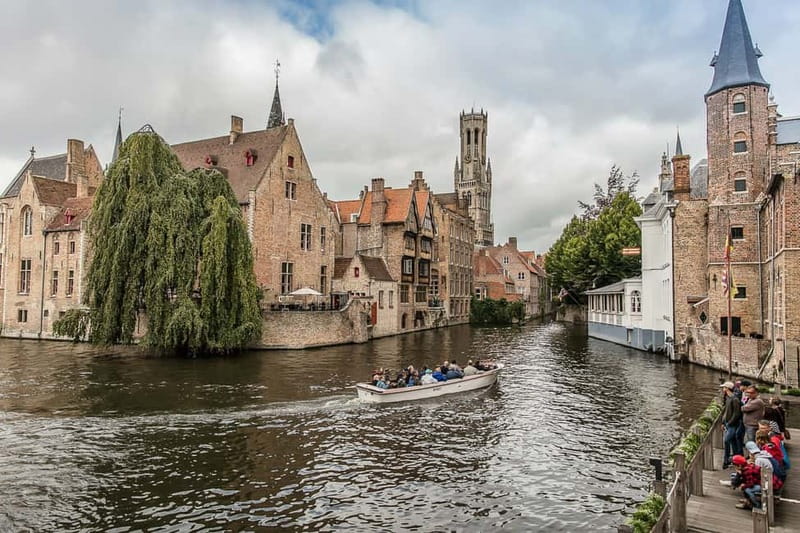
- A serious sightseeing walk: The guided route lasts about 2.5 hours and covers the Beguinage, Market Square, the Fish Market, Tanners’ Square, major churches, and more.
- Three hours to set your own pace: After the walk, you can eat, shop for lace, visit a museum, take a canal cruise, or simply wander.
- Strong guide record: Guides such as Louise, Louisa, David, Heloise, and Julian are repeatedly praised for clear storytelling and personal attention.
- Good value at $70: The price includes return train transport and local guides, while food, drinks, museum entry, and the canal boat are extra.
Why the train makes Bruges an easy day trip
Bruges is one of Belgium’s most rewarding day trips from Brussels, but getting there is only part of the equation. This outing removes the fuss by handling the round-trip train transport and putting a local guide with you once you arrive.
You meet at Grand Place at 8:30 AM, then leave Brussels at 9:30 AM on Friday, Saturday, or Sunday. Look for the white umbrella in front of the Tourist Information Office. That detail matters in a busy square, especially if you are arriving early and do not yet know the group.
I like the train for this route. It gives you a break from city streets and lets you see some of the Belgian countryside on the way. Several people also appreciated being able to return independently rather than having to leave Bruges at one fixed moment.
There is one practical wrinkle. A platform change or delayed train can eat into your morning, as happened on one occasion. That is not something the guide can control, but it is wise not to schedule a Brussels dinner or another timed activity immediately after the eight-hour outing.
The return arrangement is fairly relaxed. At the end of the walking tour, the guide explains the train timetable and how to get back to the station. You can then use your free time and take a later train, with departures to Brussels available several times per hour according to the information provided by one participant.
More train day trips in Belgium:
- From Brussels: Bruges and Ghent Full-Day Trip by Train
★ 4.3 · 103 reviews - From Milan: Bernina Train and St. Moritz Day Trip
★ 4.5 · 4,495 reviews - Salzburg Sightseeing Day Trip from Munich by Rail
★ 4.5 · 3,125 reviews
The first walk: Minnewater and the Beguinage
Bruges reveals itself gradually after you leave the station. The route begins around Minnewater, the peaceful lake and canal area associated with the city’s water system. It is a good opening scene because you move quickly from modern transport into Bruges’ old core.
From there, the walk reaches the Beguinage, also called the Begijnhof. This former women-only religious community is one of the city’s quietest places. Whitewashed buildings surround a calm green space, and the Benedictine convent still gives the area a sense of daily religious life rather than simply serving as a pretty photo stop.
I appreciate this early pause in the itinerary. Bruges can become crowded around its central squares, so the Beguinage gives you a quieter look at the city. Your guide can also explain how the Beguines lived and why these communities were different from ordinary convents.
Wear sensible shoes. The walk is not described as strenuous, but it is long, and the route includes several stops across the historic center. In winter, bring warm clothing. One guide handled a bilingual group by translating between languages, which added time and became less comfortable in cold weather.
De Halve Maan and the story of local brewing
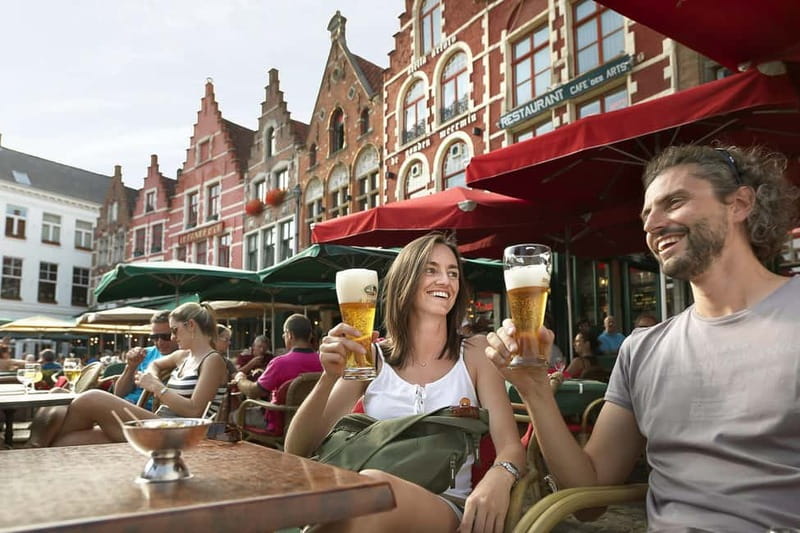
The route includes De Halve Maan, Bruges’ only working brewery. Even if you do not take a brewery visit, the stop gives useful context for one of Belgium’s best-known traditions: beer as part of ordinary social life, not just a souvenir to take home.
The brewery is a practical place to pause and talk about local food and drink. You may want to save your beer tasting for free time, when you can settle into a café rather than trying to rush through it during the walk.
Food is another reason to plan ahead. The classic choices are Belgian beer, chocolate, or moules frites. The guide can point you toward suitable places, and several guides received praise for honest lunch suggestions and recommendations beyond the standard sights.
Do not assume the $70 price covers lunch, drinks, or tastings. It does not. Those costs are yours, so budget separately if you want a full meal and a beer, plus chocolates for the journey home.
Michelangelo and the Hospital of St. John
Bruges packs serious art and architecture into a fairly small center. The walking route points out the Church of Our Lady, famous for its tall brick tower and for Michelangelo’s Madonna and Child in the transept.
This is one of the moments when a guide adds real value. You might walk past the church on your own and admire the tower, but a good explanation helps you understand why the building matters and where to look inside. The itinerary does not promise a full interior visit, so think of this as a guided orientation rather than guaranteed museum time.
The route also includes the Hospital of St. John, a 12th-century institution that now houses the Hans Memling museum. Its age gives you a glimpse into Bruges as a place of care, faith, and commerce, not simply a preserved medieval backdrop.
The stop is especially useful if you enjoy art but have limited time. You learn where the museum is and why it matters, then can decide during free time if you want to return for a closer look. Because the tour later allows only three hours of independent exploration, you may need to choose between museums, shopping, lunch, and the canal boat.
More train rides in Belgium:
- Bangkok: Damnoen Saduak, Train Market & Mahanakhon Day Trip
★ 4.7 · 2,162 reviews - From Munich: Salzburg Day Trip by Train
★ 4.7 · 1,547 reviews - Day Trip to Bangkok Floating Market & Maeklong Railway
★ 5.0 · 1,528 reviews - London: South Downs White Cliffs Day Trip with Train Tickets
★ 4.9 · 1,441 reviews
Market Square, the Fish Market, and Tanners’ Square
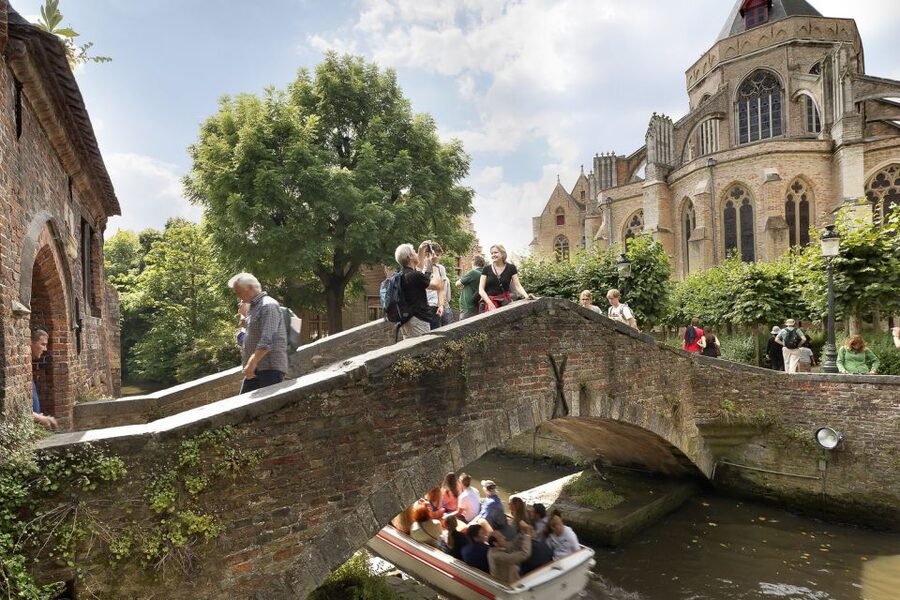
The walk reaches the Markt, or Market Square, where Bruges’ famous guildhalls and Belfry dominate the view. This is the city’s grand public room, and it is the place most people picture before arriving.
Your guide helps turn the square from a postcard into a working piece of city history. The facades belonged to trade groups and civic institutions, and their details make more sense once you know what to look for. You will also hear about the square’s changing role over time.
The Fish Market, or Vis Markt, offers a different feel. It is tied to everyday commerce rather than grand civic display. Tanners’ Square adds another layer, with guildhalls linked to an old trade that shaped this part of the city.
I like that the route includes both the major monuments and these smaller commercial spaces. Bruges is more interesting when you look beyond the Belfry and chocolate shops. Your guide may point out features you would otherwise pass without noticing, including tucked-away spaces and unusual architectural details.
The pace is generally slow, with short rest stops. That helps if you want explanations and photographs, but it also means the formal walk occupies much of the morning. One person felt there was too little time to eat before the guided section ended, so have a light breakfast and carry a small snack.
Groeningemuseum and the final guided sights
The Groeningemuseum is included in the route, giving you an introduction to Bruges’ major art collection. The focus is on location and context, not a guaranteed long museum visit. If early Netherlandish painting interests you, use part of your free time to go inside, provided opening arrangements allow it.
This is where you should manage expectations. A single day cannot give you a full museum visit, a leisurely lunch, a canal cruise, extensive shopping, and a slow look at every church. The guide’s job is to show you the city’s main framework and help you decide what deserves your remaining time.
The best guides make that choice easier. Louise and Louisa were repeatedly praised for pointing out details that many people would miss. David was especially valued for spending time with the group, explaining the city clearly, and offering practical recommendations. Heloise brought energy and humor, while Julian was described as both well organized and easy to like.
The language options are English, Spanish, and French. If your group combines languages, some stops may take longer because the guide must translate. That can be useful if you need another language, but it may reduce the amount of free movement in the morning.
Three hours to eat, shop, or take the canal boat
Once the guided walk ends, you get about three hours to use as you wish. This is the part of the day that keeps the trip from feeling like a rushed checklist.
You can choose a Belgian lunch, browse for lace, return to a church or museum, search for chocolates, or simply sit beside a canal. I would not try to do everything. Pick one main activity and leave time for wandering, because Bruges rewards a slower afternoon.
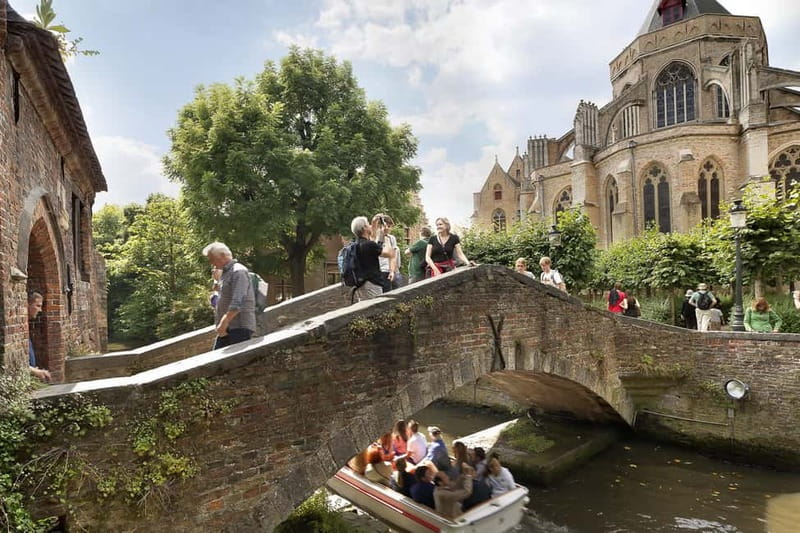
The canal cruise is optional and costs extra. It is widely considered worth the additional fee because it shows the city from water level, where bridges, narrow facades, and canal-side buildings form a different view from the streets.
If you want the boat ride, ask your guide when the best time is and protect that slot. You can also skip it and use the afternoon for food or museums. The tour does not force you into the extra activity, which is useful for keeping the day within your budget.
Lunch timing deserves attention. One early experience involved a group that was not released until around 3 PM and had been walking since breakfast. Start with enough food in you, and consider carrying a snack. Bruges has plenty of places to eat, but waiting for a table or studying a menu can use a large part of your short afternoon.
Is $70 a fair price for the day?
At $70 per person, the price is reasonable if you want structure and historical background. You are paying for the return train transportation and local guiding, not a package that includes every attraction.
The value is strongest for a first visit. A good guide shows you the major sights in a logical order, explains the city’s stories, and helps you use your free time well. You also avoid figuring out the train connection and return journey on your own.
The value is less clear if you already know Bruges and mainly want an unplanned day. In that case, the 2.5-hour walk may feel like a commitment, especially if you would rather spend the whole day taking photographs, eating, or visiting museums.
Extra expenses include lunch, drinks, chocolate, museum admission where applicable, and the optional canal cruise. Even so, the train and guide included in the fee make this more than a basic transport ticket. One person felt other companies were cheaper but still considered this outing good value because of the organization and guide.
The cancellation terms are friendly: you can cancel up to 24 hours ahead for a full refund. You can also reserve now and pay later, which helps if your Brussels plans are still shifting.
Who will enjoy this Bruges outing most?
I would choose this trip if you want a clear introduction to Bruges without spending a night there. It suits first-time visitors, couples, families able to walk for several hours, and anyone who likes stories about architecture, art, religion, and local customs.
It is also a good match if train travel appeals to you. The ride is more comfortable than a long coach transfer, and the return flexibility lets you stay for a later meal or beer.
You may prefer an independent day if you dislike set walking tours or need a very slow pace. The guide keeps the group moving, even with regular stops, and the free time comes after the main sightseeing rather than before it.
For winter visits, wear warm clothes and good walking shoes. For rainy weather, bring proper protection. Bad weather does not cancel the city’s beauty, but it can make a long morning on foot tiring.
Should you book this Brussels to Bruges trip?
Book it if you want the basics handled and the city explained by a local guide. The combination of train transport, a well-planned historic walk, and three hours of personal time gives you a solid first look at Bruges for $70.
I would skip it only if you already have a detailed Bruges plan or want complete freedom from the start. Otherwise, the guides are the main reason to choose it. Names such as Louise, Louisa, David, Heloise, and Julian come up repeatedly for good reason: the right guide can show you the city’s small details, not just its famous square.
Plan for a proper breakfast, comfortable shoes, extra money for lunch and the canal cruise, and a little patience if the railway schedule changes. Do that, and this makes a practical, enjoyable day out from Brussels.
FAQ
Where does the Bruges tour meet in Brussels?
Meet at 8:30 AM in front of the Tourist Information Office on Grand Place. Look for the white umbrella.
Which days does the tour depart?
The train departs from Brussels at 9:30 AM every Friday, Saturday, and Sunday.
How long is the guided walk in Bruges?
The guided walking tour lasts about 2.5 hours. Afterward, you get about three hours of free time.
What languages are available?
The live tour guide is available in English, Spanish, and French.
Is the canal cruise included?
No. The canal cruise is optional and costs extra.
What is included in the $70 price?
The price includes round-trip train transportation between Brussels and Bruges, plus local guides. Food, drinks, and the optional canal cruise are not included.
More 1-Day Tours in Belgium
- From Brussels: Guided Day Trip to Bruges and Ghent
★ 4.6 · 8,353 reviews - From Amsterdam: Bruges Day Trip in English with Boat Option
★ 4.4 · 1,989 reviews - From Amsterdam: Bruges Day Trip in Spanish with Boat Option
★ 4.6 · 1,866 reviews - Luxembourg and Dinant Day Trip from Brussels
★ 4.0 · 1,474 reviews
More full-day trips in Belgium
- From Brussels: Flanders Fields Remembrance Full-Day Trip
★ 4.4 · 65 reviews - From Bruges: Flanders Fields Remembrance Full-Day Trip
★ 4.8 · 65 reviews - From Munich: Neuschwanstein & Linderhof Castle Full-Day Trip
★ 4.6 · 14,646 reviews - From Marrakesh: Essaouira Full-Day Trip
★ 4.6 · 8,137 reviews
Just added around Belgium
- From Brussels: Flanders Fields Remembrance Full-Day Trip★ 4.4 · 65 reviews
- From Paris: Day Trip to the Enchanting Brussels and Bruges★ 4.2 · 323 reviews
- From Brussels: Day Trip to Ghent with Atomium in English★ 4.5 · 88 reviews
- From Brussels: Bruges and Ghent Full-Day Trip by Train★ 4.3 · 103 reviews
- From Brussels: Day Trip to Ghent with Atomium★ 4.7 · 192 reviews
- From Bruges: Flanders Fields Remembrance Full-Day Trip★ 4.8 · 65 reviews
- From Amsterdam: Day Trip to the Charming Brussels and Bruges★ 4.6 · 264 reviews
- From Amsterdam: Day Trip to Bruges in Spanish or English★ 4.6 · 357 reviews
Train and Cable Car Day Trips, compared.
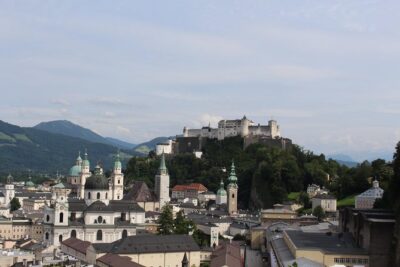
Salzburg Sightseeing Day Trip from Munich by Rail
Read our review →
Damnoen Saduak, Train Market & Mahanakhon Day Trip
Read our review →

Day Trip to Bangkok Floating Market & Maeklong Railway
Read our review →
Zakopane, Funicular, Cheese, and Highland Day Trip
Read our review →
South Downs White Cliffs Day Trip with Train Tickets
Read our review →
Delhi to Agra and Taj Mahal Private Day Trip by Express Train with Lunch
Read our review →Browse the lists this tour appears in