
REVIEW · GERMANY
From Berlin: Sachsenhausen Concentration Camp Day Trip
History asks for your attention here. This five-hour trip from central Berlin to Sachsenhausen combines a guided visit with the sobering experience of entering the camp through its main gate. I like the small groups of up to 15 people, which make it easier to hear the guide and ask careful questions. I also like that the guide helps with the public transport journey, rather than leaving you to work out the trip to Oranienburg alone.
The main drawback is that the ABC train ticket costs extra, and the tour takes place rain or shine. You will also spend much of the day walking and listening to difficult history, so this is not a casual outing or a quick photo stop. Guides named Will, Tina, Julie, Xavier, and others have received especially warm praise for clear, thoughtful storytelling.
Key points to know before you book
- The tour starts at Berlin’s Red Town Hall: Meet your guide at the main entrance to the Rotes Rathaus before taking the train to Oranienburg.
- Sachsenhausen was built in 1936 as a model camp: The guide explains how the Nazis intended it to serve as a pattern for other concentration camps.
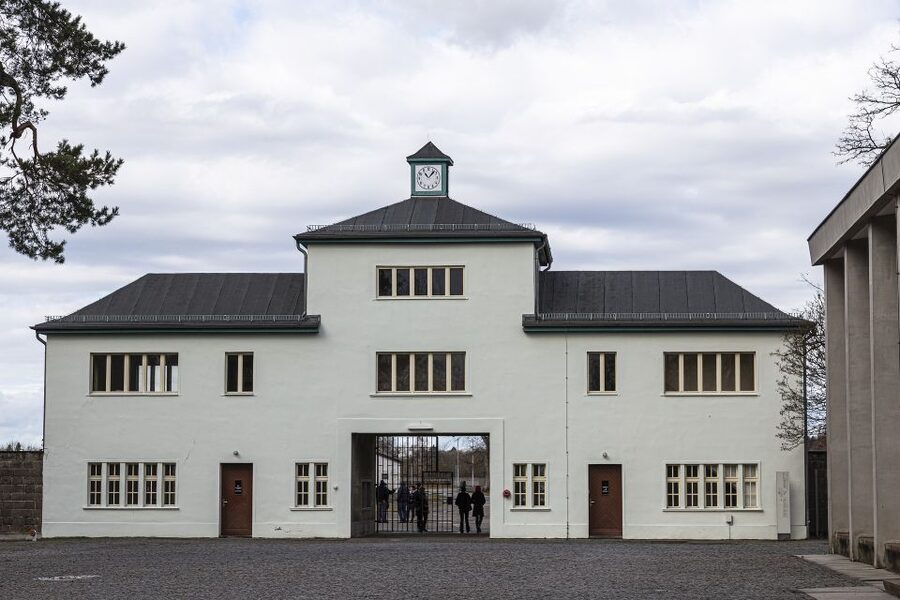
- You enter through the camp’s main gate: This gives the visit a powerful sense of place before the walking tour begins.
- The ABC train ticket is not included: Bring a valid public transport ticket covering Berlin’s ABC zones.
- Small groups make the history easier to follow: The group is limited to 15 people, with an English-speaking live guide.
- The visit ends with time for reflection: A memorial to the victims provides a quiet place to pay your respects.
From Berlin’s Red Town Hall to Oranienburg
Your meeting point is in front of the entrance to Berlin’s Red Town Hall, or Rotes Rathaus, in the city center. From there, you travel by train to Oranienburg, the town closest to Sachsenhausen. The train ride is part of the practical value of the tour because your guide helps the group manage the public transport journey.
You need to buy your own ABC zone train ticket. That extra cost is easy to overlook when comparing tour prices, so factor it into your budget. The activity itself costs $32 per person, which is a low price for a five-hour guided visit, but it does not cover transport.
The public transport arrangement also means this is not a hotel pickup tour. You must get to the Red Town Hall on your own and return there at the end. That is simple for anyone already staying in central Berlin, but less convenient if your accommodation is far outside the center.
The journey to Oranienburg adds useful context. You are not being driven straight from a hotel to a museum entrance and back. Instead, the camp visit forms part of a wider day outside Berlin, with the guide handling much of the route-finding. One especially useful detail from the tour experience is that guides have helped groups keep going even when train service became difficult.
A few more day trips from Germany worth a look
- From Munich: Neuschwanstein & Linderhof Castle Full-Day Trip
★ 4.6 · 14,646 reviews - From Munich: Neuschwanstein Castle Full-Day Trip
★ 4.7 · 3,977 reviews - Salzburg Sightseeing Day Trip from Munich by Rail
★ 4.5 · 3,125 reviews
Entering Sachsenhausen through the main gate
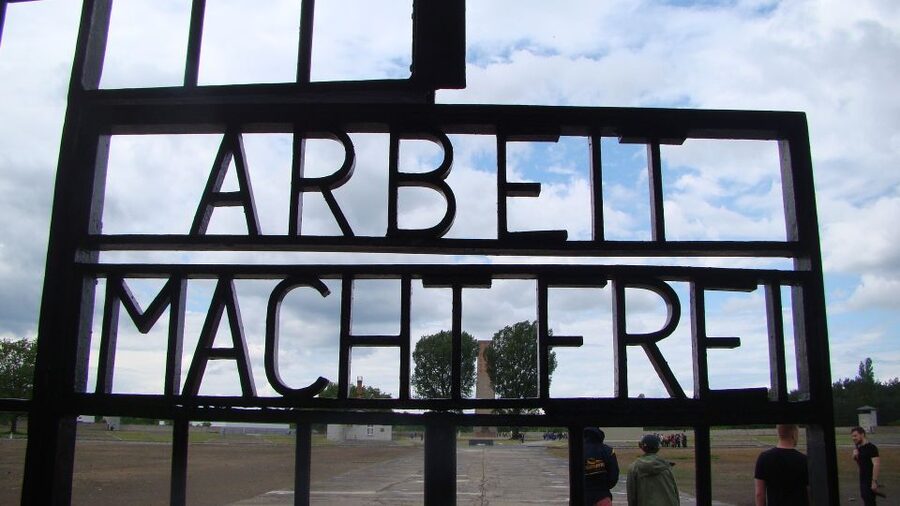
After arriving in Oranienburg, you enter Sachsenhausen through the main gate. This is one of the most affecting parts of the tour because the visit begins at the actual entrance to the former Nazi camp, not with a general introduction in a modern meeting room.
The gate gives the tour a clear starting point. Your guide can explain the camp’s creation in 1936 and its intended role as a model for other Nazi camps. That detail matters because Sachsenhausen was not presented simply as an isolated place of imprisonment. It was meant to serve as an example of how the camp system could be organized and operated.
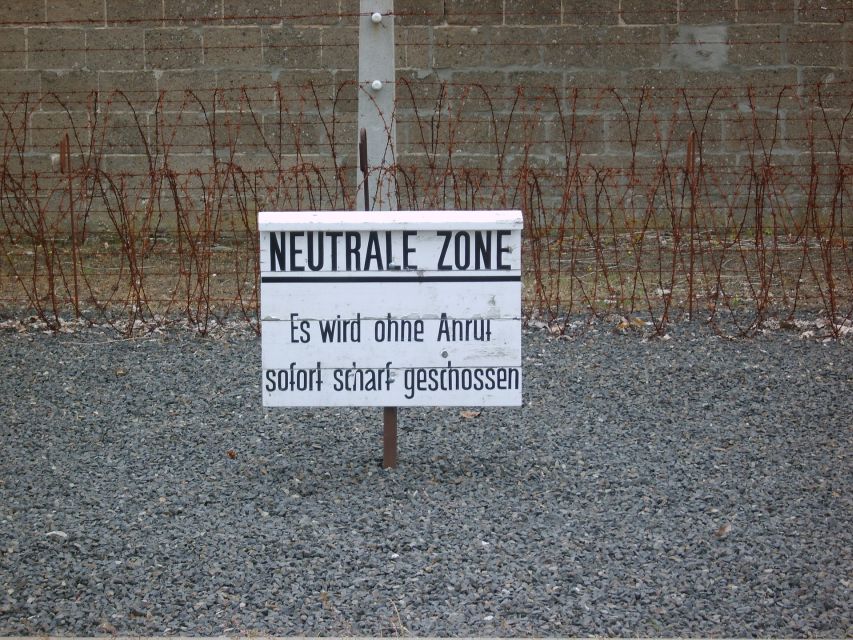
You should expect a serious tone from the moment you arrive. This is a memorial site connected to persecution, imprisonment, and death. The visit asks you to listen closely and think about the people affected, not to treat the location as another sightseeing stop.
The main gate also makes the scale and purpose of the site easier to grasp. You are beginning at a point that once controlled movement into and out of the camp. The guide’s explanation gives meaning to the physical setting, helping you understand why the entrance is such an important part of the visit.
Understanding who was imprisoned and why
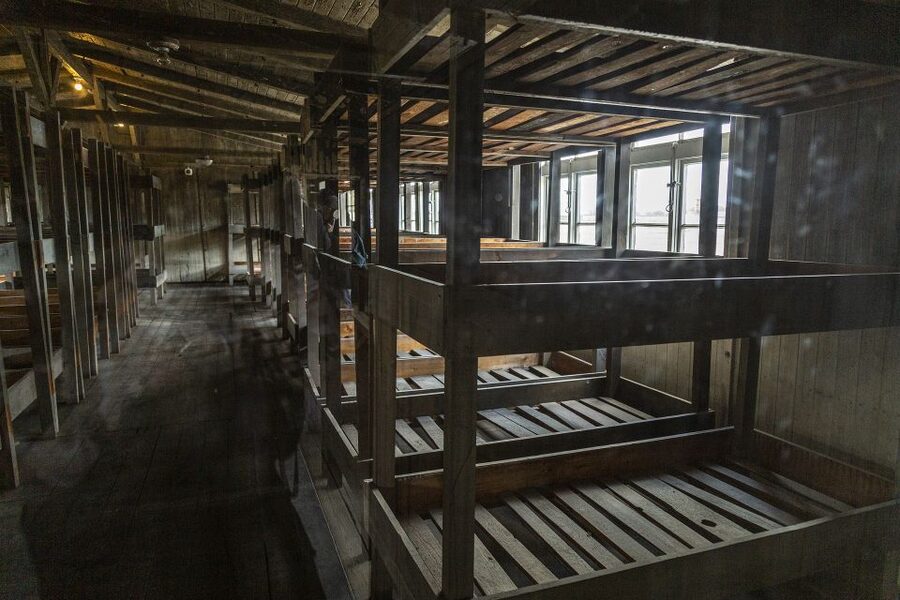
The walking tour explains who was held at Sachsenhausen and why the Nazis targeted different groups. The focus includes political prisoners and other persecuted groups, along with the broader machinery of Nazi repression.
This part of the visit is where a live guide adds real value. You are not simply reading labels on your own. The guide connects the camp’s purpose to the historical events that led to its creation, then explains the experiences of both victims and persecutors.
The best guides use personal stories and carefully chosen words to make the history understandable without turning it into entertainment. Tina has been praised for using quotations and poems from people connected with the camp’s story. Will has also been described as passionate, clear, and easy to listen to, including when explaining the subject to a family with two children.
That kind of storytelling can help you understand the human cost behind broad terms such as political prisoner or persecuted group. At the same time, you should expect the material to be upsetting. Parents need to decide for themselves how suitable the subject is for their children, even though one family found the guide’s explanations accessible.
You will have opportunities to ask questions. The guide can respond to points that interest you, clarify difficult parts of the history, and explain details that may be hard to take in during a single walk. With no more than 15 people, the group is small enough for this exchange to feel possible rather than rushed.
The walking tour and its pace
The Sachsenhausen visit is a guided walking tour, and the full activity lasts about five hours, including the journey from Berlin. You should wear shoes and clothing suited to a day outside. The instructions specifically call for weather-appropriate clothing because the tour runs in rain or sunshine.
That rain-or-shine policy is worth taking seriously. Much of the experience takes place outdoors, and poor weather can make an already serious visit more tiring. Pack for the forecast, but do not assume the tour will be postponed because of rain.
The pace will depend on the guide, the group, and the questions asked. You should allow the full five hours rather than planning another tightly timed activity immediately afterward. The return is to the original meeting point at the Red Town Hall, so you can use that location as your end-of-tour reference.
The walking itself is not the only physical consideration. Concentration is part of the effort. You will be listening to difficult accounts, moving from one part of the site to another, and trying to absorb a large amount of historical information. A slower, thoughtful pace suits this place better than a rushed checklist.
Same base, a completely different day out:
- From Munich: Dachau Memorial Site Half-Day Trip
★ 4.7 · 2,526 reviews - From Munich: Rothenburg and Romantic Road Day Trip by Bus
★ 4.5 · 2,168 reviews - Neuschwanstein Castle and Linderhof Palace Day Trip from Munich
★ 4.5 · 1,756 reviews - From Frankfurt: Rhine Valley Day Trip
★ 4.4 · 1,317 reviews
The memorial and the need for quiet reflection
The visit includes a stop at the memorial to the victims. This is not just a final attraction added to the route. It gives you a chance to pause after hearing about the camp and to pay your respects.
I value this kind of ending because it prevents the tour from finishing with a last fact and a quick walk back to the station. A memorial asks you to stop thinking only in terms of dates, institutions, and political categories. It brings the focus back to the people who suffered.
Your response to this part will be personal. Some people may want silence, while others may need to ask a final question. The guide’s role is to create space for respect, not to force a particular emotional reaction.
The memorial also helps give shape to the five-hour experience. You start with the journey from Berlin, enter through the main gate, learn how the camp developed and whom it targeted, then finish with a place for remembrance. That structure makes the day easier to follow and gives the visit a clear purpose.
What the guide adds for $32
At $32 per person, this is strong value if you want an organized, English-language introduction to Sachsenhausen. Entry to the camp and a live guide are included. The group is limited to 15, which is a useful middle ground: smaller and more personal than a large coach group, but usually less expensive than a private tour.
The price does not include the ABC public transport ticket. That is the chief extra expense, along with anything you choose to eat or drink during the day. Since there is no hotel pickup, you also need to pay for your own transport to and from the Red Town Hall if needed.
I would not choose this tour only because it is inexpensive. Sachsenhausen deserves careful attention, and the main reason to book is the guide’s interpretation. The strongest guide feedback centers on clear explanations, personal stories, willingness to answer questions, and help with the trains.
Names that have received particularly positive praise include Tina, Will, Julie, and Xavier. Tina is noted for detailed explanations, quotations, and poems. Will is described as informative, passionate, and easy to follow. Julie made such a strong impression that one couple chose to join another walking tour with her the following day. Xavier is praised for his strong command of the subject.
Guiding quality can vary from one departure to another, so you should not assume you will receive one particular guide unless the booking clearly identifies that person. Still, the pattern of praise points to a tour company that places real weight on explanation rather than simply escorting people from Berlin to the site.
Who will get the most from this visit
This trip suits you if you want historical context, a guided route, and help with the train journey. It is especially useful if you are visiting Berlin for the first time and want to understand how the city’s Nazi-era history extends beyond the central sights.
You will probably appreciate it if you prefer asking questions rather than reading every panel alone. The English-language guide, small group size, and five-hour format allow the visit to feel structured without being entirely rigid.
Families can consider the tour, but the subject is severe. One family with two children found Will’s narration informative and easy to understand, yet every parent should think about the children’s age and ability to process accounts of imprisonment and persecution.
This is less suitable if you want a light day trip, a relaxed excursion, or a tour with plenty of free time. It is also not the best choice if you dislike public transport or want door-to-door service. You will need to manage the ABC ticket and meet at the Red Town Hall.
The activity is wheelchair accessible, which broadens its usefulness, though the supplied information does not describe every surface or part of the route. If access needs are important for your booking, ask for current route details before you go.
Practical tips for a respectful visit
Wear weather-appropriate clothing and comfortable footwear. The tour runs in all weather, so a rain jacket or other protection can make a real difference to your comfort.
Bring your public transport ticket, or plan to buy the required ABC zone ticket before departure. The guide meets you at the Red Town Hall, not at your hotel, and the activity returns there at the end.
Give yourself enough time to find the meeting point. Arriving flustered can make the train departure harder, especially when the group is waiting to travel together.
Keep your expectations serious and patient. The value of this experience comes from listening, asking thoughtful questions, and allowing the memorial setting to remain a place of remembrance. It is not designed around quick entertainment or a packed list of attractions.
The tour has a free cancellation policy up to 24 hours before departure, and you can reserve now while paying later. Those terms help if your Berlin schedule is still shifting, but the more important choice is finding a time when you can give the visit your full attention.
Should you book the Sachsenhausen day trip?
Book this tour if you want a reasonably priced, small-group introduction to Sachsenhausen with an English-speaking guide and help getting there by train. The $32 price offers good value because entry and guiding are included, and the limit of 15 people should keep the experience manageable.
I would especially recommend it to first-time visitors to Berlin, history-minded families who have considered the subject carefully, and anyone who prefers spoken explanation to exploring alone. The positive guide feedback, especially for Tina, Will, Julie, and Xavier, is a strong reason to choose this format.
Skip it if you want a carefree day, dislike solemn memorial sites, or need hotel pickup. Also remember that the train ticket is extra and the tour runs in every kind of weather. For the right visitor, though, this is a thoughtful and practical way to visit Sachsenhausen and understand why the site matters.
FAQ
Where does the Sachsenhausen tour start?
The tour starts in front of the entrance to Berlin’s Red Town Hall, known as the Rotes Rathaus.
Where does the tour end?
The activity ends back at the meeting point at the Red Town Hall.
How long does the tour last?
The tour lasts about five hours. Starting times vary, so check availability when booking.
Is the train ticket included?
No. You need to purchase an ABC zone public transport ticket separately.
Is entry to Sachsenhausen included?
Yes. Entry to the Sachsenhausen Concentration Camp is included.
What language is the tour in?
The live tour guide speaks English.
What happens during the visit?
You travel by train from central Berlin to Oranienburg, enter Sachsenhausen through the main gate, join a guided walking tour, learn about the camp’s creation and victims, and stop at the memorial.
Is the tour wheelchair accessible?
Yes, the activity is listed as wheelchair accessible.
Can I cancel the booking?
Yes. You can cancel up to 24 hours in advance for a full refund. You can also reserve now and pay later.
Just added around Germany
- Day Trip to Rothenburg from Frankfurt★ 4.6 · 25 reviews
- From Munich: Nuremberg Day Trip by Train★ 4.4 · 357 reviews
- From Strasbourg: Black Forest and Baden Baden Day Trip★ 4.8 · 95 reviews
- From Prague: Bastei and Dresden Small-Group Day Trip★ 4.9 · 25 reviews
- From Hamburg, Brunsbüttel or Cuxhaven: Day Trip to Helgoland★ 4.6 · 290 reviews
- From Dresden: Bohemian & Saxon Switzerland Day Trip★ 4.8 · 64 reviews
- From Alken: Return Day Trip by Boat to Cochem★ 4.6 · 141 reviews
- Frankfurt: Day Trip to Eltz Castle★ 4.7 · 27 reviews
Day Trips from Germany, compared.
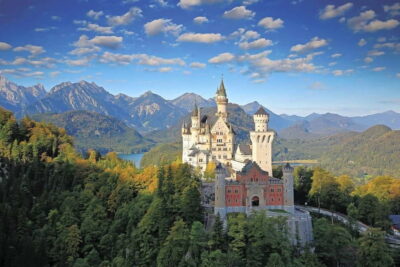
Neuschwanstein & Linderhof Castle Full-Day Trip
Read our review →
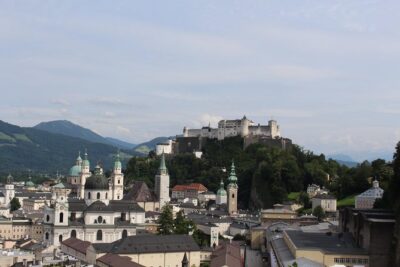
Salzburg Sightseeing Day Trip from Munich by Rail
Read our review →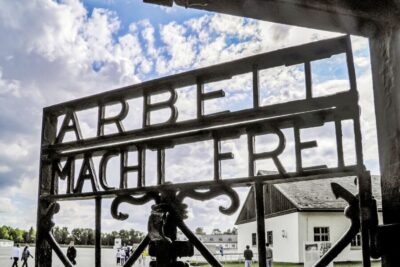
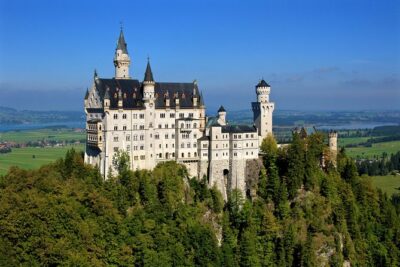
Neuschwanstein Castle and Linderhof Palace Day Trip from Munich
Read our review →
Browse the lists this tour appears in