
REVIEW · BULGARIA
Plovdiv: Valley of the Thracian Kings Guided Day Trip
Ancient Bulgaria comes alive beyond Plovdiv. This 10-hour trip links the Kazanlak royal tombs with Roman ruins, a medieval mosque, and a 7th-millennium-BC settlement, giving you a rare sweep through Bulgarian history in one day. I especially like the small group size, limited to eight people, and the fact that entrance fees, hotel transport, and an English-speaking history and archaeology guide are included.
I also like the strong focus on places you would find difficult to connect by public transport in a single day. Guides such as Ivo, Ivan, Krasi, Krasimir, and Lubo have been praised for clear explanations and a friendly manner. The main drawback is the amount of time spent on the road, plus the possibility that Kazanlak and Stara Zagora may feel gray and plain rather than picture-perfect, particularly outside the warmer months.
Key points to know before booking
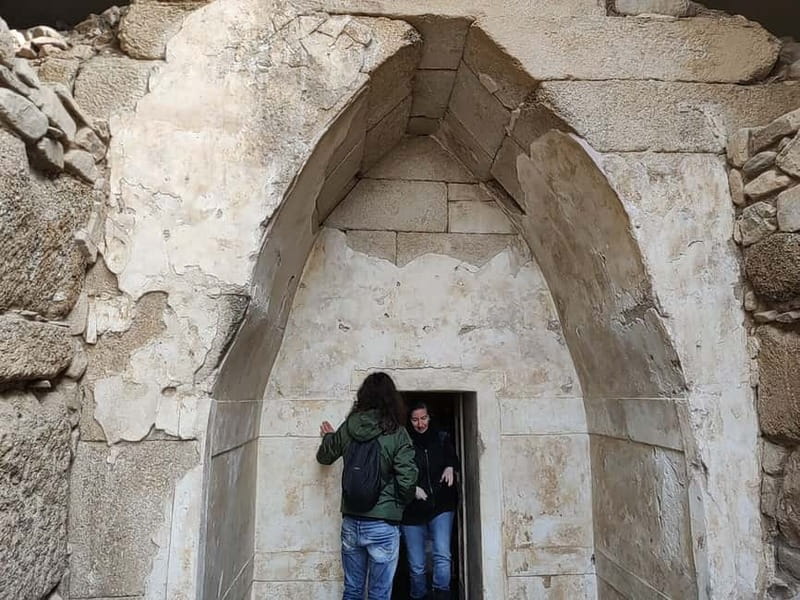
- Five Thracian tombs near Kazanlak: You explore burial sites linked to rulers and elites from more than 2,000 years ago.
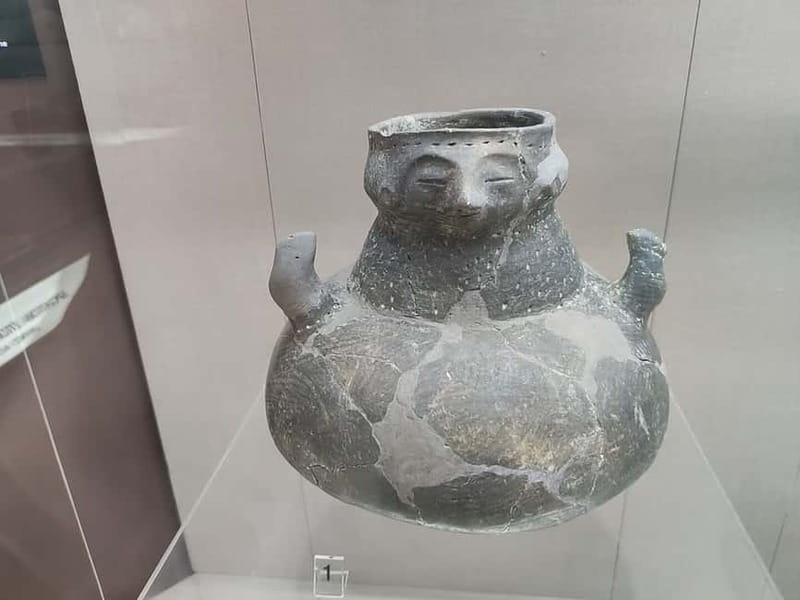
- A seven-thousand-year jump through time: The Neolithic Dwellings Museum takes you back to the 7th millennium BC, before the Thracian and Roman periods.
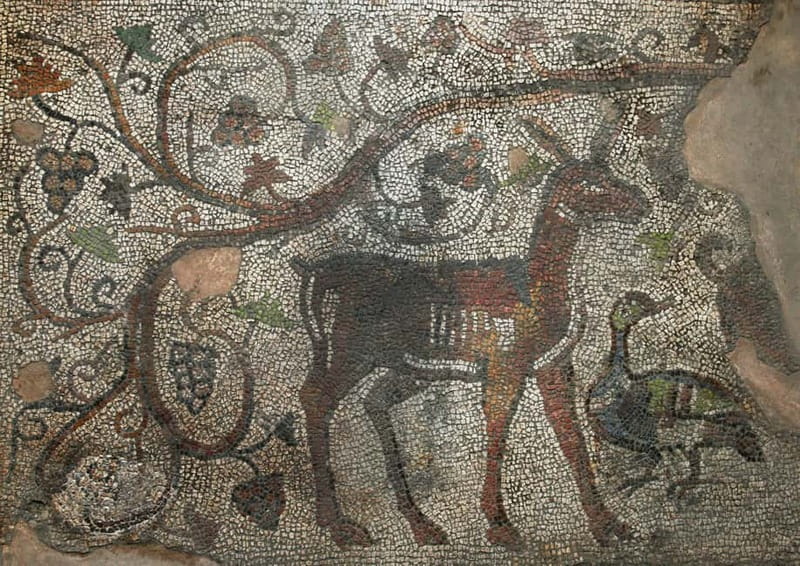
- Roman streets and mosaics in Stara Zagora: Augusta Trayana preserves original streets, a civic meeting place, and a Roman house with striking mosaics.
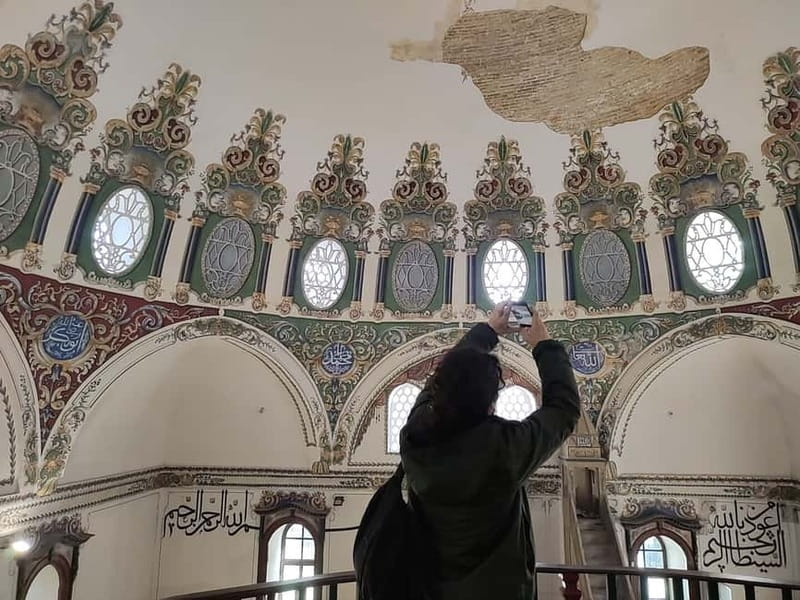
- A mosque that became a museum: The Museum of Religions occupies Eski Mosque, an early 15th-century building with layers of religious history.
- Small-group transport from Plovdiv: Pickup and drop-off at your accommodation make this a practical day away from the city.
- Good value for serious history fans: At $116 per person, the price covers transport, guiding, and entrance fees, but not lunch.
Why this day trip covers so much ground
Plovdiv is one of Bulgaria’s best bases for ancient sites, but the most rewarding places are spread across central Bulgaria. This outing takes you east toward Kazanlak and Stara Zagora, then returns to Plovdiv after a full day of visits.
The timeline is the real strength. You begin with the Neolithic period, move forward to the Thracians, then see the Roman city of Augusta Trayana and a later religious site in Stara Zagora. Instead of looking at one isolated monument, you get a basic map of how people lived in this part of Bulgaria across thousands of years.
That broad sweep also demands some patience. The drive to the Valley of the Thracian Kings takes about two hours, and the full program lasts around 10 hours. You should not book this expecting a relaxed half-day outing. It is a full history day, with several stops and plenty of time in the vehicle.
Pickup is scheduled for 8:00 in the morning from your hotel or accommodation in Plovdiv. Since the group is limited to eight people, the outing should feel more personal than a large coach tour. That matters here because the quality of the guide shapes the day. The sites need context, and the best part of each stop is understanding what you are seeing rather than simply walking past old stones.
More valley day trips in the world:
- Loire Valley Castles Day Trip from Paris with Complementary Wine
★ 4.5 · 3,907 reviews - From Las Vegas: Grand Canyon South Rim Day Trip
★ 4.3 · 2,147 reviews - Ourika Valley Day Trip from Marrakech with Guide & Lunch
★ 4.9 · 2,065 reviews
Reaching the Valley of the Thracian Kings
The first major stop is the Kazanlak area, known for its collection of Thracian burial mounds and tombs. The wider valley is associated with the Thracian civilization, which flourished in this region more than 2,000 years ago.
The tour includes a visit to five tombs. Their purpose was not simply practical burial. These were ceremonial places tied to rulers, status, beliefs about death, and the display of wealth. Your guide explains the customs and beliefs behind the structures, helping you picture the political world that produced them.
The surroundings add to the mood. The valley is bordered by green forest, giving the tombs a quiet setting away from city traffic. You might find the experience more atmospheric than dramatic. Many of the structures are ancient archaeological sites rather than large, restored monuments, so the guide’s explanation is essential.
One important note: the tour description identifies the Valley of the Thracian Kings as a UNESCO World Heritage Site. The Kazanlak Thracian Tomb itself is the best-known UNESCO-listed monument in this area. Either way, the value of the stop comes from seeing several connected burial sites rather than treating the famous tomb as a single, isolated attraction.
The quality of the guiding has been one of the strongest parts of this trip. Ivo has been praised for his grasp of Balkan history, while Lubo has been singled out for turning a long day into an enjoyable one. Krasi has also been praised for providing a smooth ride, cold drinks, and clear direction throughout the day. Those details matter when you are visiting five tombs and several museums in one outing.
What to expect inside the Thracian tombs
You should bring comfortable shoes. The tour involves walking between archaeological sites and museum buildings, and the day includes several stops rather than one short visit.
The tombs offer a look at how the Thracians honored their dead and expressed power. You will learn about the people buried there, the role of burial mounds, and the customs connected with death and the afterlife. The exact presentation can vary by site, but the overall effect is a close look at a civilization that left behind impressive burial architecture despite the absence of a large surviving written record.
This is a better stop for people who enjoy interpretation than for anyone seeking a fast photo opportunity. The tombs may not all look spectacular at first glance, but their meaning grows as your guide explains their use and place in Thracian society.
The natural setting also gives the morning a welcome pause. After the drive from Plovdiv, you are walking in a quieter area surrounded by trees rather than moving from one urban street to another. If you visit in early spring, do not assume you will see the lush, postcard version of the valley. Conditions can be gray and subdued, and one account found the countryside less scenic than expected in April.
Lunch and the move into Stara Zagora
After the Kazanlak region, the group continues toward Stara Zagora. Lunch is not included in the $116 price, so you should budget separately for the midday meal.
The schedule allows time to walk through the city center before or around lunch. One guide took the group to a local restaurant and encouraged them to try Bulgarian food, but the exact restaurant and meal are not specified, so you should treat lunch as a flexible part of the day rather than a formal included activity.
This is a useful break. By this point, you have had a long drive and several ancient sites, and a meal gives you time to reset before the afternoon museums. It also lets you see Stara Zagora as a living city rather than only as an archaeological location.
Keep your expectations practical. Stara Zagora and Kazanlak are working cities, not polished resort towns. Some parts may feel plain, with Soviet-era buildings and gray streets. That is not a reason to skip the trip, but it is worth knowing if you are expecting dramatic architecture at every turn.
A few more day trips from the world worth a look
- Tuscany Day Trip from Florence: Siena, San Gimignano, Pisa and Lunch at a Winery
★ 5.0 · 21,634 reviews - From Amsterdam: Zaanse Schans, Volendam & Marken Day Trip
★ 4.4 · 18,501 reviews - From Munich: Neuschwanstein & Linderhof Castle Full-Day Trip
★ 4.6 · 14,646 reviews - Florence: Pisa, Siena and San Gimignano Day Trip with Lunch
★ 4.6 · 9,771 reviews
Walking the Roman streets of Augusta Trayana
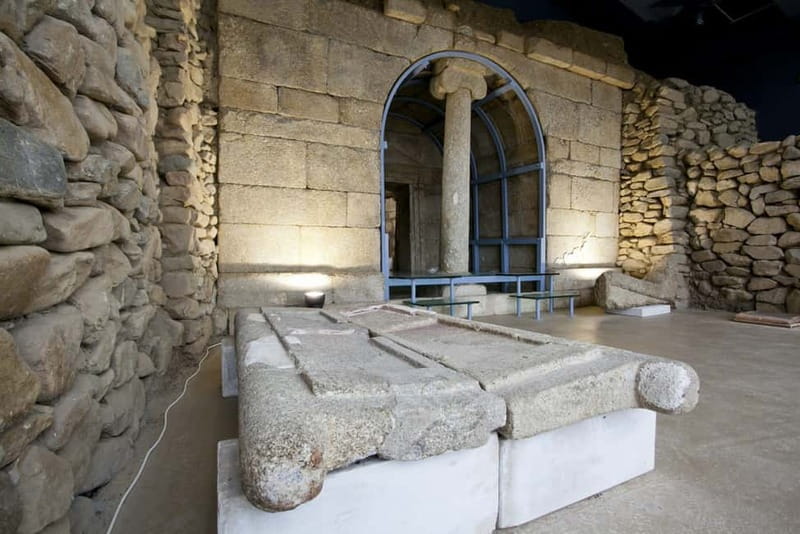
Stara Zagora occupies the site of Augusta Trayana, a Roman city founded in the 2nd century AD. It was named after Emperor Trajan and became an important center for trade and culture.
You walk along original Roman streets and see the remains of the place where the city council held meetings. These fragments help you picture Augusta Trayana as a functioning urban center, not merely a collection of ruins. Roman cities depended on roads, public institutions, homes, trade, and civic gatherings, and this stop gives you several pieces of that picture.
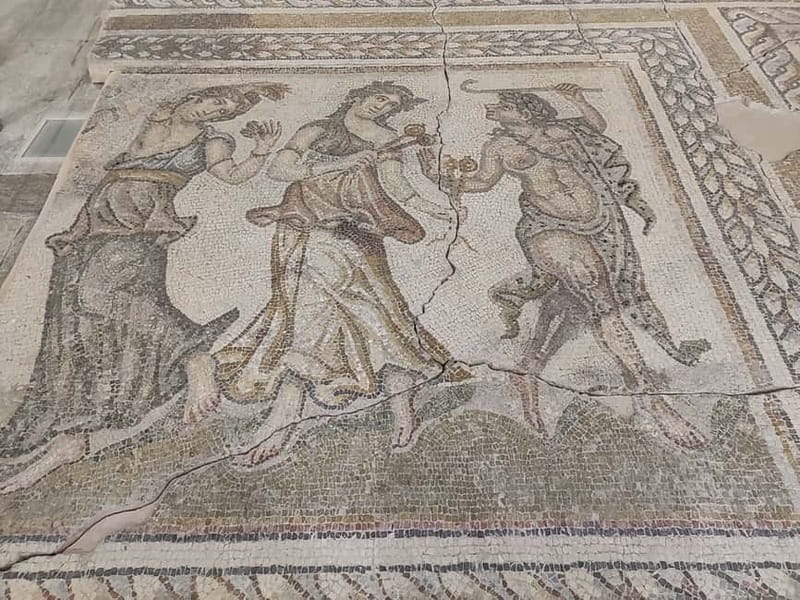
The Roman house is especially worthwhile. Its mosaics remain in very good condition and offer a more intimate view of daily life. Instead of focusing only on emperors and military victories, you see how a prosperous household may have decorated its floors and arranged its domestic space.
I like this part of the outing because it balances the tombs. The Thracian sites focus on death, ritual, and royal status. Augusta Trayana shifts the attention to city life, administration, trade, and home decoration. The contrast makes both periods easier to understand.
A guide who can explain the layers is valuable here. Without context, original paving stones can blur together. With a clear explanation, you can see how the street, civic meeting place, and Roman house fit into the operation of an ancient city.
The Museum of Religions in Eski Mosque
The Museum of Religions is located in Eski Mosque, an early 15th-century mosque described as one of the oldest mosques in the Balkans. This is one of the more unusual stops because the building itself is part of the lesson.
The museum presents the religious layers connected with Stara Zagora and the surrounding area. The setting invites you to think about how sacred spaces change meaning as societies change. You are not only looking at exhibits in a neutral gallery. You are standing inside a historic religious building with its own architectural and cultural story.
This stop also broadens the day beyond ancient Thracian and Roman history. The itinerary moves from prehistoric settlements to pagan antiquity and then to a later Islamic building used for museum interpretation. That range is a major reason to choose this outing instead of a trip focused only on the Valley of the Thracian Kings.
The mosque and museum may appeal most to people who enjoy cultural layers and religious history. If you only want spectacular ruins, it may feel quieter than the tombs or Roman mosaics. If you like understanding how cities change over time, it is a very worthwhile stop.
Returning to the Neolithic Dwellings Museum
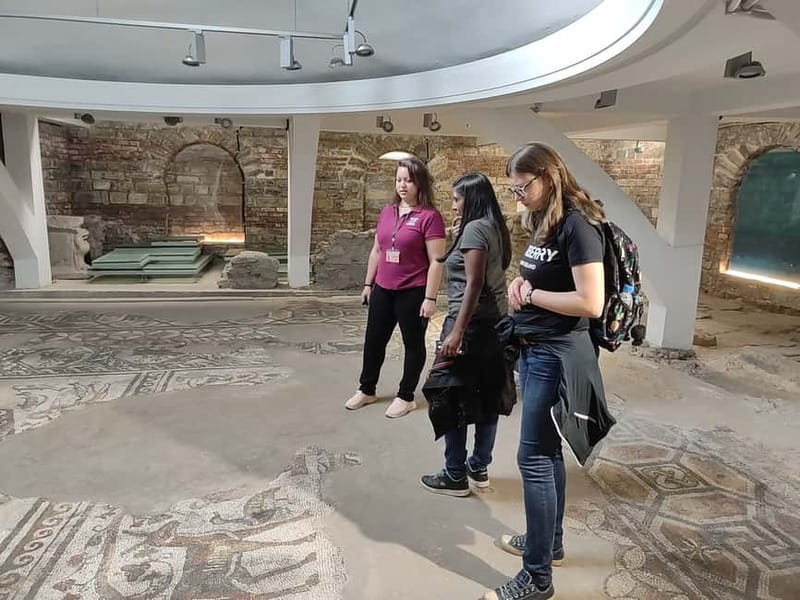
The final major visit reaches farther back than any other part of the day. The Neolithic Dwellings Museum presents the ruins of two houses from a large Neolithic settlement, dating to the 7th millennium BC.
These are not reconstructed huts placed in a park. They are archaeological remains of houses that were part of a settled community. The museum is described as preserving some of the best-preserved prehistoric buildings in Europe, and the displays include objects linked to the daily life, culture, and religious practices of Stone Age communities.
This stop gives the day a strong ending because it resets your idea of what ancient means. After seeing Roman streets and Thracian tombs, you suddenly move thousands of years earlier to a period when people were building permanent homes and shaping community life in very different ways.
Your guide explains who these people were and how they lived. You can expect the focus to be on settlement, household life, tools, objects, and belief rather than famous individuals. That makes the museum feel grounded and human.
The Neolithic site may be especially rewarding for families and anyone interested in archaeology. It also helps connect the region to a much older past than most first-time visitors expect. Bulgaria is not only a place for Roman and medieval monuments. Its recorded human story reaches back to the Stone Age.
Is $116 a fair price?
At $116 per person, this is not the cheapest way to spend a day from Plovdiv. It is a fair price if you value a qualified guide and want to reach several sites without arranging separate transport.
The price includes hotel pickup and drop-off in Plovdiv, entrance fees, and an English-speaking guide with a background in history and archaeology. Those inclusions remove several costs that can quickly add up. You do not have to work out how to connect Kazanlak with Stara Zagora, pay individual entry charges, or organize a return route after a long day.
Lunch is extra. That is easy to plan for, but it is important when comparing the total cost with a self-guided day. The tour’s value also depends on your interest in history. If you prefer slow café time, shopping, or scenic viewpoints, you may feel the schedule is too packed. If you would otherwise struggle to visit these sites independently, the price makes more sense.
The small group limit is another point in its favor. With no more than eight people, you have a better chance to ask questions and hear the guide clearly. The strongest praise has focused on the guides’ ability to combine serious historical information with an easygoing, human style.
Who should book this tour?
I would choose this day trip if you want a serious look at central Bulgaria’s archaeology and do not have a car. It suits people who enjoy museums, ancient buildings, religious history, and explanations that connect one period to another.
It also works well for a repeat visitor to Plovdiv who has already seen the city’s main Roman and medieval sights. The excursion takes you into Stara Zagora Province and gives you a different sense of Bulgaria beyond Plovdiv’s compact historic center.
Families with older children may enjoy the variety. Five tombs, Roman mosaics, a mosque museum, and prehistoric houses are easier to follow than a full day of similar ruins. Younger children may find the long drive and explanations tiring, though the small group format can make the day less rigid.
I would hesitate only if you dislike long road journeys or want consistently dramatic scenery. One account found the cities gray and the April countryside less impressive than expected. The tour is about archaeological substance, not a picture-perfect route.
The day is also a good fit for anyone who wants a guide who can adjust the emphasis. When one or two planned items could not happen, Ivo reportedly extended the time at the archaeological museum. That suggests some flexibility, though you should not assume every schedule change will be handled in the same way.
Practical details for your day
Pickup begins at 8:00 in the morning, and the total outing lasts about 10 hours. The drive to the Valley of the Thracian Kings takes roughly two hours, followed by the Kazanlak visits, the journey to Stara Zagora, lunch, Roman and religious sites, the Neolithic museum, and the return to Plovdiv.
Wear comfortable shoes. You will walk through archaeological areas and city sites, and the day is too full for impractical footwear.
The tour is conducted in English and operates as a small group of up to eight people. Hotel or accommodation pickup and drop-off are included for customers staying in Plovdiv.
You can cancel up to 24 hours before departure for a full refund, and the reserve-now, pay-later option keeps payment flexible. Check the available start time when booking, since the activity is listed as a 10-hour outing rather than a fixed daily departure beyond the stated 8:00 pickup.
Should you book it?
Book this trip if you want the most history possible in one day and appreciate a guide who can explain the connections. The combination of Thracian tombs, Roman Augusta Trayana, Eski Mosque, and Neolithic houses is unusually broad, and the included transport and entry fees make the price reasonable for a no-car visit.
Skip it if your ideal day means a short drive, dramatic mountain views, or plenty of unplanned free time. For history fans, archaeology students, curious families, and visitors ready to trade comfort for substance, this is one of the stronger full-day excursions from Plovdiv.
FAQ
How long does the tour last?
The tour lasts 10 hours, including the journey from Plovdiv to the sites and the return trip.
What time does pickup begin?
Pickup begins at 8:00 in the morning from your hotel or accommodation in Plovdiv.
Is hotel pickup included?
Yes. Pickup and drop-off at hotels or accommodations in Plovdiv are included.
How large is the group?
The tour is a small-group activity limited to eight participants.
What language is the tour conducted in?
The live tour guide speaks English.
Is lunch included in the price?
No. Lunch is not included, so you should pay for your own midday meal.
What does the $116 price include?
The price includes hotel pickup and drop-off in Plovdiv, entrance fees, and an English-speaking guide with a background in history and archaeology.
What should I bring?
Comfortable shoes are recommended because the itinerary includes walking at tombs, museums, Roman ruins, and city sites.
Just added around the world
- Agadir Morocco: Day Trip To Taroudant & Tiout Oasis with Lunch★ 4.5 · 67 reviews
- Day trip from Agadir to Massa in 4X4★ 5.0 · 31 reviews
- Day Trips from Agadir to Marrakech with Amazing guide★ 4.5 · 26 reviews
- 4WD Agadir Day Trip to Massa★ 5.0 · 39 reviews
- Agadir Day Trip To Legzira & Tiznit★ 3.5 · 20 reviews
- Murray River Day Trip from Adelaide Including Lunch Cruise aboard the Proud Mary★ 4.0 · 105 reviews
- Day Trip From Addis Ababa To Debre Libanos & Portuguese Bridge★ 4.5 · 64 reviews
- Day trip to Adadi Mariyam and Melka kunture★ 4.5 · 20 reviews
Valley and Gorge Day Trips, compared.
Loire Valley Castles Day Trip from Paris with Complementary Wine
Read our review →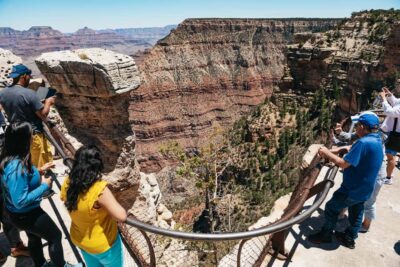
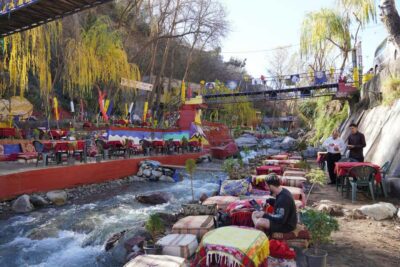
Ourika Valley Day Trip from Marrakech with Guide & Lunch
Read our review →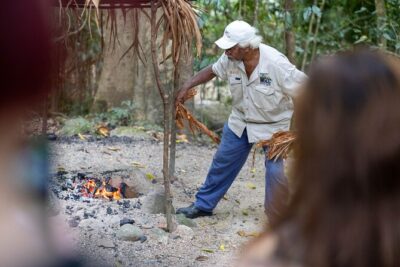
Cape Tribulation, Mossman Gorge, and Daintree Rainforest Day Trip
Read our review →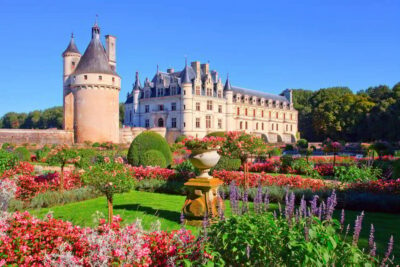
Loire Valley Castles Day Trip With Wine Tasting
Read our review →

Almaty: Charyn Canyon, Kolsay, and Kaindy Lakes Day Trip
Read our review →
Browse the lists this tour appears in