
REVIEW · TEL AVIV
From Tel Aviv: Caesarea, Haifa and Akko Day Trip
Four very different places, one long day. This tour gives you a useful first look at Israel’s northern coast, moving from Roman ruins in Caesarea to Haifa’s hillside gardens, the sea caves of Rosh Hanikra, and Acre’s old lanes. I especially like the range of sights and the fact that hotel pickup, transport, and a guide are handled for you. I also like the strong guiding, with past guides such as Aviva, Yoav, Erez, Udi, Itamar, and Lorne praised for clear explanations and good humor.
The tradeoff is time. Eleven hours sounds generous, but the route covers a large stretch of coast, and some stops are brief. You get a broad introduction rather than a slow, detailed visit. If you want to see northern Israel without renting a car, the $120 price is fair, but remember that entrance fees of about $34 per person and lunch are extra.
Key points before you book
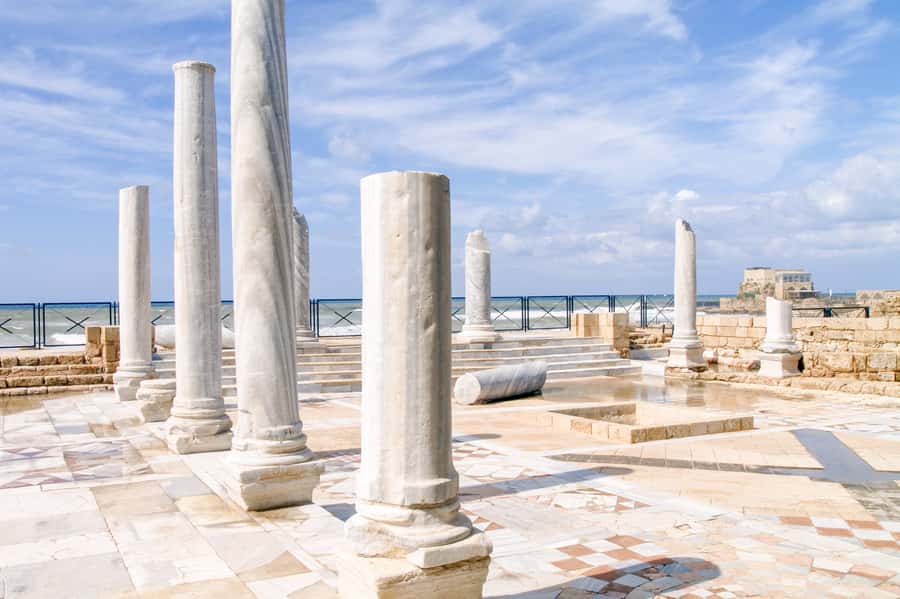
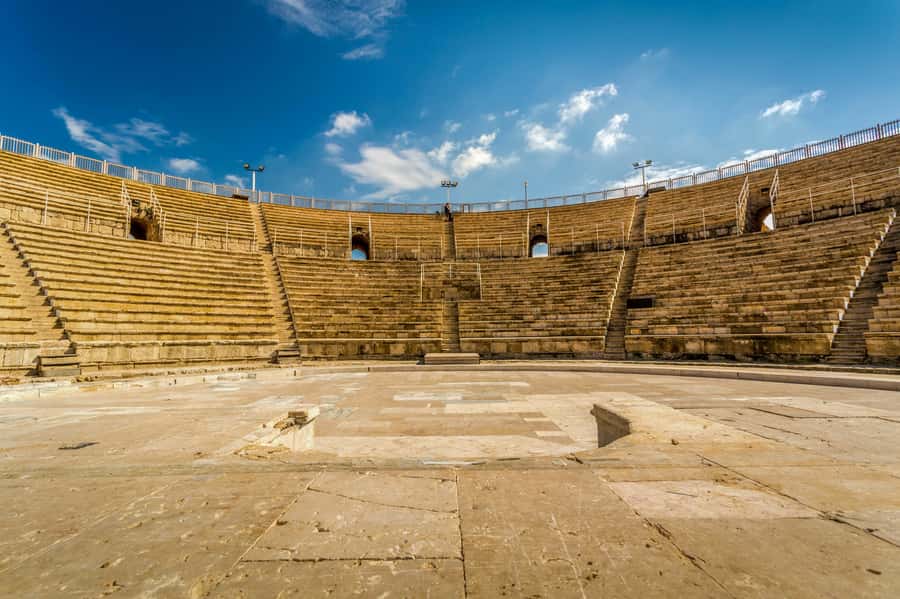
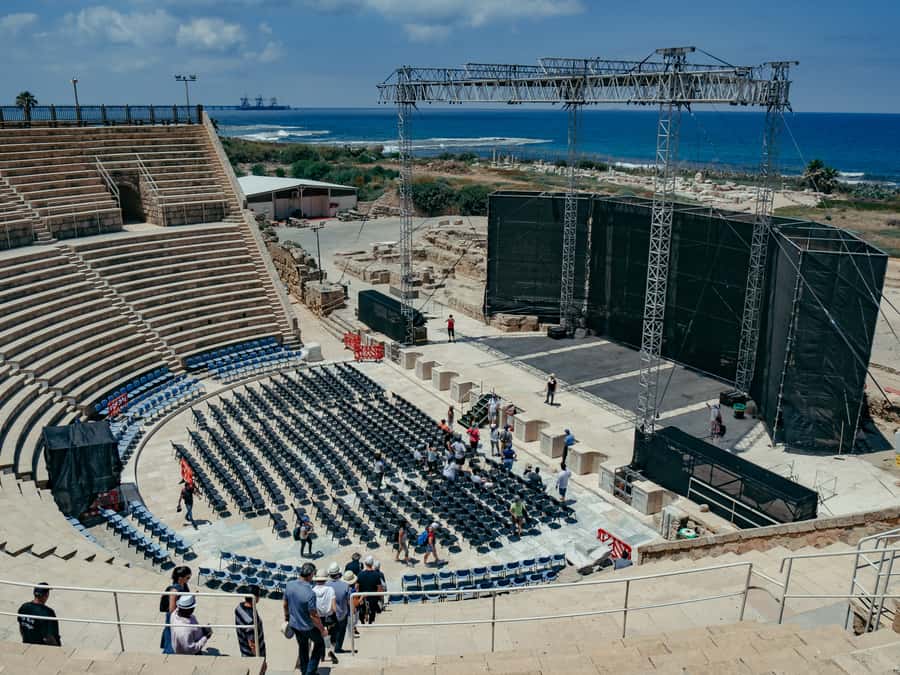
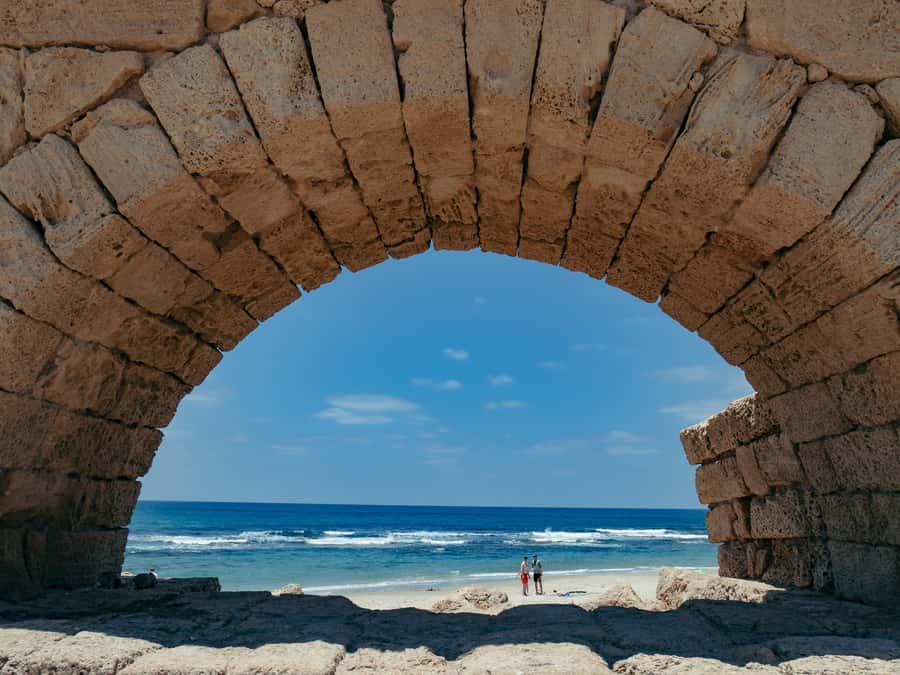
- Caesarea opens the day with Roman ruins, including an ancient amphitheater and the remains of a major port city.
- Haifa’s Baha’i Gardens are viewed from above, not visited inside, so set your expectations correctly.
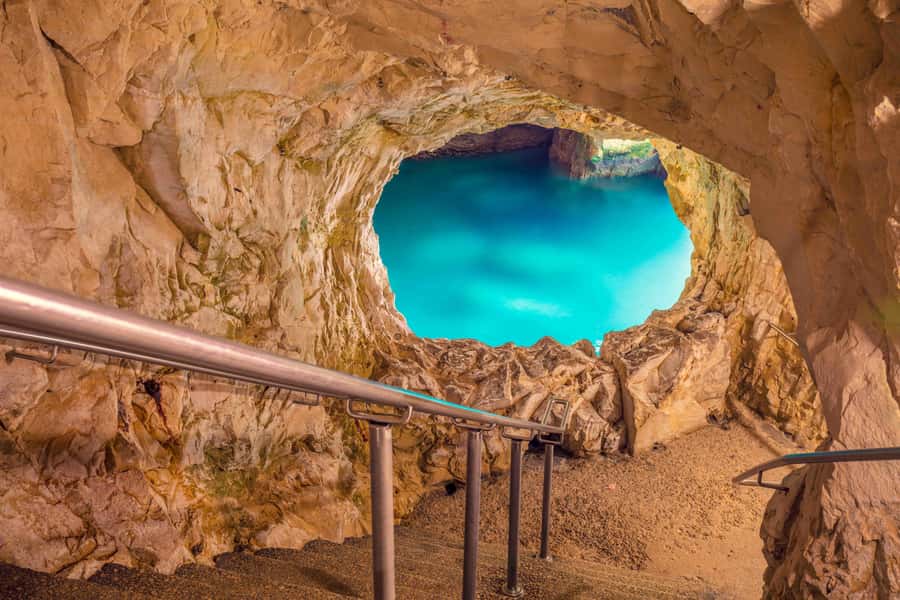
- Rosh Hanikra provides the most unusual natural stop, with limestone grottoes, white cliffs, sea spray, and a view toward Lebanon.
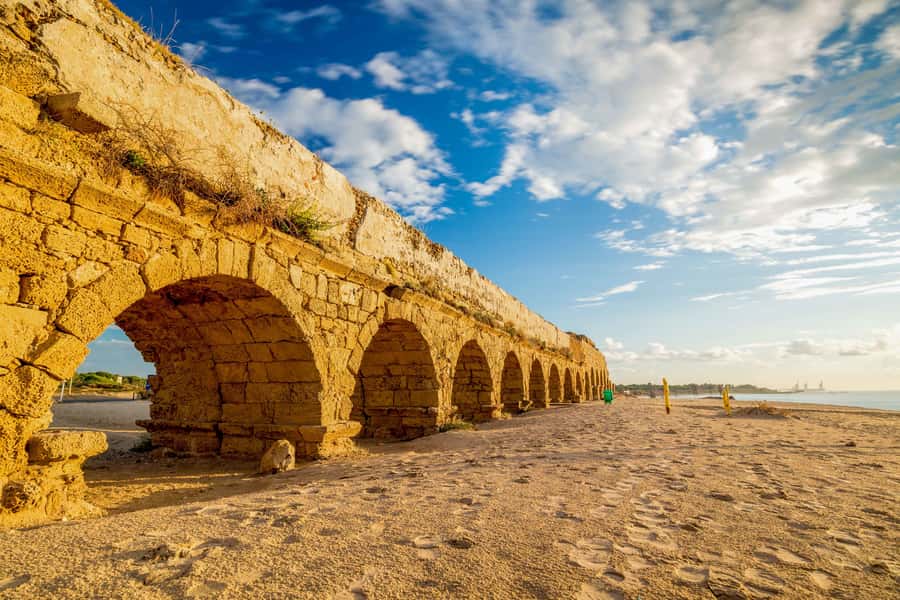
- Acre delivers the strongest old-city atmosphere, with city walls, a port, an oriental bazaar, and historic buildings.
- The day is tightly packed, which lets you see a lot but leaves limited time for wandering, especially in Haifa and Acre.
- Bring cash for lunch and small purchases, since at least one recommended lunch stop accepted cash only.
Why this coastal route works so well
This is a sightseeing day built around contrast. In the morning, you are looking at Roman stonework. Later, you are above Haifa’s carefully ordered terraces, then inside natural caves by the sea, and finally walking through Acre’s old market streets.
That variety is the main reason to choose this excursion. You do not spend the entire day at archaeological ruins or on a bus between similar towns. Each stop gives you a different piece of northern Israel.
The route also suits a first visit. A guide can explain how Greek, Roman, Byzantine, Crusader, Ottoman, Jewish, Arab, and modern Israeli stories overlap in this small coastal region. Guides are not just there to point at buildings. The best ones add the political and cultural background that helps the sites make sense.
The group travels by air-conditioned coach or minibus, depending on the departure. That matters during the hot months, when walking between exposed ruins and viewpoints can become tiring. The driver and guide also remove the need to manage unfamiliar roads, parking, and the long return to Tel Aviv.
Still, this is not a relaxed day. You will make several stops, walk on uneven surfaces, return to the vehicle, and follow a schedule. One past participant felt the day was rushed, while another wished for more time in Haifa and Acre and slightly less in Caesarea. That is a fair reading of the itinerary.
A few more day trips from Israel worth a look
- From Tel Aviv: Jerusalem and Bethlehem Guided Day Trip
★ 4.3 · 1,316 reviews - Masada and the Dead Sea Day Trip from Tel Aviv
★ 4.5 · 1,014 reviews - From Tel Aviv: Guided Day Trip to Nazareth & Sea of Galilee
★ 4.4 · 824 reviews
Caesarea: Roman stones beside the Mediterranean
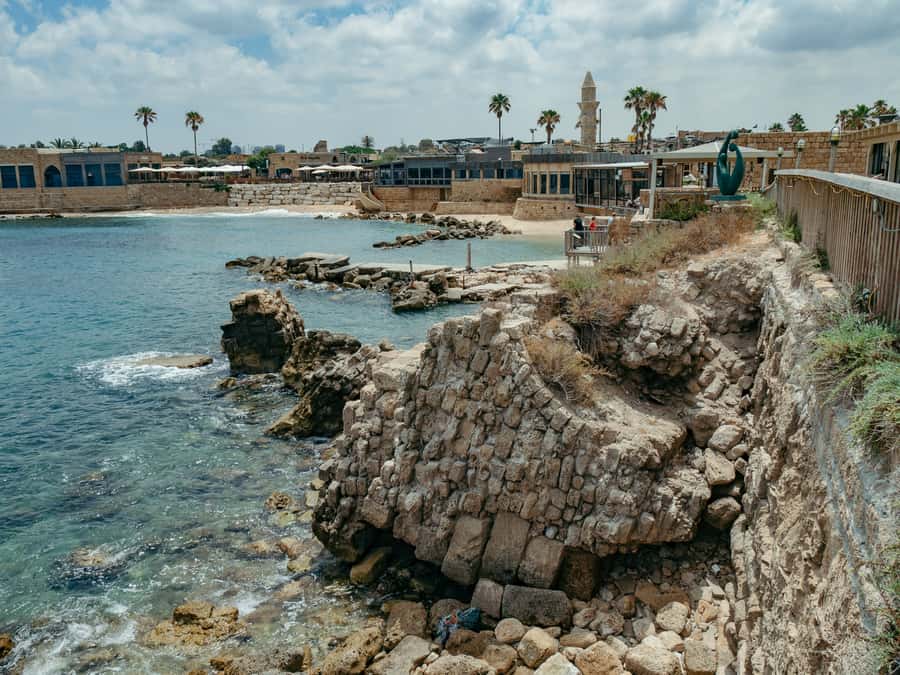
Caesarea is the first major stop, and it gives the day an impressive start. The site was once a Roman harbor city, and you can walk among ruins that show how important the settlement was in the ancient world.
The amphitheater is a key sight. It was one of the largest built during the Roman era, and its size helps you picture the public life of the city more clearly than a few scattered stones would. You are not simply viewing a ruin from a distance. You can walk through the remains and get a sense of the scale of Roman entertainment and civic building.
The harbor setting adds to the experience. Caesarea combines open sea views with archaeological remains, so it feels less like an isolated museum and more like a city whose buildings were shaped by trade and power.
Your guide is important here. Without context, Roman foundations can blur together. A good explanation of the city’s past, its rulers, and its role on the coast turns the visit into a story rather than a collection of stones. The guides on this route have often been praised for making ancient history easier to follow, using humor and memorable side stories along the way.
The drawback is that Caesarea can receive a larger share of the day than some people prefer. If you are mainly interested in the living streets of Acre or the scenery at Rosh Hanikra, you may wish for a shorter stop here. If Roman archaeology is your priority, you may instead wish for more time.
Wear shoes that can handle uneven ground, and bring sun protection. There is little reason to dress formally, but a hat, sunglasses, sunscreen, and water will make the morning easier.
Haifa and the Baha’i Gardens from above
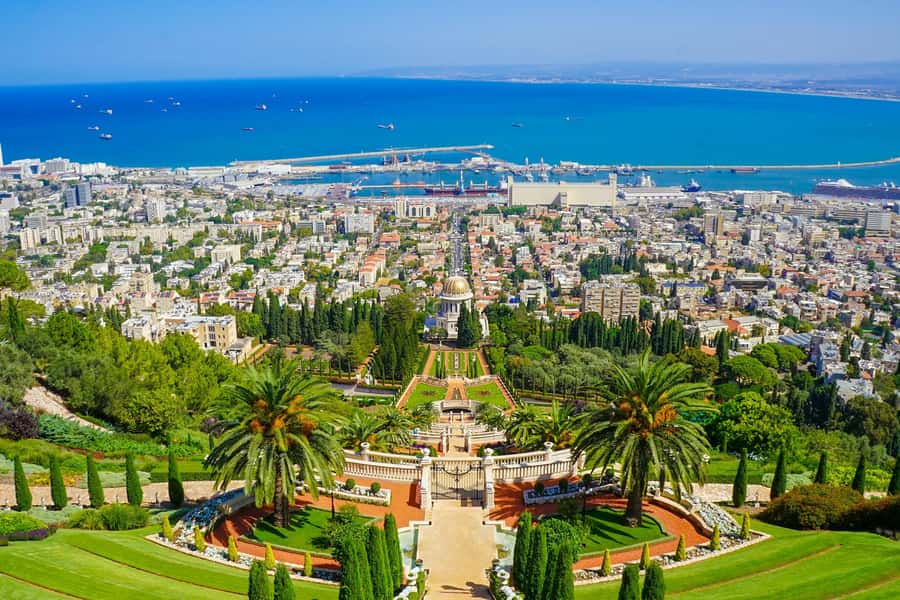
Haifa gives you a change of pace. The city climbs the slopes of Mount Carmel, and the Baha’i Gardens are arranged in long, precise terraces down the hillside.
The usual visit on this tour is a viewpoint above the gardens. You can photograph the symmetrical terraces and see how the city drops toward the sea. The view is striking because the gardens are so carefully ordered, with a strong central axis and repeated lines that contrast with the dense city around them.
Be clear about what is included. This tour does not include an interior visit to the Baha’i Gardens. You view them from above. One itinerary description also refers to seeing them from the bottom, but the important practical point is that a full garden entry is not part of the excursion. Access inside requires a separate visit arranged with a Baha’i guide.
This is one of the stops most likely to feel short. Some departures spend only around 15 minutes at the viewpoint, which is enough for photographs and a quick explanation but not enough for a long city visit. If Haifa is especially important to you, a separate half-day visit would give you a better chance to explore the city and gardens at a calmer pace.
I like this stop as a visual pause between the ruins of Caesarea and the caves at Rosh Hanikra. You do not need a long walk to understand the basic shape of Haifa, and the elevated view helps you see the relationship between mountain, city, and sea.
Rosh Hanikra: waves inside the limestone grottoes
Rosh Hanikra is likely to be the day’s most memorable natural sight. Here, white chalk cliffs meet the Mediterranean, and waves have cut openings and grottoes into the rock.
The experience is visual and immediate. You look into the caves as the water moves through them, with the sound of the waves echoing against the stone. The white cliffs and open sea also create a strong contrast with the dark interiors of the grottoes.
The area sits at Israel’s northern edge, and you can look toward the border with Lebanon from the cliffs. That detail gives the viewpoint more meaning than a standard coastal photo stop. Your guide can place the border and the surrounding region in context while you take in the view.
The grottoes offer some shade, which is welcome in hot weather. Even so, bring water, a hat, and sunscreen for the exposed areas outside. Comfortable shoes matter here as well, since you will be walking around a coastal attraction rather than simply stepping off the coach for a roadside photograph.
Rosh Hanikra also brings an entrance charge, and the total admission cost for the day is about $34 per person, paid directly on site. Since fees can affect the real cost of the excursion, include them when comparing this trip with independent transport.
This stop is less satisfying if rough weather limits visibility or access, but the itinerary is built around the grottoes because they provide something you will not see at the other destinations. Several guides have been praised for allowing enough time for photos, though the overall day remains governed by the clock.
Same base, a completely different day out:
- Masada and the Dead Sea Day Trip from Jerusalem
★ 4.5 · 757 reviews - Nazareth and the Sea of Galilee Day Trip from Jerusalem
★ 4.5 · 446 reviews - From Jerusalem: Dead Sea Chill Out Half-Day Trip
★ 4.7 · 165 reviews - From Tel Aviv: Jerusalem Day Trip with Transfer
★ 4.1 · 118 reviews
Acre: the best place to wander
Acre, also called Akko or Acra, is where the tour shifts from open views and ruins to streets with a lived-in feel. The Old City is enclosed by substantial walls and includes a port, historic buildings, and an oriental bazaar.
The bazaar is a good place to slow down, even if only briefly. You can walk through narrow lanes, look at shopfronts, and see how the old city functions as more than an archaeological site. That everyday character gives Acre an edge over attractions that are preserved only for display.
The city also carries layers from several periods. Your guide may discuss Greek, Byzantine, Crusader, and Ottoman connections as you move through the streets. The point is not to memorize every ruling power. It is to understand why Acre looks and feels like a city built, rebuilt, defended, traded through, and inhabited across centuries.
The old city is also where the schedule can feel most frustrating. Acre deserves time, and the tour reaches it after a full day of earlier stops. One departure had too little time for the old city, while another included lunch followed by a visit to the Templar castle and bazaar. What you see can depend on traffic, the group’s pace, and the day’s operating schedule.
Lunch is usually arranged at a local restaurant in or near Acre. Past meal arrangements have included hummus, chicken or falafel, vegetables, fries, bread, and drinks, with reported prices around 50 to 60 shekels. Do not assume lunch is included in the tour price. Bring cash, since at least one recommended restaurant did not accept cards and required a visit to an ATM.
If you want to shop, eat slowly, or study the old buildings, carry extra money and accept that the meal stop may take time from exploring. If your priority is simply seeing Acre’s main sights, the organized lunch can save you the trouble of choosing a restaurant during a busy day.
Guides make or break a packed schedule
The strongest part of this experience is the guiding. Names praised in past departures include Aviva, Yoav, Udi, Erez, Itamar, Lorne, Yuval, Avi, Riki, and Norbert. The consistent pattern is clear: good guides explain the region well, answer questions, keep the group together, and use humor to make a long day easier.
That matters because the tour covers history from antiquity to current politics. A guide can connect a Roman harbor to modern Israel, explain why Haifa’s gardens matter, and point out the significance of the northern border without making every stop feel like a lecture.
Language options include English, Spanish, French, and German. Check the confirmed departure details carefully, because a tour may be bilingual. One English-speaking participant did not expect a Spanish and English departure and found that useful to know in advance.
The guide also helps with practical details. Pickup times and hotels can change, and the final confirmation email supplies the exact information. Read it closely. If it does not arrive, contact the provider before the morning of the tour.
The real cost and value of the day
The advertised price is $120 per person. Add approximately $34 for entrance fees, then budget separately for lunch, drinks, souvenirs, and tips. That makes the actual day more expensive than the headline rate.
Even so, the value is reasonable if you would otherwise need to arrange a rental car, fuel, parking, navigation, and four separate visits. You also receive hotel pickup and drop-off, an air-conditioned vehicle, and a professional guide. For a visitor based in Tel Aviv, the convenience is a major part of what you are paying for.
The value is weaker if you want long, independent visits at each location. A rental car or separate overnight stay in the north would give you more control, especially in Acre and Haifa. This excursion is best understood as a broad introduction, not the final word on Israel’s northern coast.
Pickup is available from Tel Aviv, Herzliya, and Netanya, with the final hotel and time confirmed by email. The day lasts about 11 hours, so expect an early start and an evening return. Free cancellation is available up to 24 hours before departure, and you can reserve while delaying payment, which helps if your wider Israel plans are still changing.
The tour is not suitable for children under four or wheelchair users. The walking surfaces, pace, and repeated boarding of the coach make comfortable shoes especially important.
Who should book this tour?

I would choose this day trip if you are staying in Tel Aviv and want to see northern Israel without handling transport. It works especially well for first-time visitors, history fans who like variety, and anyone who prefers a guide to explain the political and cultural setting.
I would hesitate if your main goal is a slow visit to Haifa’s gardens or a full exploration of Acre’s Old City. You will see both, but the schedule gives you a taste rather than hours of free wandering.
Book it if you value range, organization, and strong storytelling. Skip it if you dislike early starts, fixed schedules, or extra entrance and meal costs. For most people, the day’s best moments will be the Roman setting at Caesarea, the sea caves at Rosh Hanikra, and Acre’s old streets, with the quality of the guide tying the whole route together.
FAQ
How long does the tour last?
The tour lasts approximately 11 hours, including transportation, sightseeing stops, and hotel pickup and drop-off.
Where does the tour depart from?
Pickup is available from Tel Aviv, Herzliya, and Netanya. The exact pickup hotel and time are sent by the activity provider in the confirmation email.
What destinations are included?
The route includes Caesarea, Haifa, Rosh Hanikra, and Acre, also called Akko or Acra.
Can I enter the Baha’i Gardens?
No. Entry to the Baha’i Gardens is not included. You view the gardens from above, and a full visit requires a separate arrangement with a Baha’i guide.
Are entrance fees included?
No. Entrance fees are paid directly on site and cost approximately $34 per person.
Is lunch included?
No. Food and drinks are not included. Lunch is generally arranged at a local restaurant, so bring money for the meal.
What languages are available?
Live guiding is available in Spanish, English, French, and German. Some departures may be bilingual.
What should I bring?
Bring comfortable walking shoes, sunglasses, a sun hat, sunscreen, water, and cash for lunch or purchases.
Is the tour suitable for children or wheelchair users?
The tour is not suitable for children under four or for wheelchair users.
Just added around Israel
- From Jerusalem: Masada Sunrise, Ein Gedi & Dead Sea Day Trip★ 3.9 · 67 reviews
- Caesarea, Haifa & Akko Day Trip from Jerusalem★ 4.3 · 96 reviews
- Dead Sea Full-Day Trip from Tel Aviv★ 4.2 · 65 reviews
- From Tel Aviv: Jerusalem Day Trip with Transfer★ 4.1 · 118 reviews
- From Tel Aviv: Dead Sea Self-Guided Chill-Out Day Trip★ 4.2 · 64 reviews
- From Haifa: Guided Day Trip to Nazareth and Sea of Galilee★ 3.9 · 51 reviews
- From Ashdod Port: Masada and Dead Sea Guided Day Trip★ 4.4 · 54 reviews
- From Ashdod Port: Jerusalem and Bethlehem Day Trip★ 4.0 · 111 reviews
Day Trips from Tel Aviv, compared.
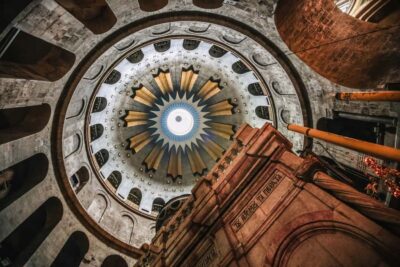
From Tel Aviv: Jerusalem and Bethlehem Guided Day Trip
Read our review →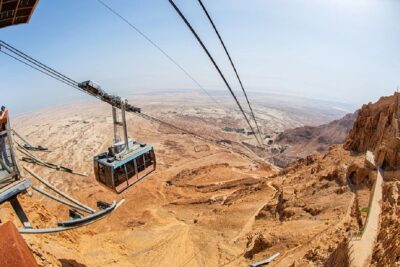
Masada and the Dead Sea Day Trip from Tel Aviv
Read our review →
From Tel Aviv: Guided Day Trip to Nazareth & Sea of Galilee
Read our review →
From Tel Aviv: Jerusalem Day Trip with Transfer
Read our review →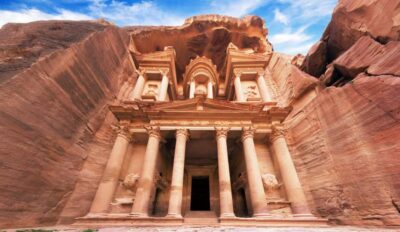
From Tel Aviv: Full-Day Trip to Petra with Roundtrip Flights
Read our review →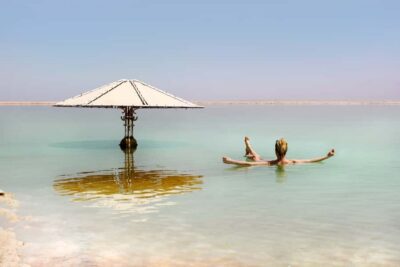
From Tel Aviv: Dead Sea Self-Guided Chill-Out Day Trip
Read our review →Browse the lists this tour appears in