
REVIEW · GREECE
From Thessaloniki: Aigai Royal Tombs & Pella Museum Day Trip
Ancient Macedonia comes alive here. This five-hour trip from Thessaloniki links Aigai’s royal tombs with Pella, the former Macedonian capital, and I like the strong pairing: one stop focuses on royal burial treasures, the other on city life under Philip II and Alexander the Great. I also like the small-group format, private pickup, and the chance to travel with an English-speaking driver-assistant such as Alexandros, whose storytelling has earned especially warm praise.
The main drawback is time. About 80 minutes at Aigai, one hour at the Pella Museum, and 30 minutes at the archaeological site give you a useful introduction, but not enough time to study every display. Add the separate entrance fees, €12 for Aigai and €8 for Pella, and the $129 price requires you to value door-to-door transport and personal guiding.
Key points to know before booking
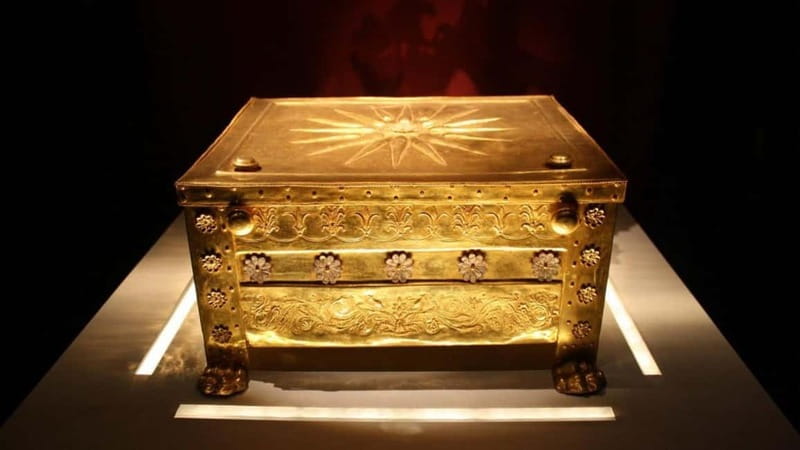
- Philip II’s gold burial treasures: Aigai contains the famous tomb attributed to Philip II, father of Alexander the Great, along with a gold chest, oak wreath, armor, and other royal objects.
- Two sides of Macedonian life: Aigai presents the ruling family and its burial customs, while Pella helps you picture streets, homes, public spaces, and daily life.
- Alexandros is a major part of the experience: He is praised for clear English, safe driving, passion for Macedonian history, and lively stories about Alexander and Philip.
- Five hours means a brisk visit: You get enough time for the key sights, but you should keep moving, especially inside the Pella Museum.
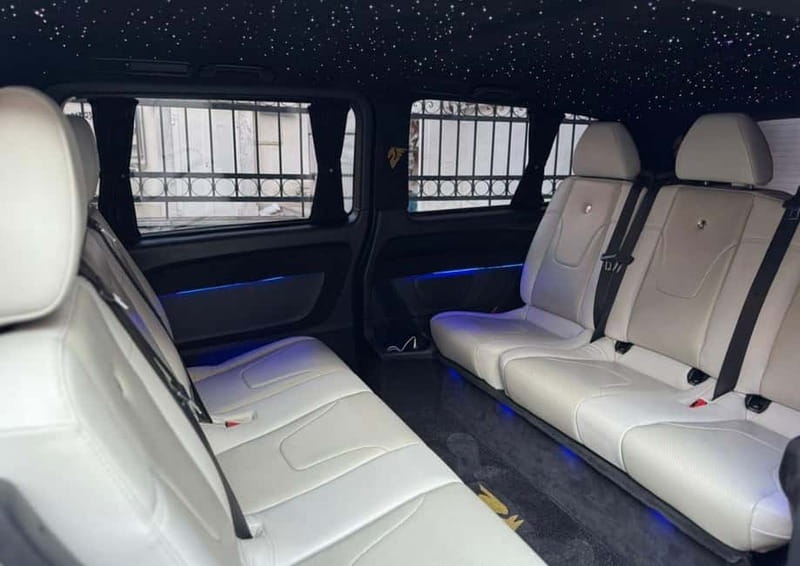
- Easy pickup from Thessaloniki: A private car or van collects you from any location in the city, with groups limited to eight people.
- Budget an extra €20 for admission: Entrance to both sites is not included in the advertised price.
Why this Macedonian history trip works

I like this outing because it connects two places that are often treated as separate stops. Aigai shows you the power and ceremony of the Macedonian royal family. Pella shows you the capital they built and used. Together, they give you a clearer picture than either site alone.
The trip follows the national road from Thessaloniki toward Vergina, the modern village associated with Aigai. The ride is part of the lesson. A good guide can explain how the Macedonian kingdom changed its center of power, how Philip II strengthened the state, and how Alexander later carried its armies far beyond Greece.
The tour is described as five hours, though actual outings can run closer to five or six hours. Road conditions, opening times, traffic, and detours can affect the day. One recent outing took longer because of farmer protests and blocked roads, with the driver routing around the disruption. That kind of problem is outside the operator’s control, but you should avoid scheduling a tight flight, ferry, or dinner reservation afterward.
The vehicle is a practical advantage. You do not need to arrange separate transport to two archaeological areas outside Thessaloniki, and you can ask questions throughout the drive. The group limit of eight keeps the day more personal than a large coach excursion. If only two or three people book, the experience may feel nearly private.
More museum visits in Greece:
- From Athens: Small-Group Delphi, Museum & Arachova Day Trip
★ 4.8 · 2,476 reviews - Premium Delphi Day Trip with an Expert Guide, Museum & Lunch
★ 4.5 · 1,100 reviews - NYC: Empire State Building Tickets – Observatory & Museum
★ 4.7 · 25,757 reviews
Aigai and the royal tombs at Vergina
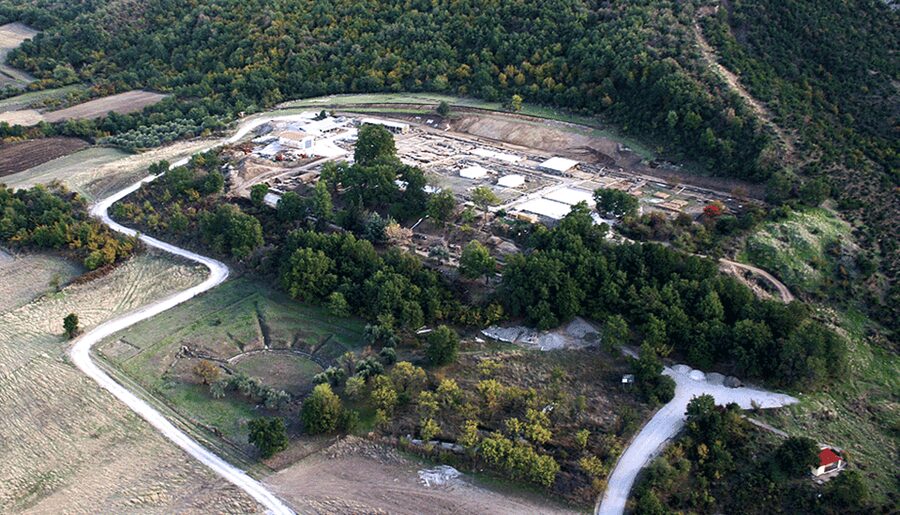
The first major stop is the Museum of the Royal Tombs of Aigai, near Vergina. Aigai was the first capital of ancient Macedonia until the royal center moved to Pella around 400 BC. It was also the burial place associated with Macedonian kings.
The site became famous after archaeologist Manolis Andronicos and his team uncovered the royal tombs in 1977 and 1978. The discovery changed the way scholars and the public understood Macedonian court life. You are not simply looking at another ancient burial ground. You are entering a purpose-built underground museum created around the tombs themselves.
The centerpiece is the tomb attributed to Philip II, the father of Alexander the Great. Inside, you can see objects associated with royal power and funeral ceremony, including a gold chest containing the king’s bones. The bones were washed with wine and wrapped in purple cloth, according to the account presented at the site.
The collection is especially striking for its metalwork. Look for:
- A shield decorated with ivory and gold
- A gold-trimmed iron breastplate
- Gold diadems
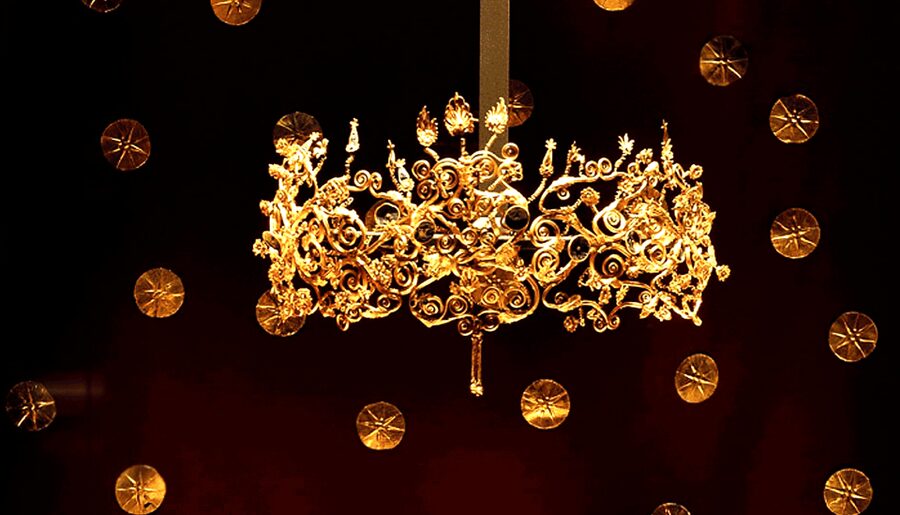
- A golden wreath made from oak leaves
- A gold-plated collar
- Silver burial urns
The famous oak wreath is small in size but huge in importance. It gives you a close look at the skill of ancient Macedonian metalworkers, while also showing how elite symbols borrowed from nature and religion.
The underground setting changes the mood. The low light and enclosed rooms suit a royal tomb better than a bright, open gallery would. You can take in the objects at close range, then move through the tomb architecture and video presentations. The museum is modern and carefully arranged, yet the tombs remain the focus.
Plan on roughly an hour to 80 minutes here. That is enough to see the principal objects, watch the presentations, and listen to a guide’s explanation. It is not enough for a slow study of every item. If ancient goldwork and funerary customs are your main interest, you may wish the schedule allowed longer.
The entrance fee is €12 and is paid separately. Comfortable shoes are useful, though the visit is mainly indoors. Your guide may explain disputed points about the tombs and the identity of the people buried there, but the official presentation remains the foundation of the visit.
Pella Museum: from royal court to everyday life

The route then continues to Pella, about 45 kilometers from Thessaloniki. Pella became the capital of ancient Macedonia and is closely tied to Philip II and Alexander the Great. If Aigai feels like a royal vault, Pella feels more like a city you can begin to picture.
The Archaeological Museum of Pella is your main stop, with about one hour inside. The collection helps you understand the people who lived in the capital, not just the rulers who governed it. Displays from the city explain architecture, public life, domestic spaces, burial customs, and artistic production.
The museum is spread over several floors, so time matters. You can get through the main exhibits in 45 to 60 minutes, but you will not examine every display in detail. I suggest listening to the guide’s introduction first, then returning to the objects that interest you most. Wandering without a plan can eat up the whole hour.
Pella is also a good place to put Alexander’s story in context. He was not an isolated heroic figure appearing from nowhere. He grew up within a royal family, a military state, and a capital shaped by Macedonian politics. The museum helps connect the famous name to the institutions and people around him.
Alexandros, the driver-assistant most often praised in the supplied feedback, is particularly well suited to this part of the day. His explanations reportedly include both established history and his own theories about political struggles and archaeological questions. That can make the visit more engaging, though you should distinguish interpretation from settled evidence when discussing ancient events.
Walking through the archaeological site of Pella
After the museum, you spend about 30 minutes at the archaeological site itself. This is a shorter visit, but it matters because it lets you see the city plan rather than only its objects.
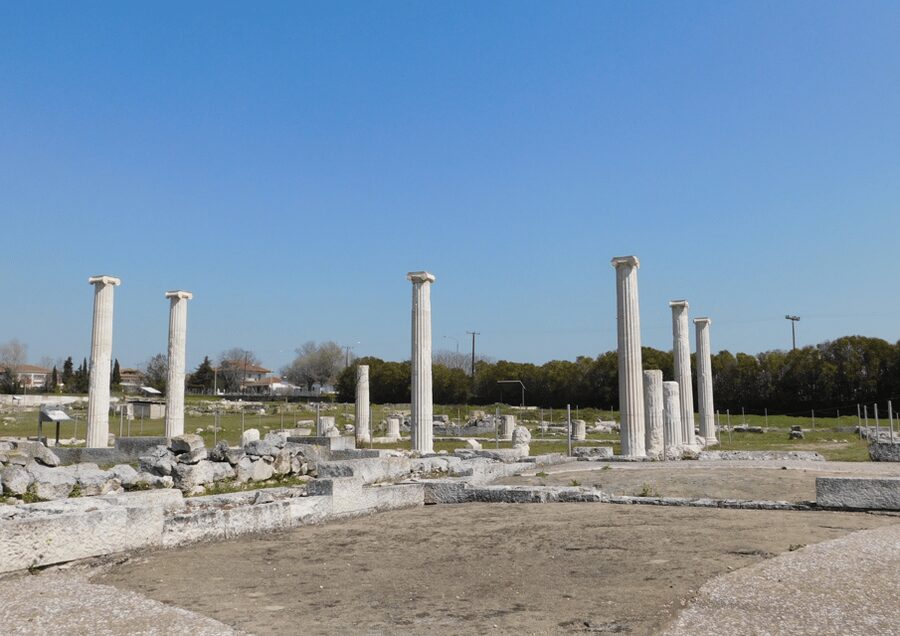
You can walk along the excavated remains and get a feel for the scale and organization of the Macedonian capital. The site helps explain ancient daily life through its layout, public areas, and surviving foundations. It also gives the museum displays a physical setting.
Do not expect a fully rebuilt ancient city. You will see ruins and open areas, not intact streets lined with standing buildings. The experience depends on using your imagination and on the explanations provided during the walk.
One useful tip is to keep moving toward the more distant remains if time allows. A recent schedule allowed around 45 minutes, which was enough to reach the ruins of the Temple of the Mother of the Gods, but only if the walk began promptly. If you stay near the entrance and the closest part of the agora, half an hour is more comfortable.
Wear shoes suitable for walking on unpaved paths. In warm weather, bring sun protection. One person specifically advised dressing for walking in the sun and along rougher paths. The combination of outdoor ruins and indoor museums makes this a good day for practical clothing rather than polished city wear.
A few more day trips from Greece worth a look
- Athens: Cape Sounion & Poseidon Temple Sunset Half-Day Trip
★ 4.8 · 8,241 reviews - Athens: Meteora Monasteries Day Trip with Caves and Lunch
★ 4.7 · 4,670 reviews - Crete: Day Trip to Agios Nikolaos and Spinalonga Island
★ 4.6 · 4,416 reviews - Santorini: Luxury Catamaran Day Trip with Meal and Open Bar
★ 4.8 · 3,678 reviews
The guide and the road between sites
The driver-assistant can make or break a short archaeology trip. Here, Alexandros is repeatedly praised for his passion for Macedonian history, his English, his safe driving, and his willingness to answer questions. He is described as more than someone who simply points out the entrance and waits in the car.
That matters because the sites contain plenty of information, but not every connection is obvious. On the road, you can ask about Philip’s rise, Alexander’s campaigns, ancient Macedonian politics, mythology, and modern Greek culture. The drive becomes useful time instead of empty transfer time.
The guide’s style appears flexible. On one occasion, when the museums opened later than expected, he used the time to show the group parts of old Thessaloniki and explain local history. Another group received an extra stop on request. These are good signs if you prefer conversation and adjustment over a fixed script.
Still, this is not necessarily a full licensed archaeological guiding service at every interior display. The activity describes an English-speaking driver-assistant, so confirm the exact guiding arrangement if you want formal, room-by-room museum interpretation. The strongest benefit is the personal context and practical help throughout the day.
Pickup is included from any location in Thessaloniki, using a private car or van. The group size is capped at eight, and the experience is wheelchair accessible according to the activity details. Actual ease at the outdoor ruins can depend on the paths and the individual’s mobility, so discuss specific needs before departure.
Timing, cost, and what you receive
The advertised price is $129 per person. That includes private pickup and drop-off in Thessaloniki, meet and greet service, the English-speaking driver-assistant, a bottle of water, and all listed taxes and fees.
The two admission charges are extra:
- Aigai Royal Tombs: €12
- Pella Museum and archaeological site: €8
That brings the known admission cost to €20 per person on top of the tour price. Lunch is also not included. The total is not the cheapest way to reach Vergina and Pella, especially for someone comfortable with public transport and independent sightseeing.
I think the value improves if you are traveling with a small party, want hotel pickup, or prefer not to manage two out-of-town sites yourself. You are paying for transport, route planning, a compact schedule, and access to a guide who can connect the places. A large group coach may cost less, but it will likely offer less flexibility and less direct conversation.
Five hours is efficient, not leisurely. You receive about 80 minutes at Aigai, an hour at the Pella Museum, and 30 minutes at the ruins. Lunch is not built into the schedule, so plan accordingly and ask about the day’s timing before setting out.
The operator allows free cancellation up to 24 hours before departure, and you can reserve while paying later. Starting times depend on availability. These policies are useful if your Thessaloniki plans may shift.
Who should book this outing?
I would recommend it most strongly to anyone interested in ancient Macedonia, Alexander the Great, Philip II, archaeology, or Greek political history. It is also a good choice if you have only a short stay in Thessaloniki and want to reach two major sites without renting a car.
Families with older children may appreciate the short ride between stops and the clear story linking the sites. The gold objects at Aigai can hold a child’s attention better than a long sequence of broken columns, while Pella gives more space to discuss how people lived.
You should think twice if you want a slow museum day. The Pella Museum deserves more than an hour for a careful visit, and the outdoor site can reward extra walking. Independent visitors who need long periods for photography or detailed study may find the schedule tight.
The tour also suits people who value a human guide. Alexandros receives especially strong praise for his enthusiasm and personal explanations, but the experience will be less useful if you prefer silent sightseeing and strict independence.
Final call: Is Aigai and Pella worth the $129?
Yes, if you want an efficient, guided introduction to ancient Macedonia from Thessaloniki. The royal tombs at Aigai provide the emotional high point, with Philip II’s burial objects and the remarkable gold collection. Pella then adds the wider setting, showing you the capital and the society behind the royal names.
Book it if private pickup, a small group, and a strong history-focused guide matter to you. Skip it if you want a relaxed full-day archaeological study or need to keep costs as low as possible. Either way, reserve time after the tour rather than scheduling something immovable, keep €20 per person ready for admissions, and arrive prepared to walk at a brisk pace.
FAQ
How long does the tour last?
The stated duration is five hours, including pickup from Thessaloniki, visits to Aigai and Pella, and return to Thessaloniki. Actual outings may last five to six hours depending on traffic, road conditions, and site timing.
What sites are included?
The tour includes the Museum of the Royal Tombs of Aigai in Vergina, the Archaeological Museum of Pella, and the Archaeological Site of Pella.
Are entrance tickets included?
No. Admission to the Royal Tombs of Aigai costs €12, while entry to the Archaeological Museum and Archaeological Site of Pella costs €8. Lunch is also not included.
Is pickup included?
Yes. Pickup and drop-off are provided from any location in Thessaloniki by private car or van.
How many people can join the tour?
The activity is described as a small-group experience limited to eight participants. If fewer people book, the outing may feel close to private.
Is the tour wheelchair accessible?
The activity is listed as wheelchair accessible. Since Pella includes an outdoor archaeological site, you should confirm the specific access arrangements for your mobility needs before booking.
Just added around Greece
- Thessaloniki: Kavala, Philippi, and Beach Full Day Trip★ 4.8 · 85 reviews
- From Mykonos: Full-Day Trip to Tinos Island★ 4.1 · 51 reviews
- From Skiathos Marina: Yacht Sailing Day Trip with Lunch★ 4.8 · 180 reviews
- Skiathos: Wooden Sailboat Full- or Half-Day Trip with Meal★ 5.0 · 88 reviews
- Santorini: Mythical Day Trip to Akrotiri with Volcano Cruise★ 3.8 · 23 reviews
- Rhodes: Lindos Village Day Trip★ 4.6 · 34 reviews
- Rhodes: Day Trip to Symi Island by Fast Boat★ 4.6 · 292 reviews
- Rethymnon:Day Trip to Spinalonga, Agios Nikolaos and Elounda★ 4.2 · 21 reviews
Day Trips from Greece, compared.
Meteora Monasteries Day Trip with Caves and Lunch
Read our review →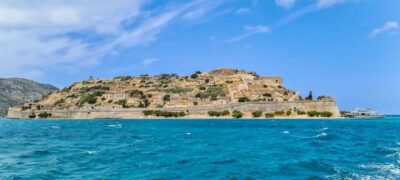
Crete: Day Trip to Agios Nikolaos and Spinalonga Island
Read our review →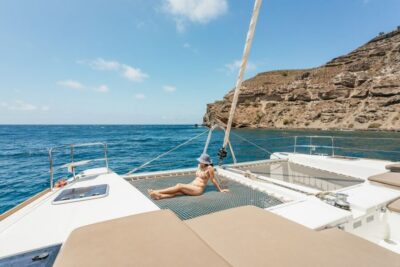
Santorini: Luxury Catamaran Day Trip with Meal and Open Bar
Read our review →
Santorini: Top Sights Day Trip, Wine Tasting, & Oia Sunset
Read our review →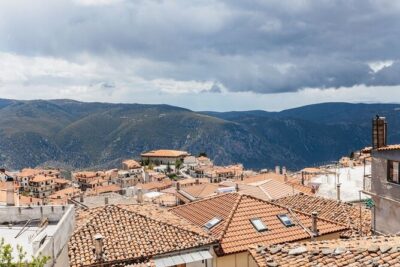
Small-Group Delphi, Museum & Arachova Day Trip
Read our review →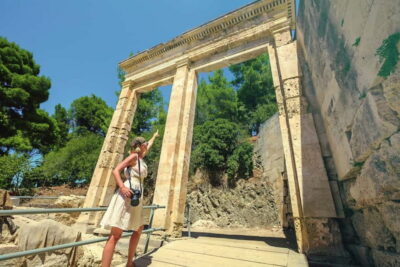
Delphi English Day Trip from Athens with Official Guide
Read our review →
Browse the lists this tour appears in